Discover Myanmar's
Attraction
Discover Myanmar's
Attraction
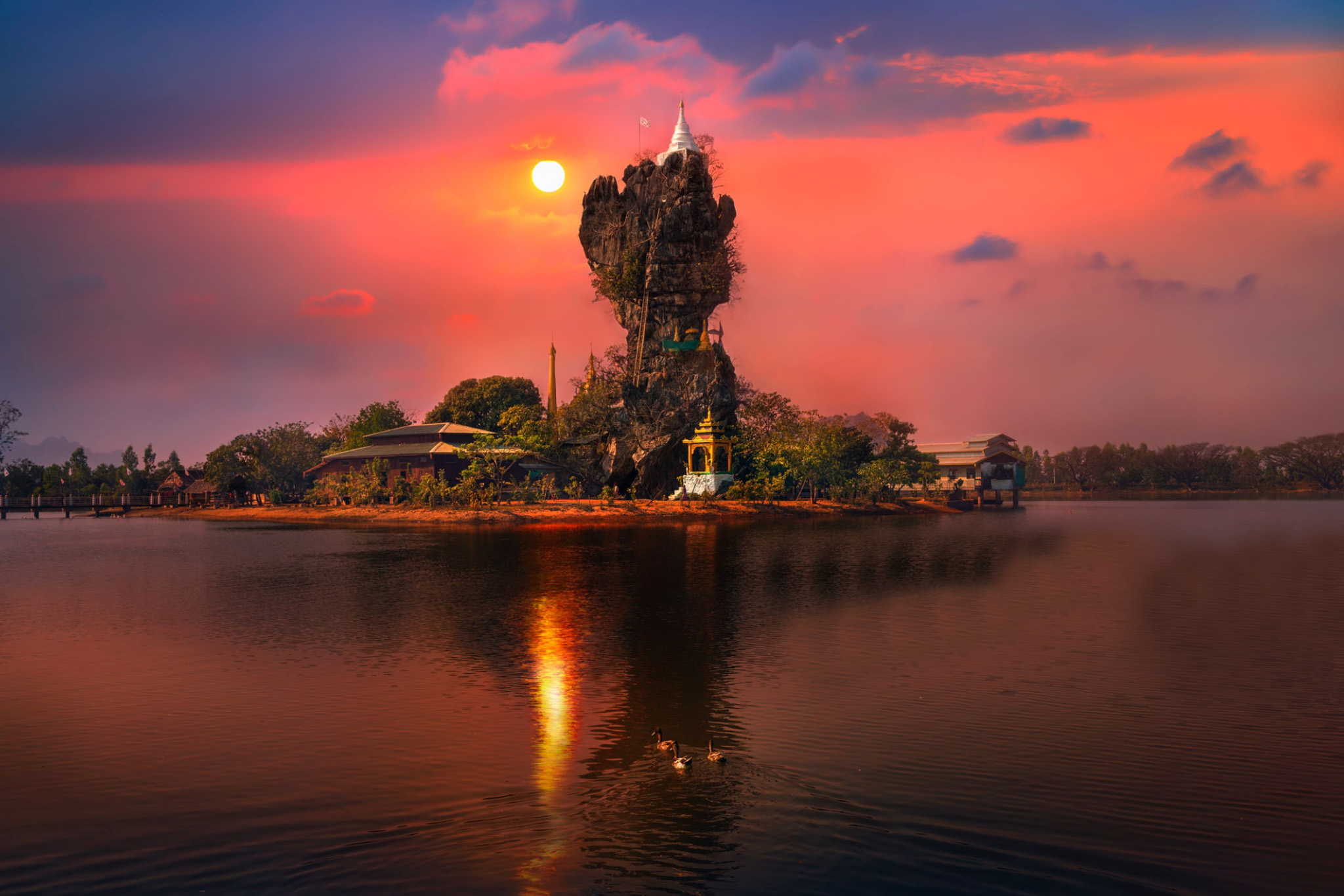
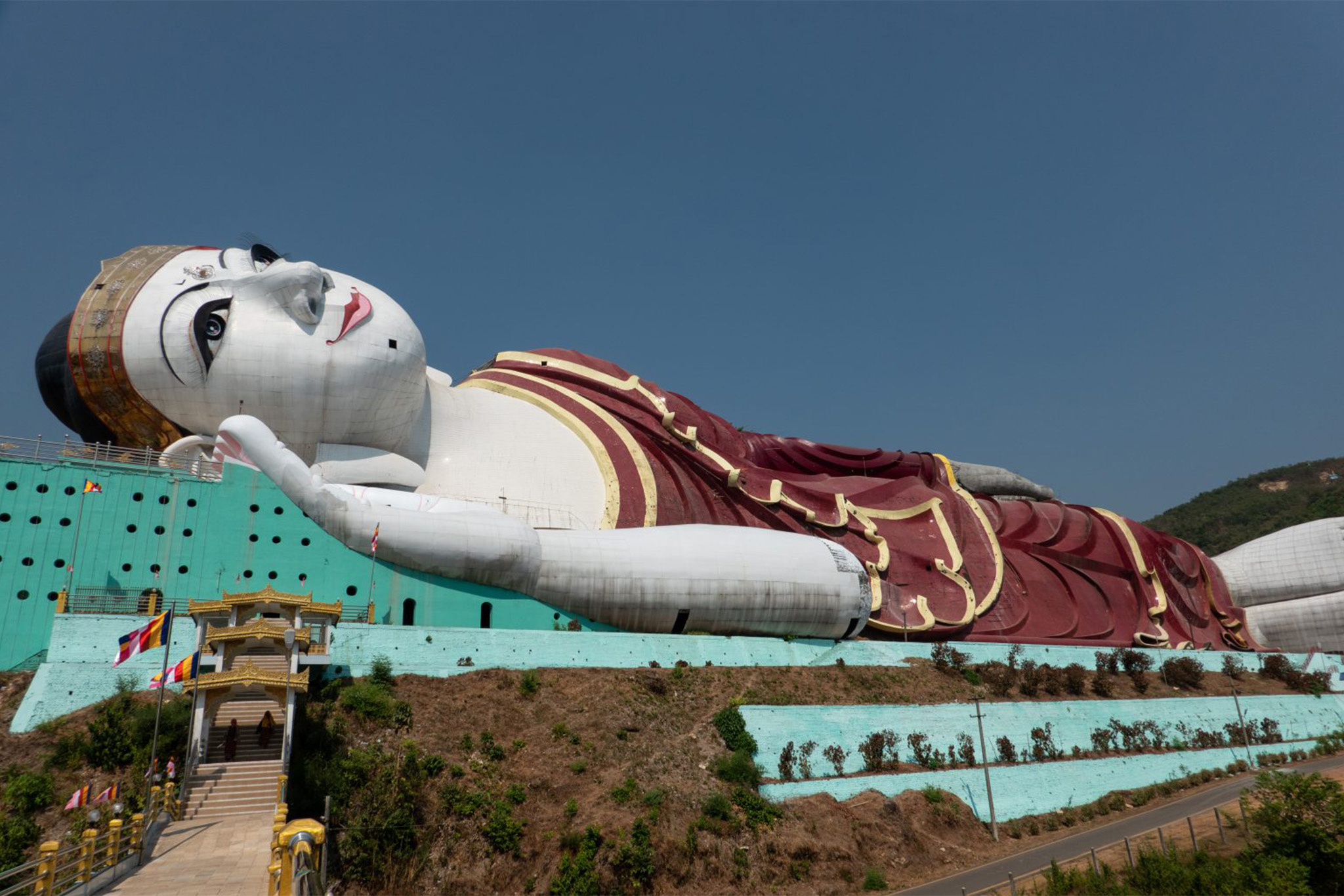
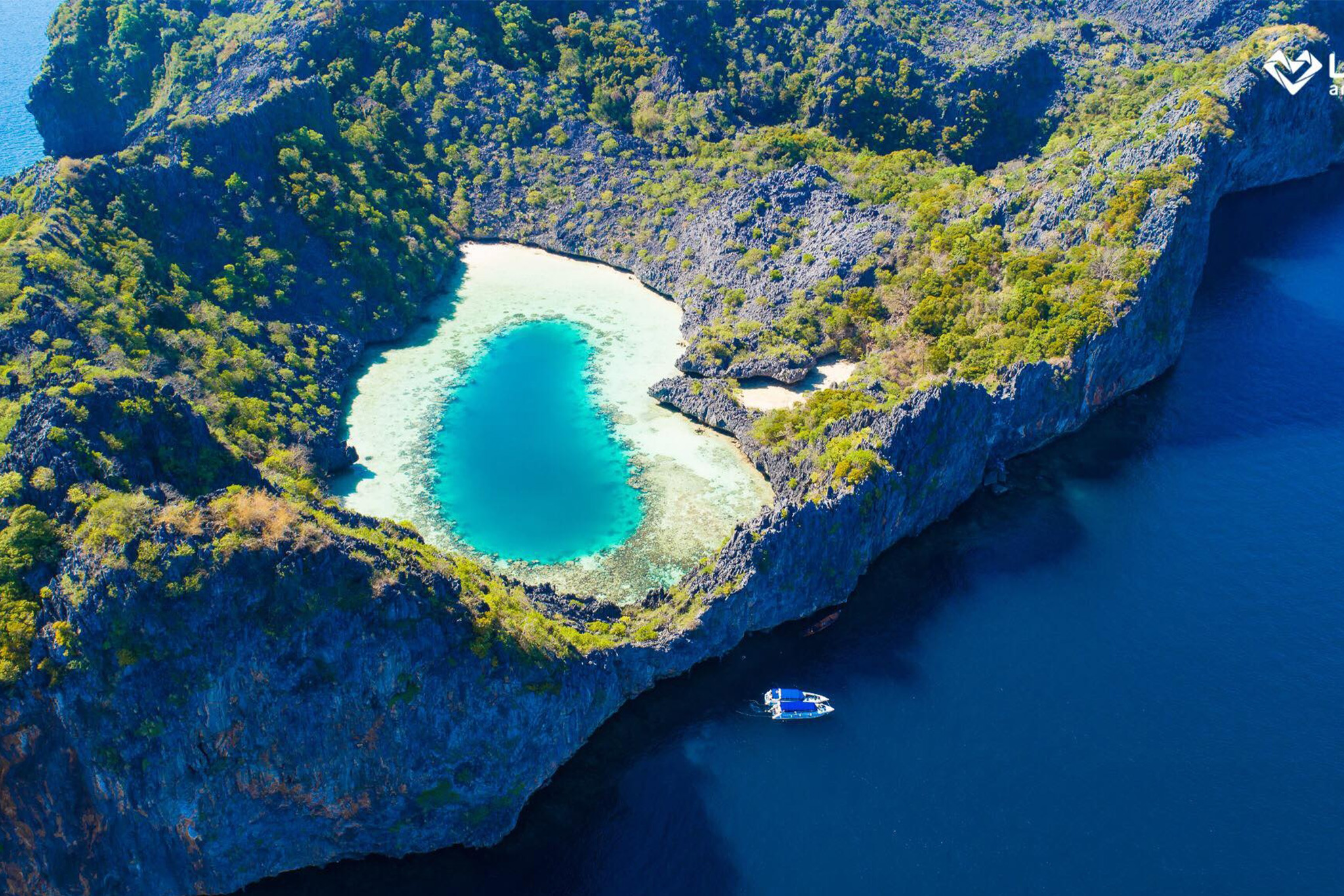
Myanmar is a Southeast Asian country which conceals cultural beauties of unusual excellence. There are myriads of captivating attractions for visitors from all over the world to drop in and discover. It is a rich country in history, culture, custom and tradition. It also has a number of tourist attractions, with many more unknown and yet undiscovered tourist attractions. Many of Myanmar’s popular tourist attractions are famous all over the world.
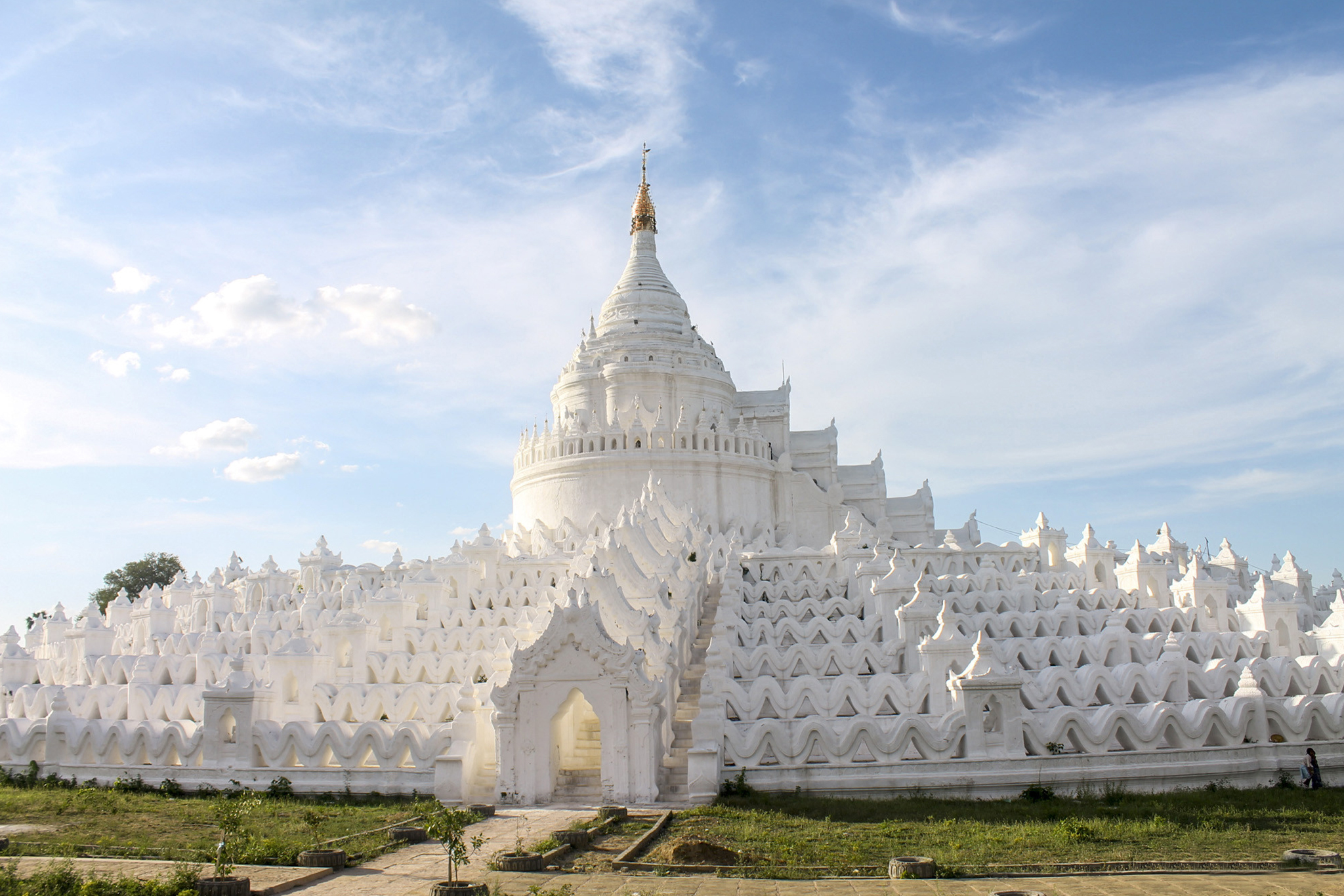
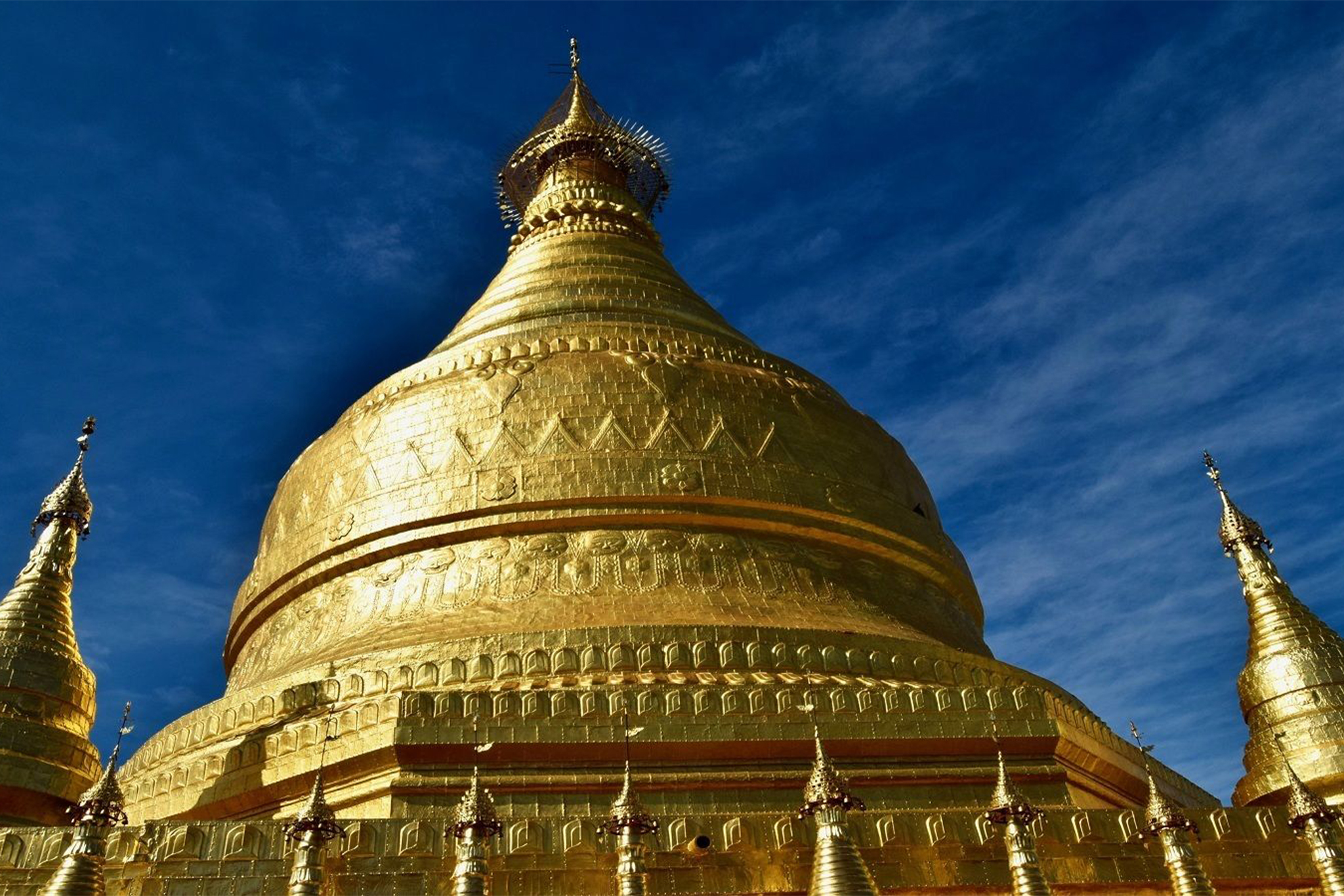
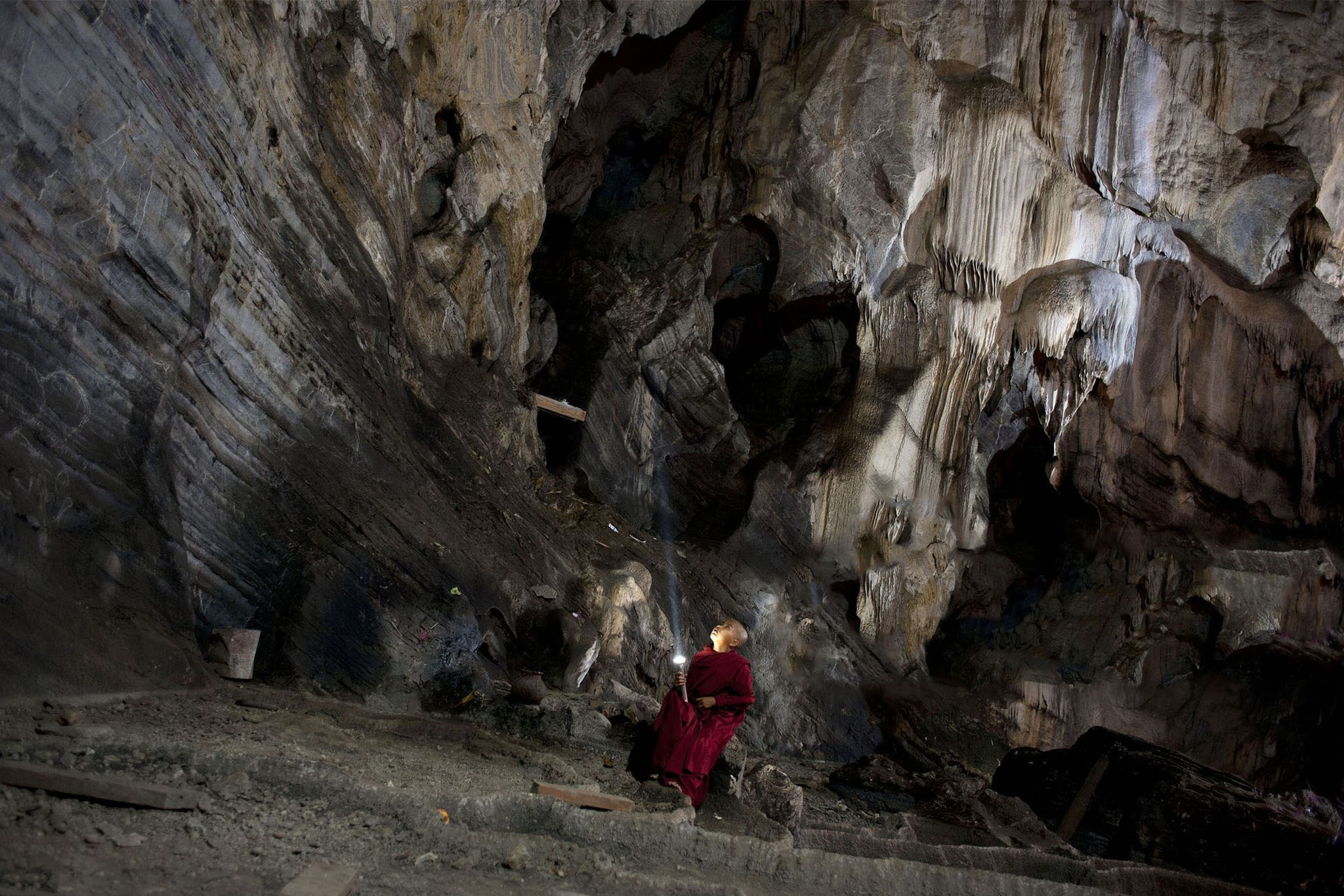
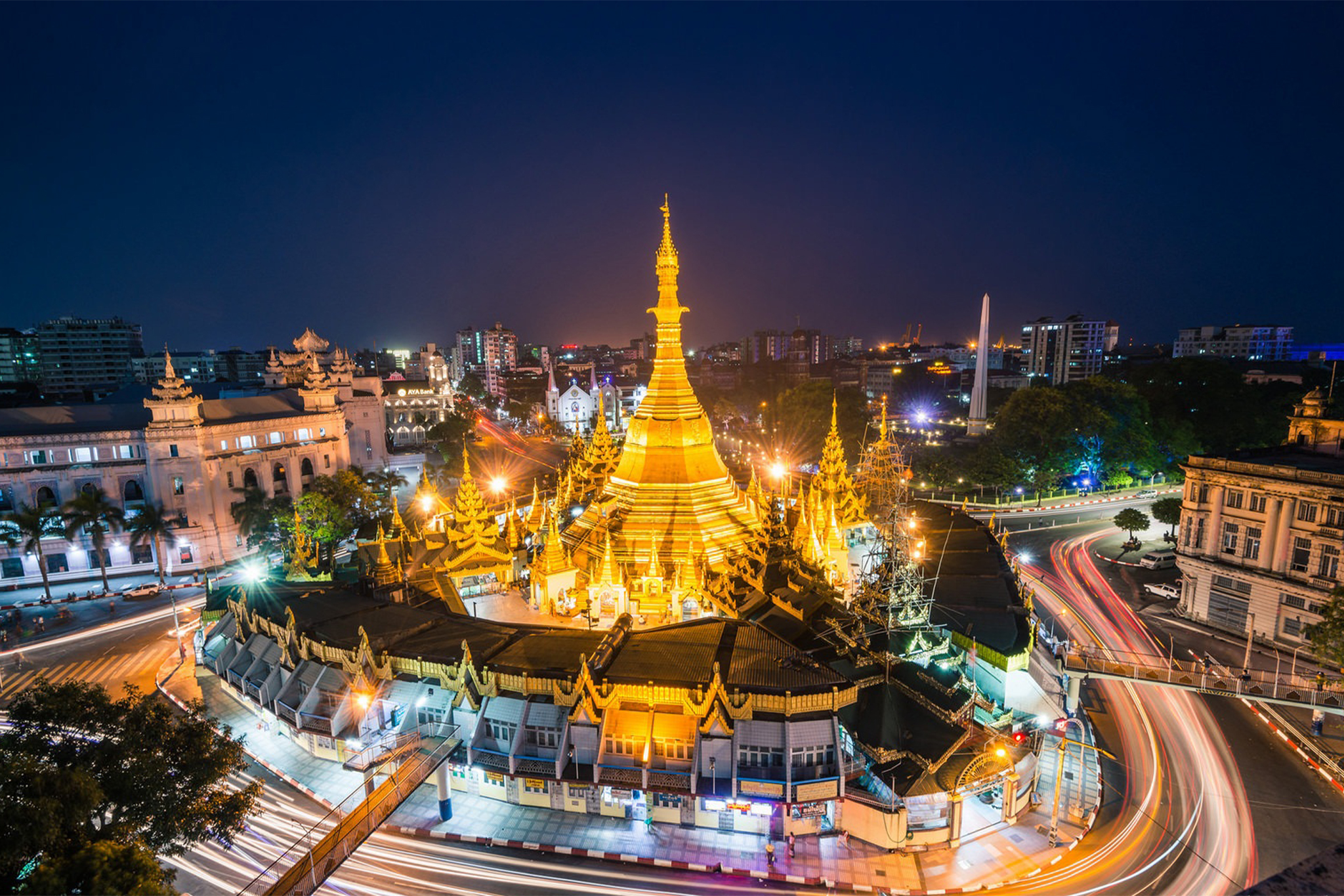
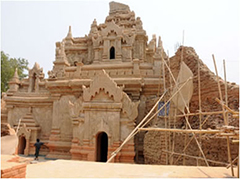
Travelling to Myanmar a few decades ago was off limits to most foreigners. The country is beginning to open up and is now friendlier towards tourism in modern times. People who do visit this exotic destination in Southeast Asia are rewarded with endless golden pagodas, ancient temples, and a glimpse into life in this once all but forgotten nation. On top of this, there are lots of opportunities to get off the beaten track or trek in the mountains, alongside pristine lakes and have adventures in caves.
Wildlife found in Myanmar is a mixture of species from North, South and Southeast Asia. There are approximately 300 known mammal species, 300 reptiles and 100 birds found throughout the country. In Myanmar’s jungles, tigers and leopards are quite common. The country’s highlands are home to elephants, rhinoceros, wild buffalo, wild boars as well as various deer species. Myanmar also houses varying monkey species including gibbons. Reptiles that are found in Myanmar include crocodiles, pythons, cobras and geckos. There are 27 different species of turtles located in the country with seven of them being endemic to Myanmar. Birds are quite common with species from the exotic parrot to the common crow, from pheasants to peafowls to the widespread paddybird.
Burmese cuisine is mainly an amalgam of cuisines from various regions of Myanmar. It has also been influenced by various cuisines of neighbouring countries, in particular, China, India and Thailand. Modern Burmese cuisine comes in two general varieties: coastal and inland. The cuisine in the coastal areas, such as that in the main city Yangon, makes extensive use of fish and seafood-based products like fish sauce and ngapi (fermented seafood). The cuisine in inland regions, such as Upper Myanmar and hill regions, tends to use more meat and poultry although modern inland cooking too has incorporated freshwater fish and shrimp as a source of protein in several ways: fresh, salted whole or filleted, salted and dried, made into a salty paste, or fermented sour and pressed.
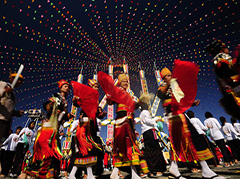
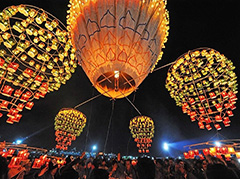
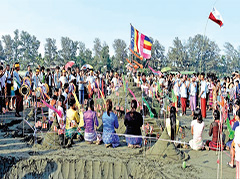
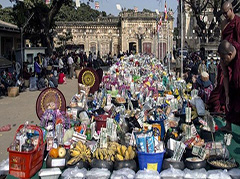
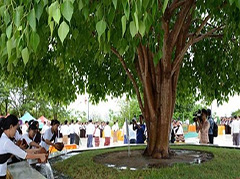
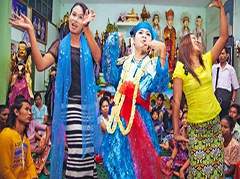
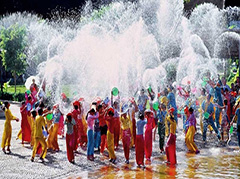
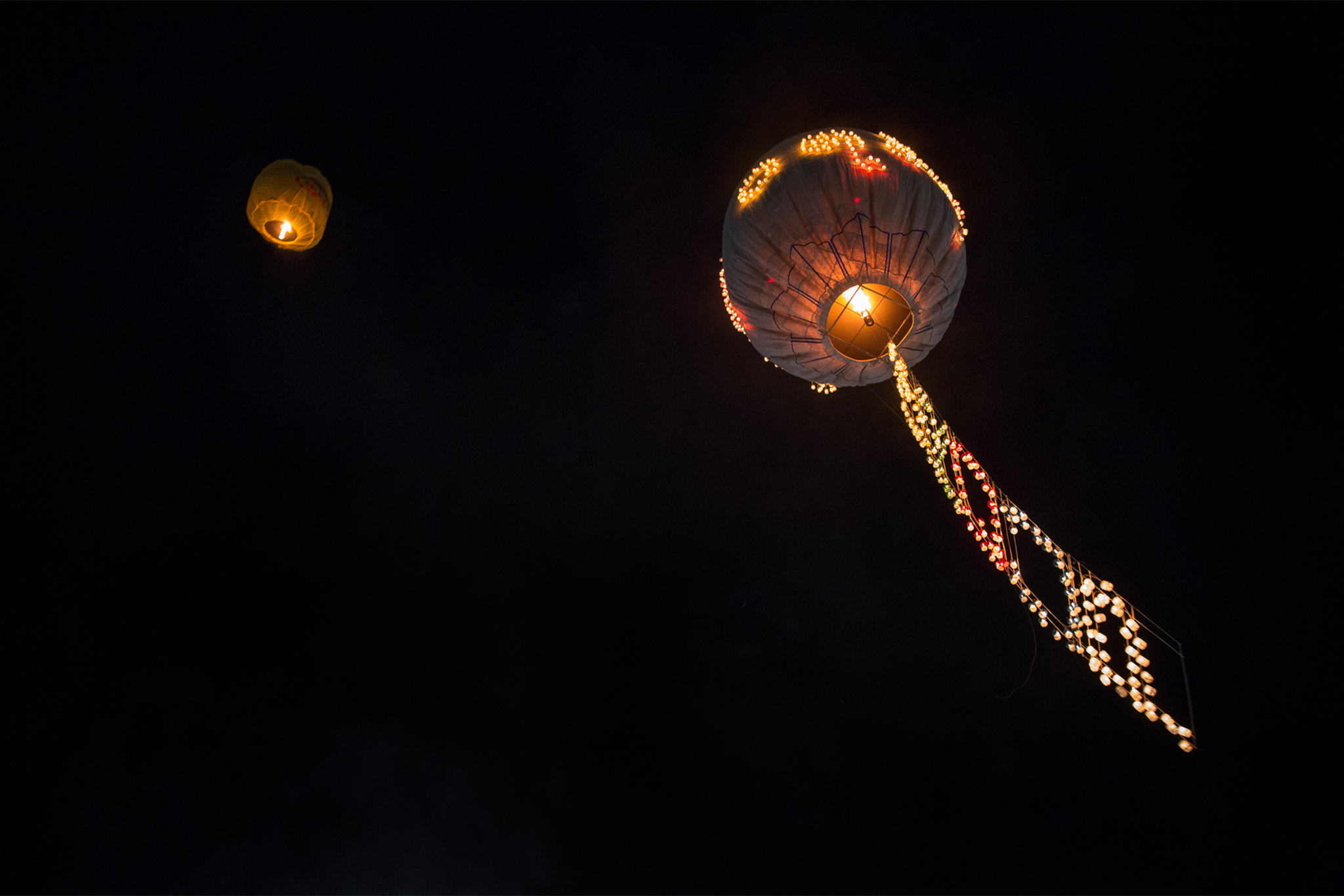
It is a well known fact that Myanmars have a penchant for theatre and festivals. Most festivals called pwe in Myanmar are related to religion and quite often, they are carried out under the patronage of a pagoda or a pagoda trustee committee. Since long time ago, most of the famous pagodas in Myanmar had their paya-pwes (pagoda-festivals) during winter and usually most are celebrated in the month of Tabaung (March). Pagoda festivals are literally glilttering affairs. During these festival entire towns and village; take part in these events, people from all walks of life from neighbouring districts set up temporary stalls to sell the wares from their hometown and local foods. As is typical of folk events, they are usually very noisy and crowded. Most of these festivals last a week or so, but the Ananda Temple Festival in Bagan is feted for one month. Besides the pagoda festivals in some places there are nat-pwes (spirit-festivals) out of these, Taung Pyone (near Mandalay) is the most eminent and believers in nats, especially mediums from various parts of the country congregate at Taungpyone. Full moon day of each month of Myanmar calendar has its own festive occasion. Following are some of the well-known festivals.
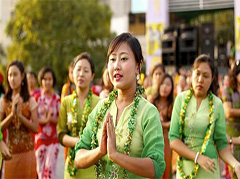
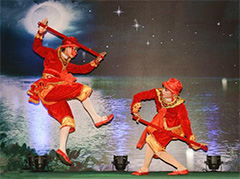
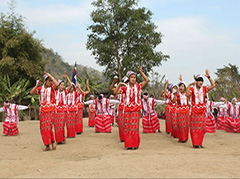
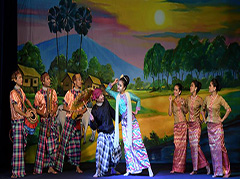
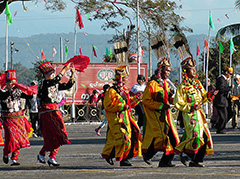
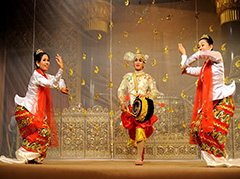
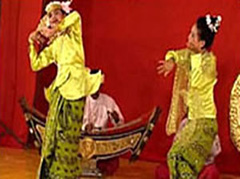
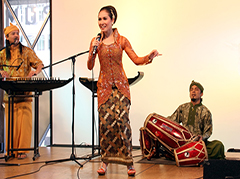
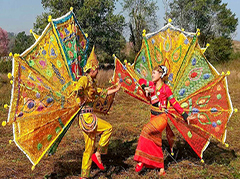
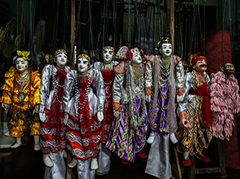
The earliest physical evidence of dance in Myanmar is excavated artifacts from site of the Pyu city of Srikshetra, founded between the A.D. 5th and 7th centuries and premier Pyu city by the 7th or 8th century. The artifacts include small bronze figures of a flute player, a drummer, a cymbal clapper, a dancer and a fifth figure that looks like a dwarf clown carrying a sack on its back. The heads of the figures are large but the bodies are of fine proportion. They are well dressed and bedecked with ornaments, and their postures are animated indicating they were engaged in performance. Dance is a prominent and popular form of the performing arts in Myanmar, where dances have traditionally been strict in their adherence form and content. Every one of Myanmar's many festivals features dancing, often in association with music and dramatic performances known as pwe. Historically, all royal functions began and ended up with music and dance. Dances have also been traditionally performed at pagoda festivals, the opening of new capitals, the start of battles, shinbyu (monk novitiation ceremonies) and weddings. Special songs are composed for special occasions and the accompanying dance is, in most cases, improvised. Myanmar is an ethnically diverse nation with 135 distinct ethnic groups. These are grouped into eight "major national ethnic races. They have own language, culture and customs. Some with their own literature. It has all the different style music and dances of different national races. Following are some of the well-known music & dances.
|
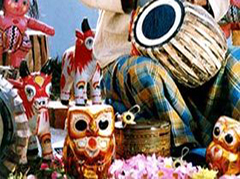
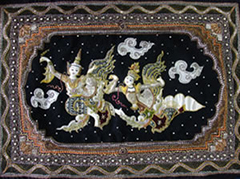
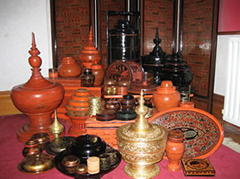
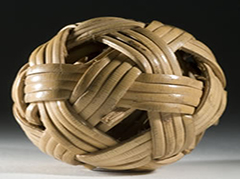
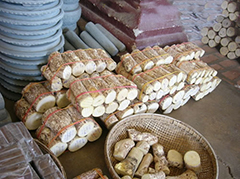
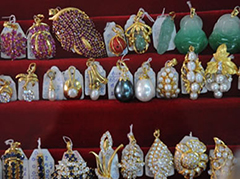
The Burmese art was based on Buddhist or Hindu cosmology and myths. There are 10 traditional arts, called pan sel myo, listed as follows: Blacksmith (ba-be'), Woodcarving (ba-bu), Goldsmith (ba-dein), Stucco relief (pandaw), Masonry (pa-yan), Stone carving (pantamaw), Turnery (panbut), Painting (bagyi), Lacquerware (panyun), Bronze casting (badin). In addition to the traditional arts are silk weaving, pottery, tapestry making, gemstone engraving, and gold leaf making. The culture of Myanmar has been heavily influenced by Buddhism and the Mon people. Myanmar culture has also been influenced by its neighbours India, Thailand and China.
|