The People
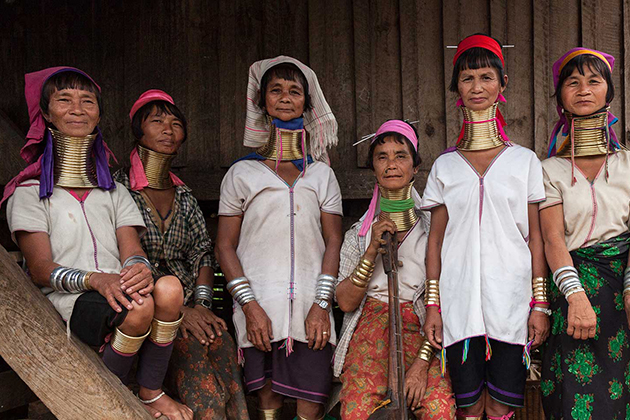
Ethnically, Kayah state has about 7 to 10 ethnic groups, the primary being the Kayan people and the Padaung people. Other ethnic tribes include Geba, Bwe, Manumanaw, Zayein, Yinbaw, Paku and a few more. The Kayan people are a part of the Red Karen people and are a Tibeto-Burman ethnic minority of Myanmar. The first historical reference of these people ranges back to 739 AD in the Demanwso area of Karenni State.
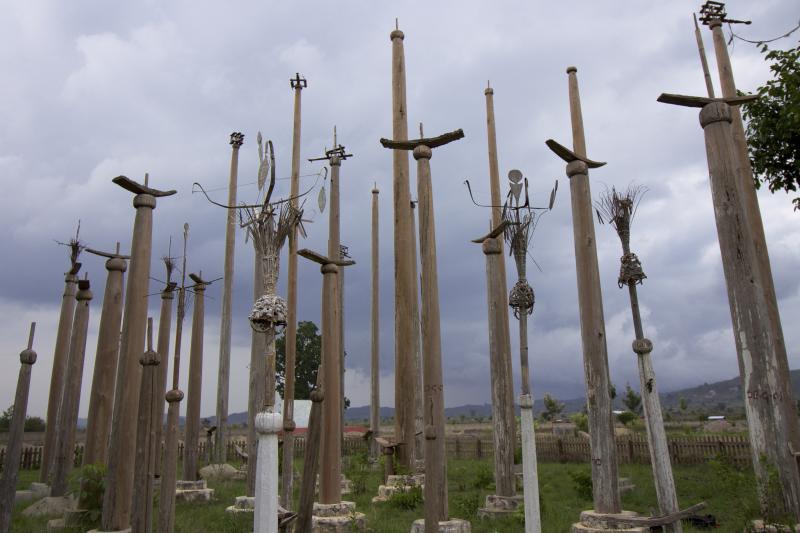
One of the most enchanting aspects of exploring the verdant landscape in Kayah is seeing fields of tall, straight totem poles soaring into the sky -- the result of a sacred Kayah tradition that locals say is as old as the world itself. Every year around April or May, several villages band together to select and fell a stately tree from the forest and transform it into a towering totem pole during the three day Kay Htoe Boe festival.
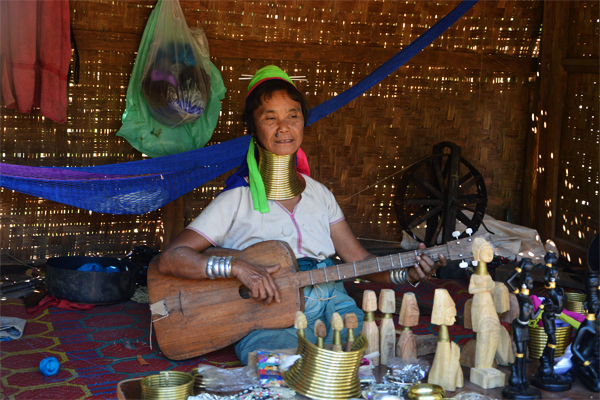
Tourists get to experience the warm hospitality of the locals while witnessing their passion in showcasing the state’s rituals, crafts, and music. As some of the locals practise animism (a belief that all natural things have spirits), tourists get to visit animist temples and visit sacred totems that could be found there. They can also witness how shamans hunt, experience shooting a catapult, and taste delicacies found in the state.
KAYAH
Despite being the smallest state in Myanmar, Kayah is mighty in size when it comes to diversity and amazing travel experience. Closed from visitors for nearly 50 years, the state’s reopening has allowed it to flourish as a hidden gem of Myanmar that shines with authenticity. Kayah is home to nine different ethnic groups, giving ample opportunities for tourists to discover the cultures and heritages. The most distinctive tribes are Kayah and Kayan. The Kayah people are known to dress in bright and red-coloured attire while the Kayans are easily recognized from the brass rings they wear on their neck.
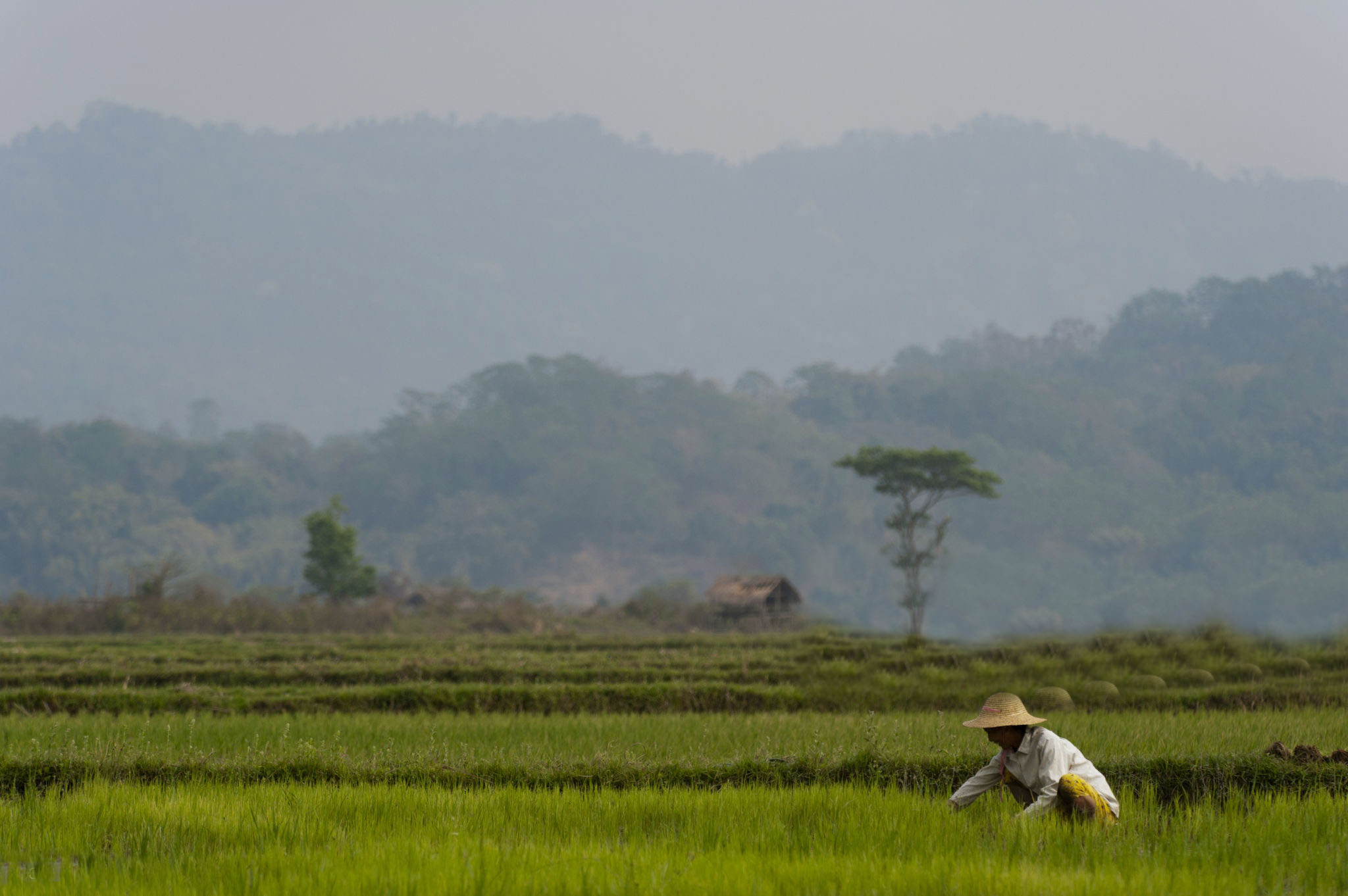
Kayah State has a primarily extraction-based economy. The main crop is rice, mostly irrigated, with other important crops including millet, maize, sesame, groundnut, garlic, and vegetables.
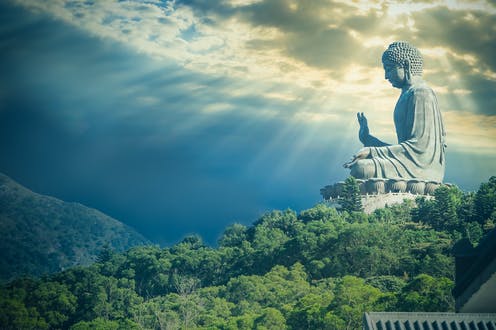
49.9% of the Kayan believes in Buddhism according to the 2015's survey.

The Kayah Li alphabet (Kayah Li: ꤊꤢ꤬ꤛꤢ꤭ ꤜꤟꤤ꤬) is used to write the Kayah languages Eastern Kayah Li and Western Kayah Li, which are members of Karenic branch of the Sino-Tibetan language family.
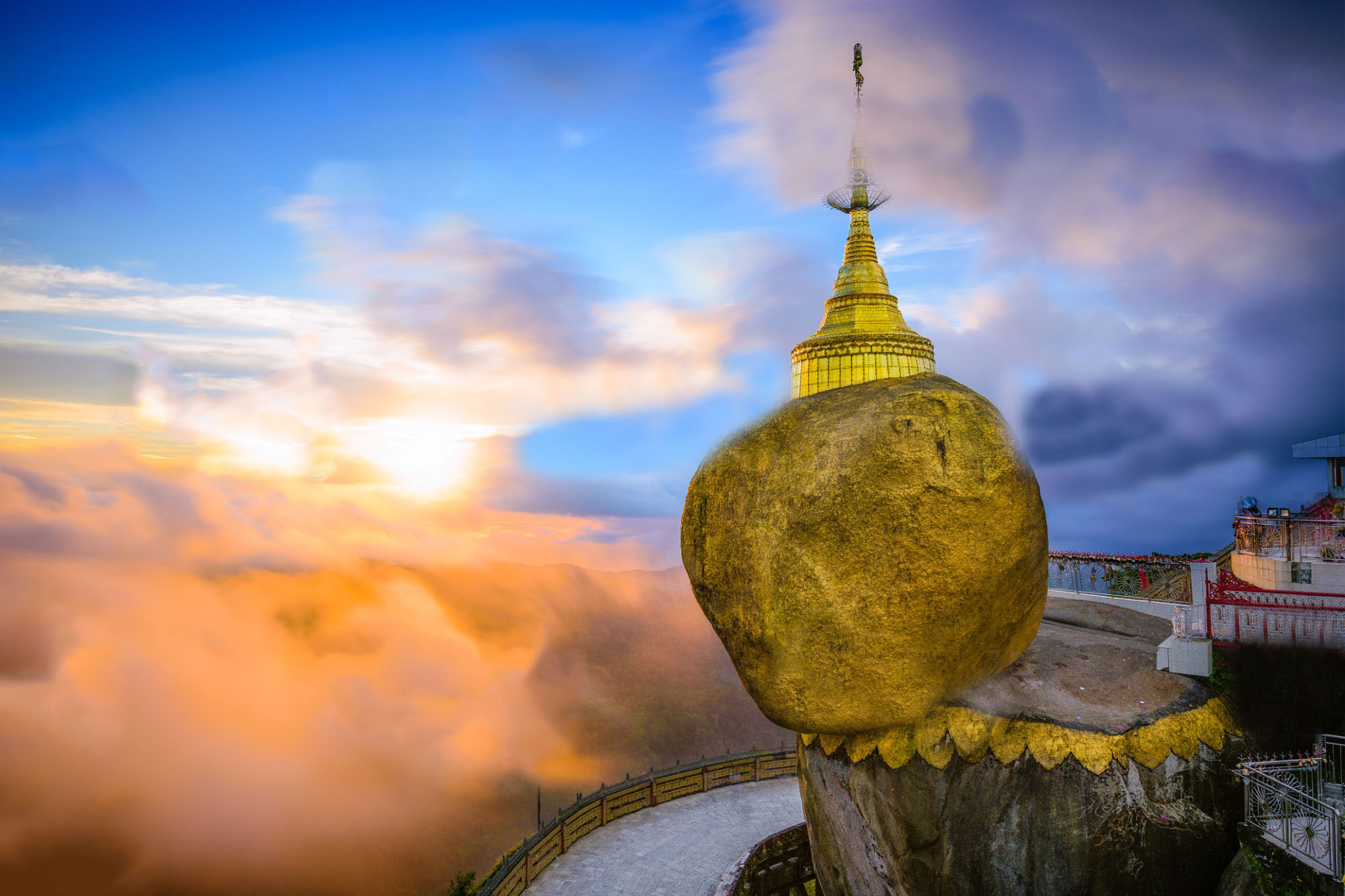
Taung Kwe Pagoda
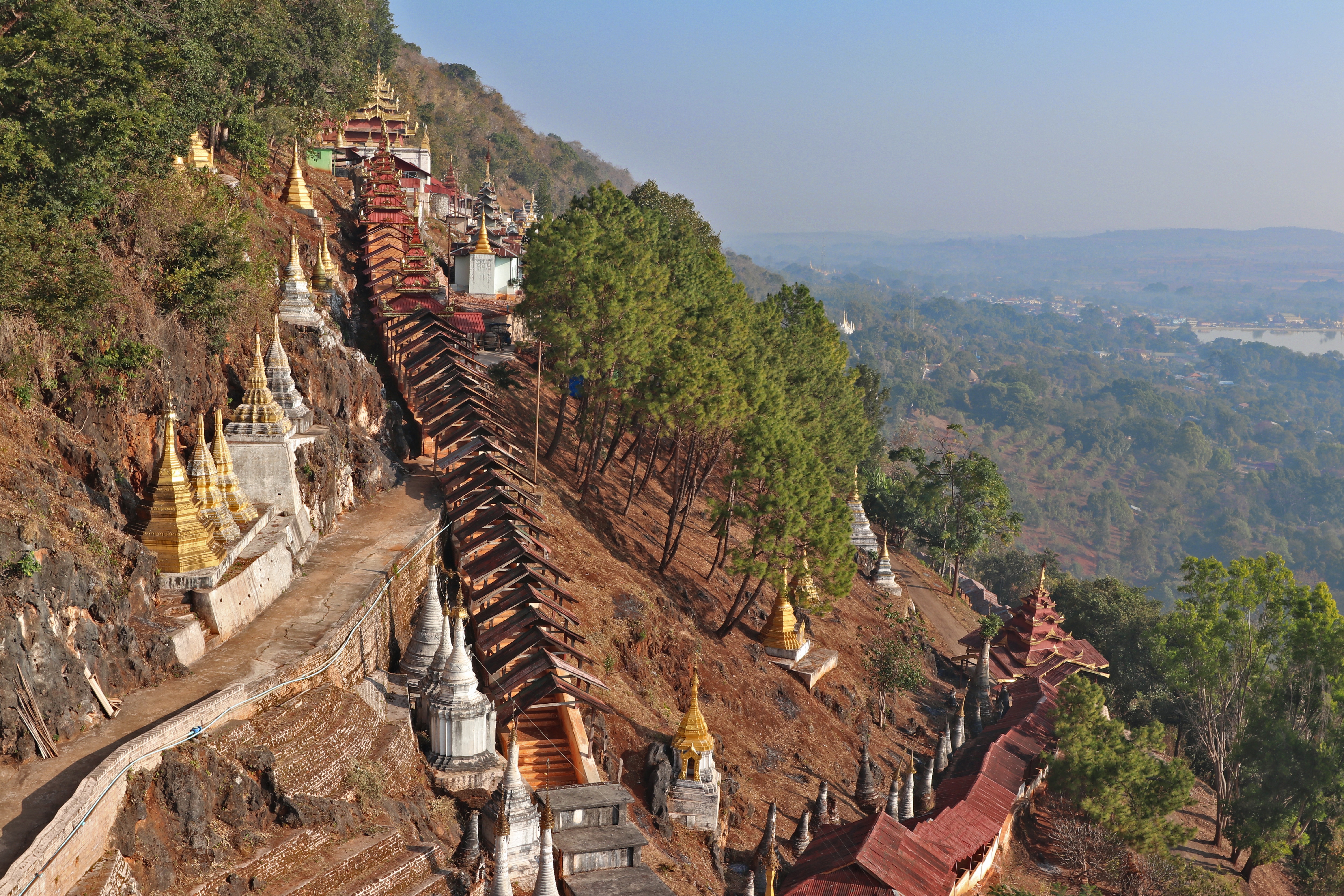
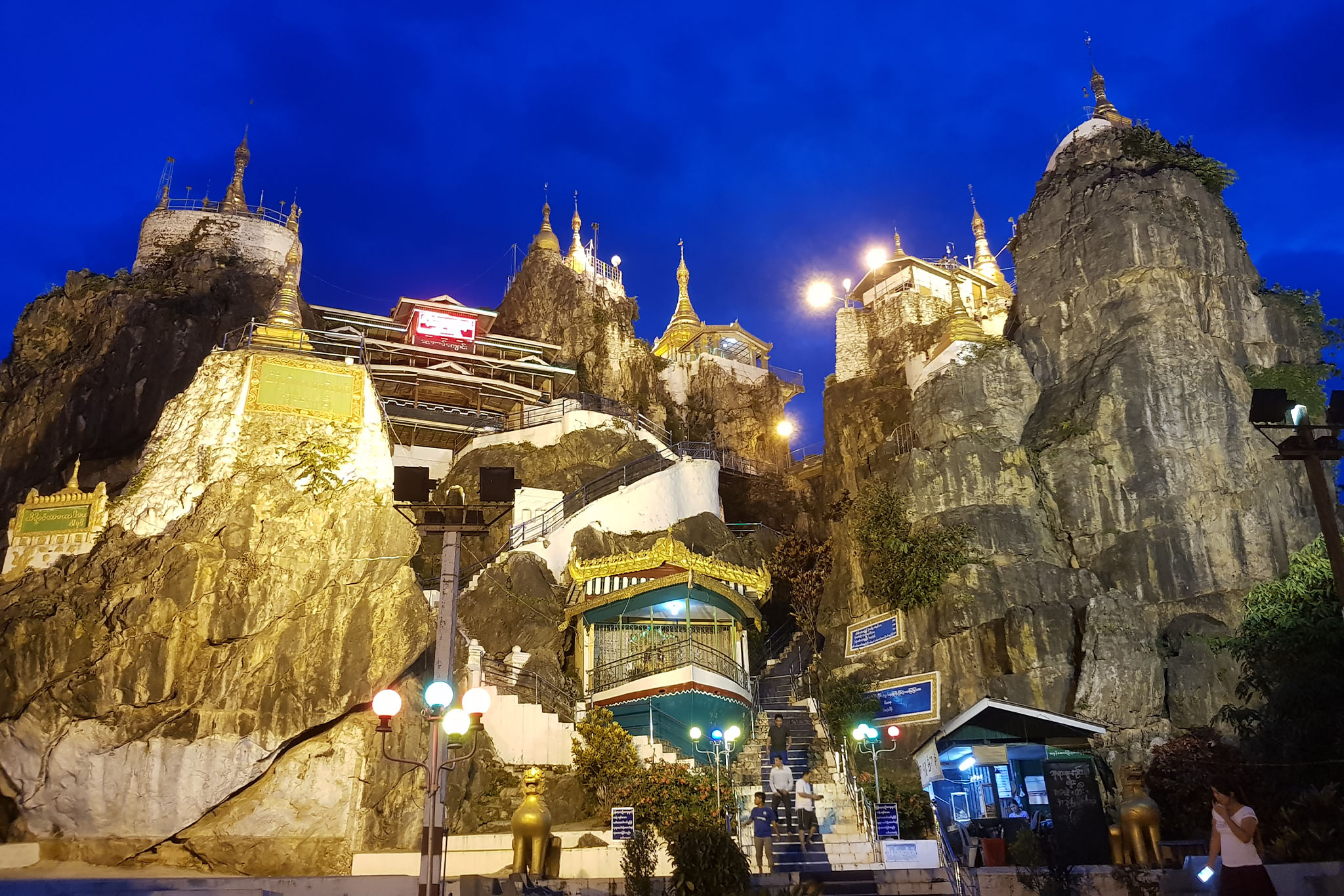
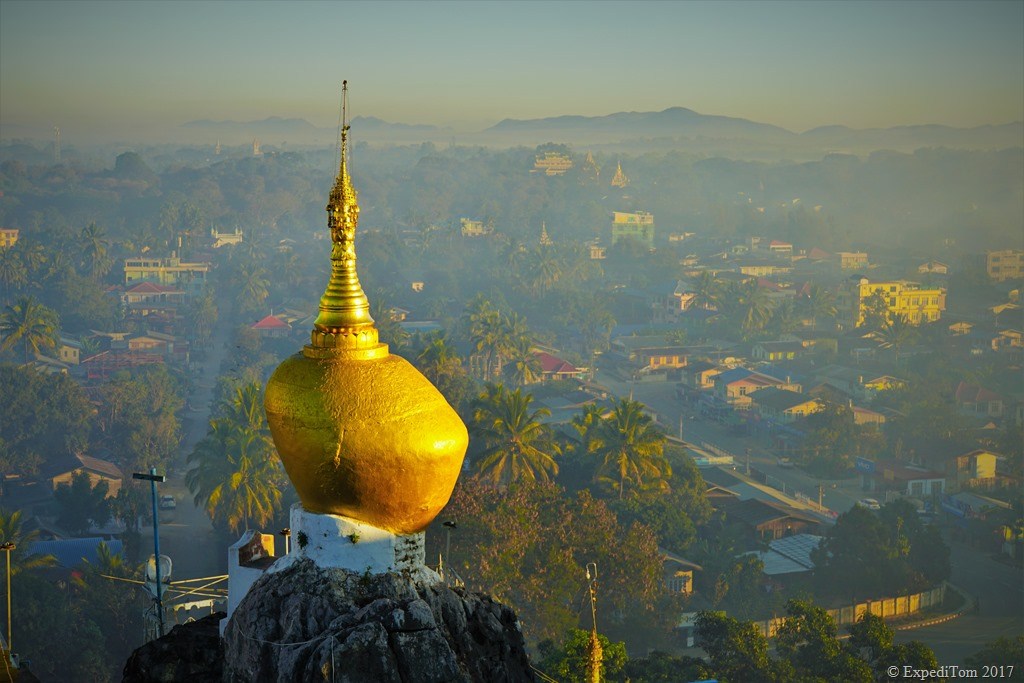
The cluster lies in the south of Loikaw, Kayah State, atop Thirri Mingala Hill, that has nine peaks on nine broken hills. It was called Mingala Hill, Phawmye in Kayah, Taunggwe in Myanmar, and Loi Pha Phat in Shan. It is 387 feet high. There are pagodas on the nine hillocks named Pyilone Chantha, Shwe Yattaung, Shweyin-aye, Kyauk Thamban, Aung-dawmu, Sutaungpyi, lower Kyaikhtiyo, upper Kyaikhtiyo and Shwe-Pyi-Aye. Pyilone Chantha Pagoda was built in 1295 (1933) to be 36 feet high and 27 feet in girth. Shwe Yattaung Pagoda was built in 1257 (1895) to be 20 feet high and 15 feet in girth. Shwe Yin-aye Pagoda was built in 1275 (1913) to be seven feet high and five feet and six inches in girth.
Lawpita Waterfall
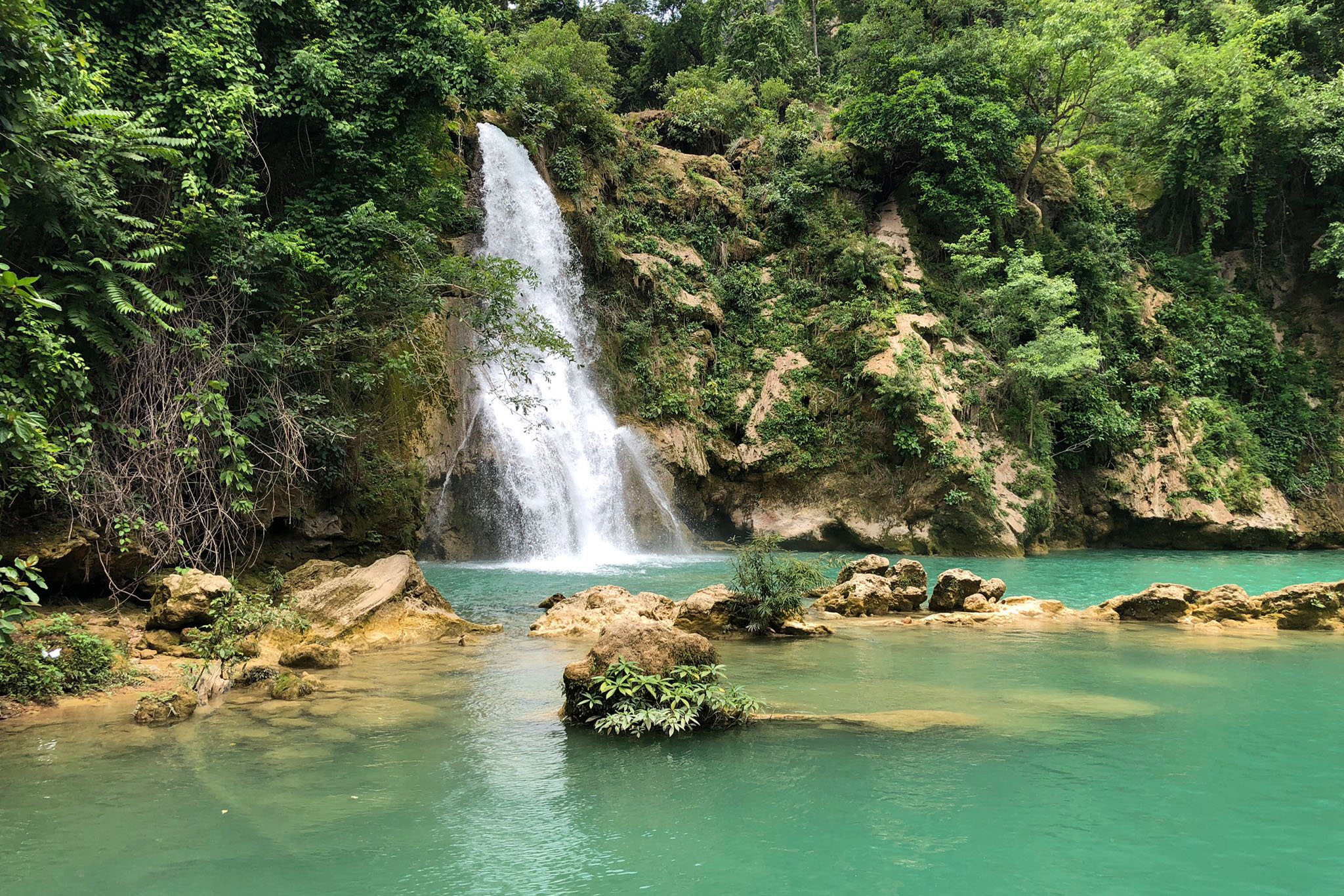
The Lawpita Waterfalls are formed by the famous Bilu Chaung (the Ogre Stream), which flows out of Inle Lake in the far north. The drive from Loikaw to No. 2 Hydro-electric plant on scenic 13-miles-long road though rubber plantations, orchards, and typical villages is very pleasant and scenic. There are two-steps and one step falls and required to walk around 20 minutes from where the car is left. It’s beautiful when the mist covers the tree tops and the falls. Swimming is forbidden due to unpredictably strong current and whirlpools. The visit required a special permit from regional military commend one day before.
Kyat Cave
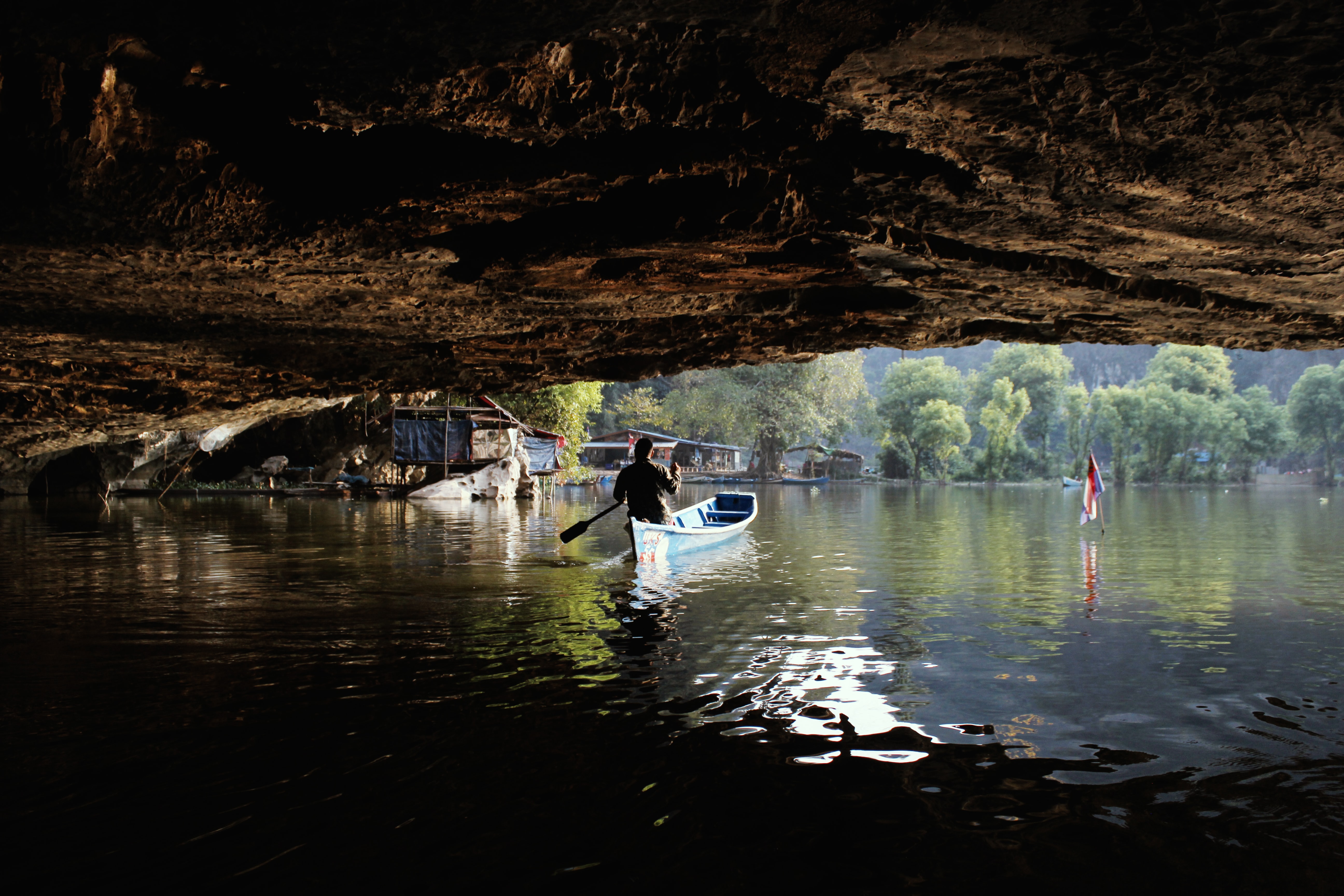
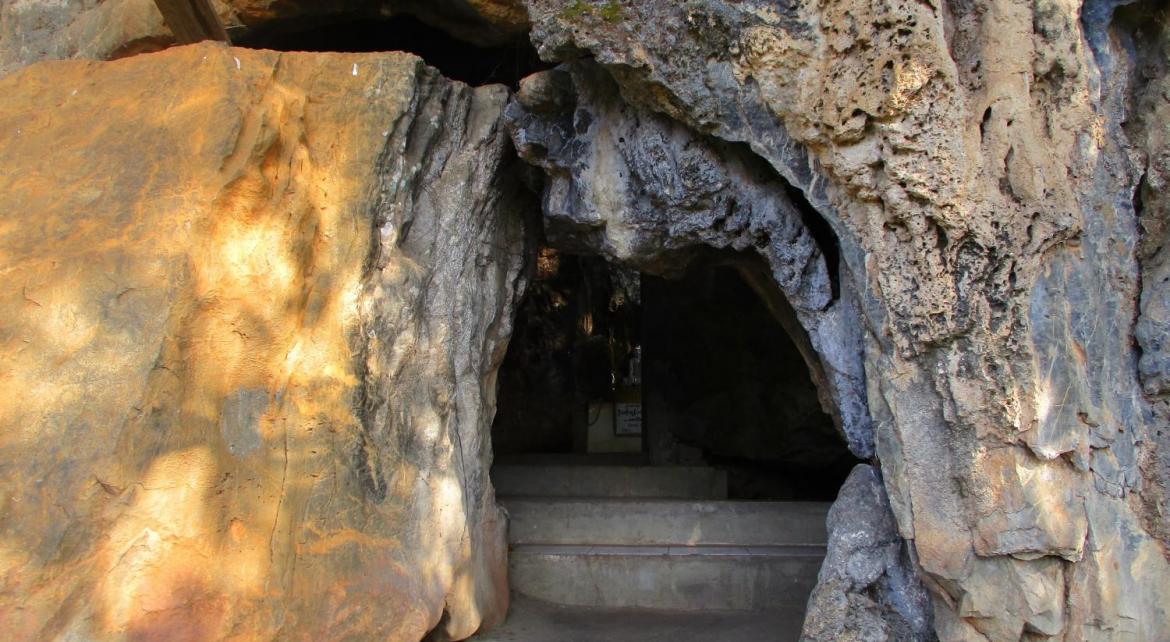
Kyat Cave is a limestone and dolomite cave situated about ten miles east from Loi Kaw, Kayah State in Myanmar. It is a popular travel destination because of its untouched nature but also for a more curious attraction - several coffins of an ethnic group. The longest coffins are 15 feet long and the shortest ones 2 feet and are made by engraving logs. The coffins are in several positions, some are even placed in the big cavities of the cave ceiling. The cave is also known as YarSu Cave or Yan Cave (gun powder cave) because more than 100 years ago, the locals used to collect bat feces to make gun powder. According to some experts, the coffins were evaluated to be teak which was cut from over a thousand years.
Loikaw
The town itself sprawls at the foot of a limestone monolith that’s topped with the Thiri-Mingalar Taung Kwe pagoda. The Buddhist temple has sweeping views of the surrounding mountains — especially photogenic at sunset. A series of staircases criss-cross the rock to reach the top, passing smaller shrines along the way. If steep steps aren’t for you, you’ll find a gleaming golden tower at the back containing an elevator to the top. If you’re curious about the state’s most-boasted-about dish, the Kayah sausage, you can visit the home of a family who make the spicy snack. There’s the opportunity to see how they’re produced and try for yourself, although as fresh animal products are being used. If you’d rather simply snack on a sausage, or try one of the region’s other local delicacies, Loikaw has a nightly street food market along the banks for the Pilu River River each night.
Local Specilities
Traditional Costume
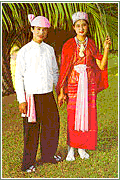
Kayah men wear white headdresses and shirts with traditional jackets and trousers just past the knees. Silver daggers and stringed silver swords are carried on traditional occasions. Some Kayah women wear their hair in high knots wrapped with red headdresses. Their sleeveless blouses are normally black, covering only one shoulder.
Sape'
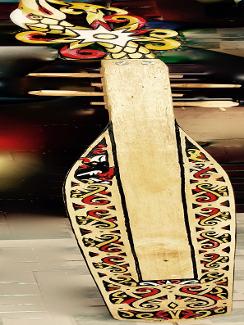
Sape' is a popular musical instrument and is originated from Kayan tribes. The sound is relaxing, calming, comforting, soothing and it is a good mind therapy for hectic town life. Sape' (pronounce as sar-pect) played during "nyivan asen" (traditional dance). It was made of wood and the "Ikeng" (design) signify the forest and warrior character.
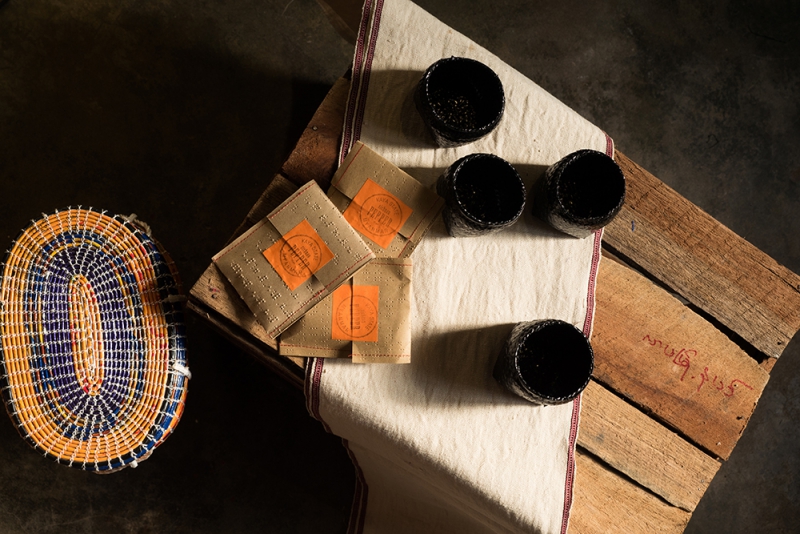
Rice wine cups
Rice wine cups are made from bamboo covered in laquer making them water tight. Once an item of day to day life these cups have now been pushed aside with the arrival of plastic, glass and enamel.
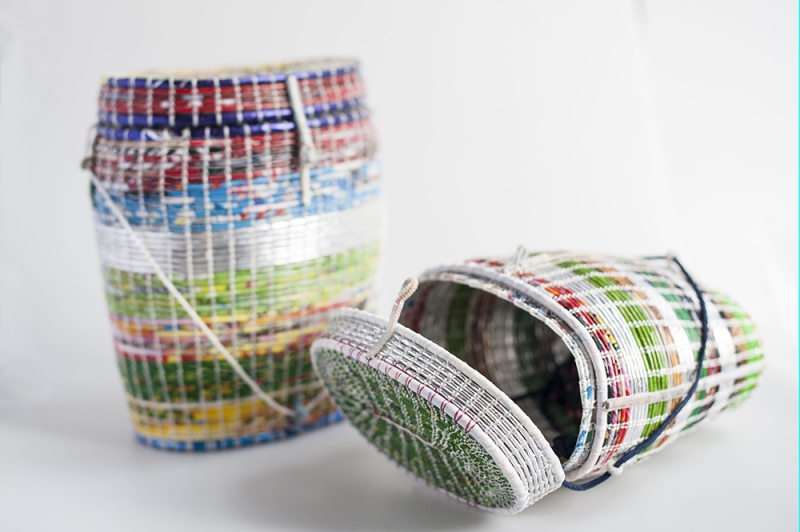
Traditional field baskets
Traditional field baskets are created in Loikaw and a wide variety of colours and sizes are available, they are stunning and make a unique handbag.
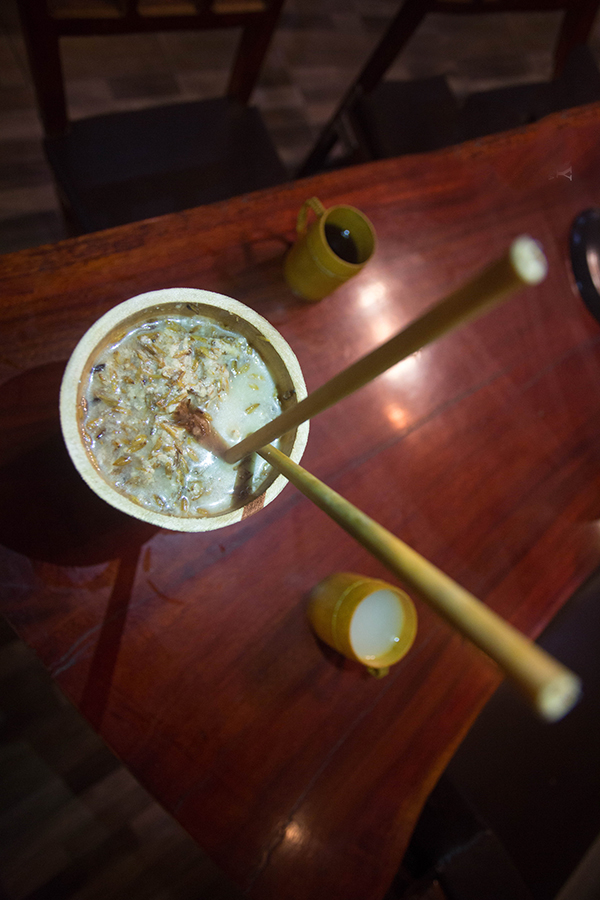
The traditional brew
The traditional brew is made by mixing sticky rice, millet, natural yeast and water and steaming it before storing it in a large clay pot to fermented for around three weeks. Though the exact alcohol content is unknown, the basic brew is thought to be around 17 to 18 percent alcohol and it gets stronger the longer it’s left to ferment.
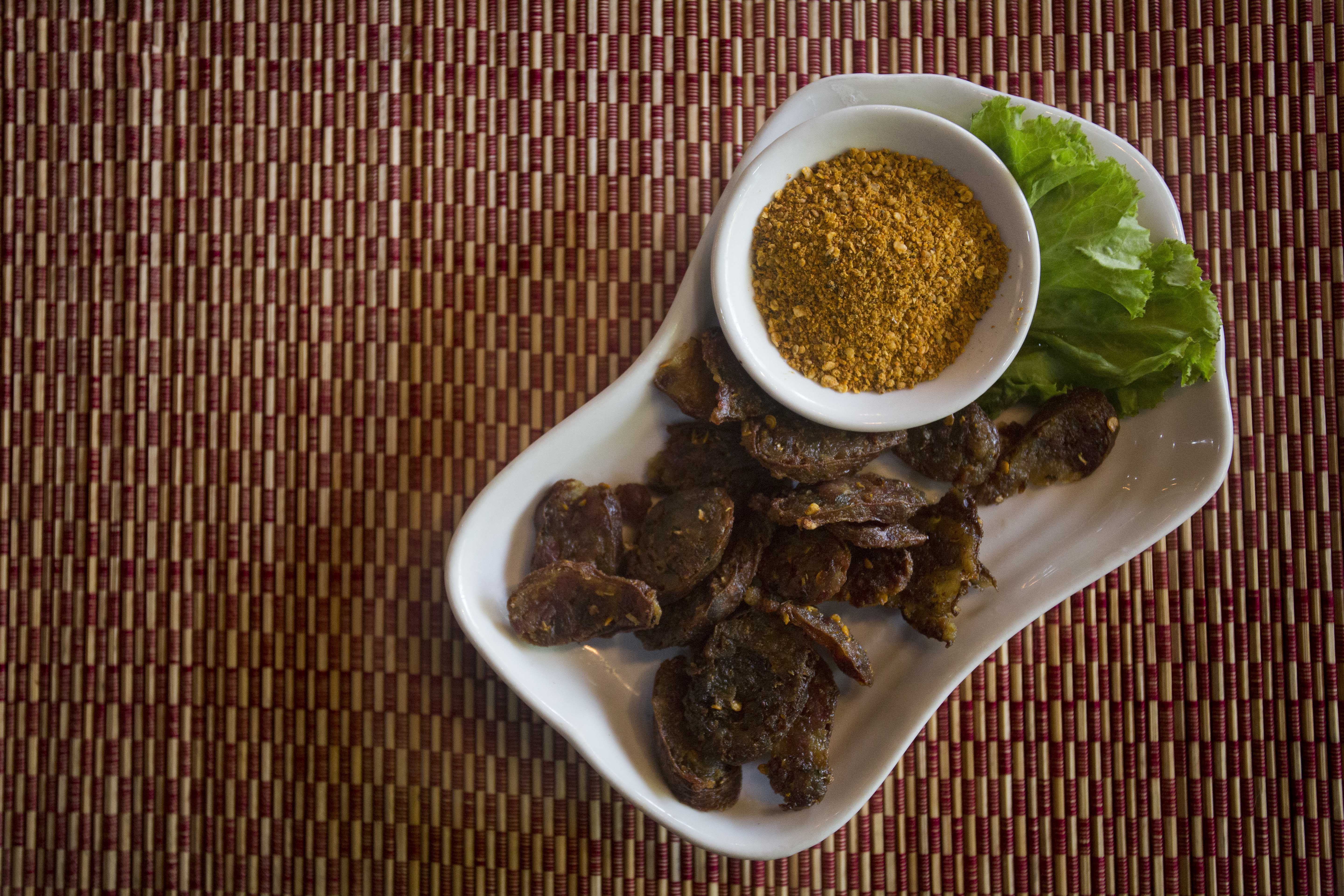
Kayah pork sausage
Food-wise, unmissable dishes at Vista Do Rio include the original Kayah pork sausage, tantalizing beef cooked in bamboo, fresh Kayan cucumber salad and Spring Taste which is pork ribs, red silk cotton flower and soya bean paste.