The People
Myanmar’s majority group (around 40 million people, or two-thirds of the population), the Bamar have traditionally held sway over much of the country, particularly the fertile central plains and Ayeyarwady valley. Originally migrants from the southern China, the Bamar (or “Burmans”, as they were known in colonial times) were a wet-rice farming people, Theravada Buddhist by religion, whose tonal, Tibeto-Burman tongue – Burmese – has long been the national language.
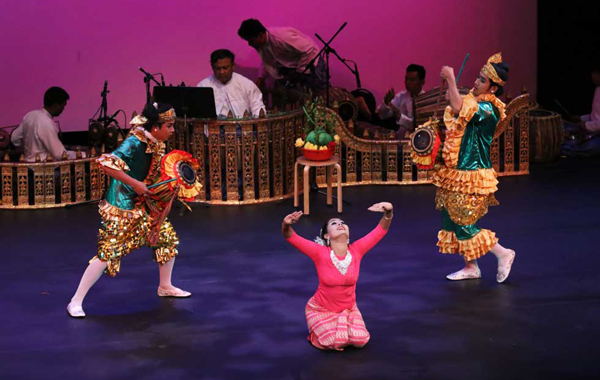
All-night performances, which combine melodrama, slapstick, traditional dance, and even pop music are called "zat pwe" in Burma. These seasonal events are staged in enclosed temporary bamboo theaters and are typically part of annual fund raising activities at pagoda festivals. The performers are traveling troupes, usually several dozen professional male and female dancers, musicians, comedians, and actors. These troupes travel widely throughout the country.
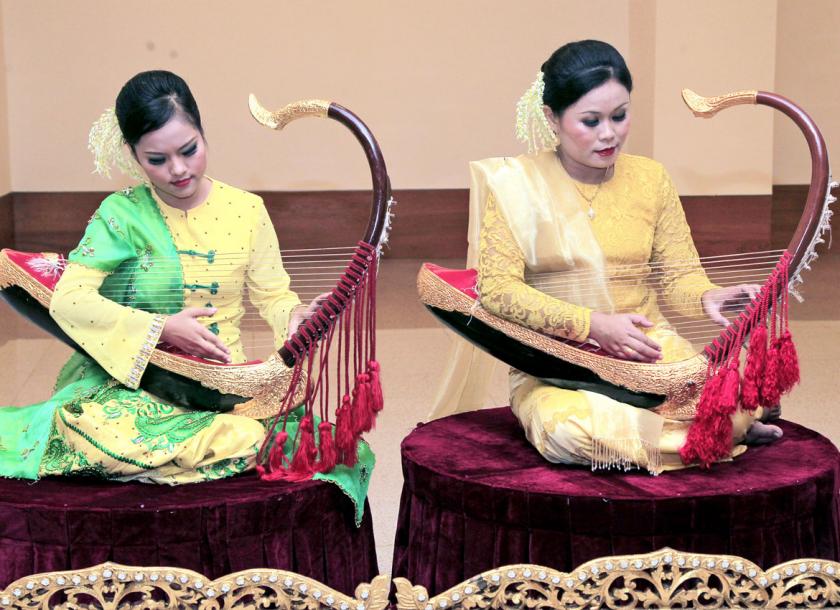
Traditional music from Burma is melodious, generally without harmony, and usually in 4/4 time (na-yi-se) or 2/4 (wa-let-se) or 8/16 (wa-let-a-myan). There are "the segments combined into patterns, combined into verses, combined into songs [that] make Burmese music a multileveled hierarchical system...The Burmese musician manipulates the various levels of the hierarchy to create the song..."
BAGO
Bago is a region in Myanmar located close to Yangon region. Bago City, formerly known as Hanthawaddy is the capital of Bago region. it is located 80 kilometres north-east of Yangon. It is a popular trip destination for tourists visiting Yangon due to proximity. Bago offers a perfect milieu of nature and culture to tourists. It is renowned for handicrafts as well as a vast wildlife sanctuary. Tourists can enjoy a wide range of experiences in Bago ranging from visiting an elephant camp to experiencing the urban life of Bago City.
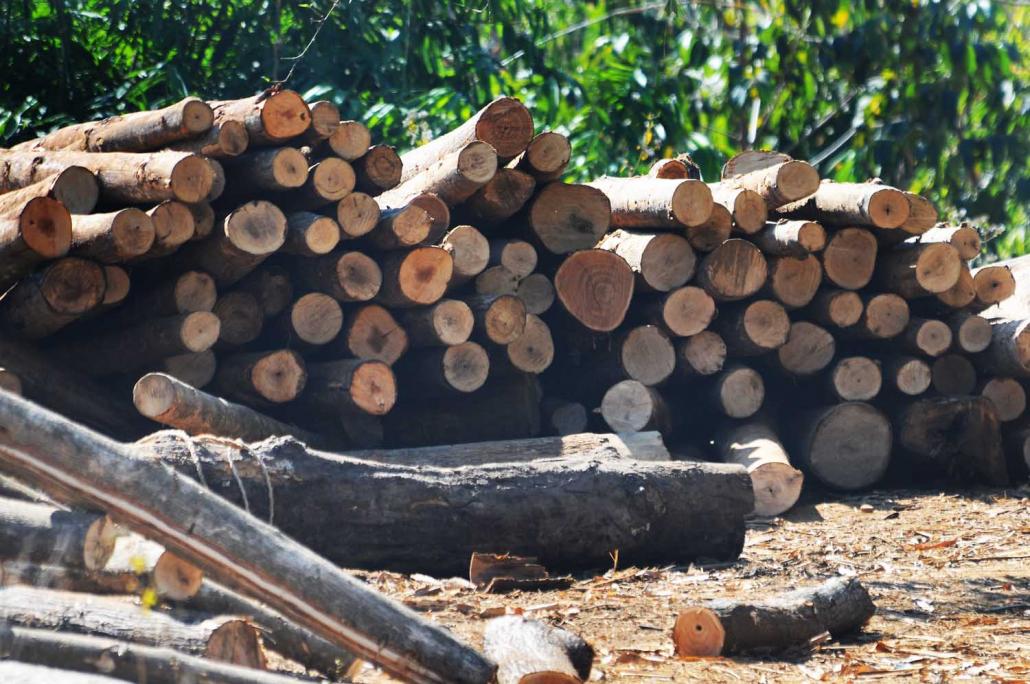
The division's economy is strongly dependent on the timber trade.
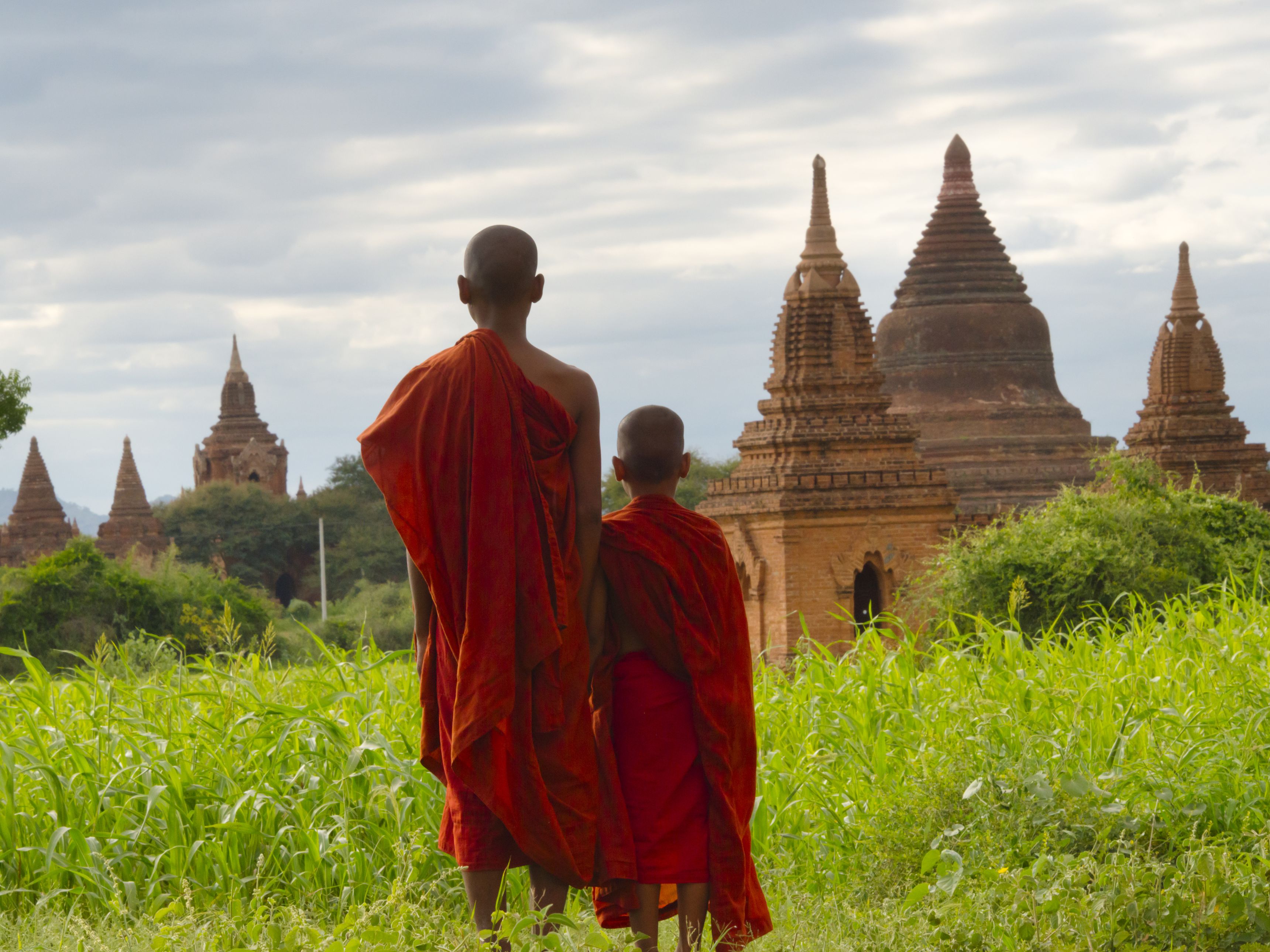
The majority in Bago region follow Theravada Buddhism.
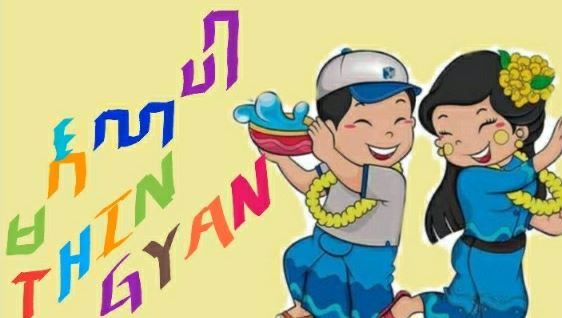
The majority in Bago, Bamar people speak Burmese, a Sino-Tibetan language.
Shwethalyaung Pagoda
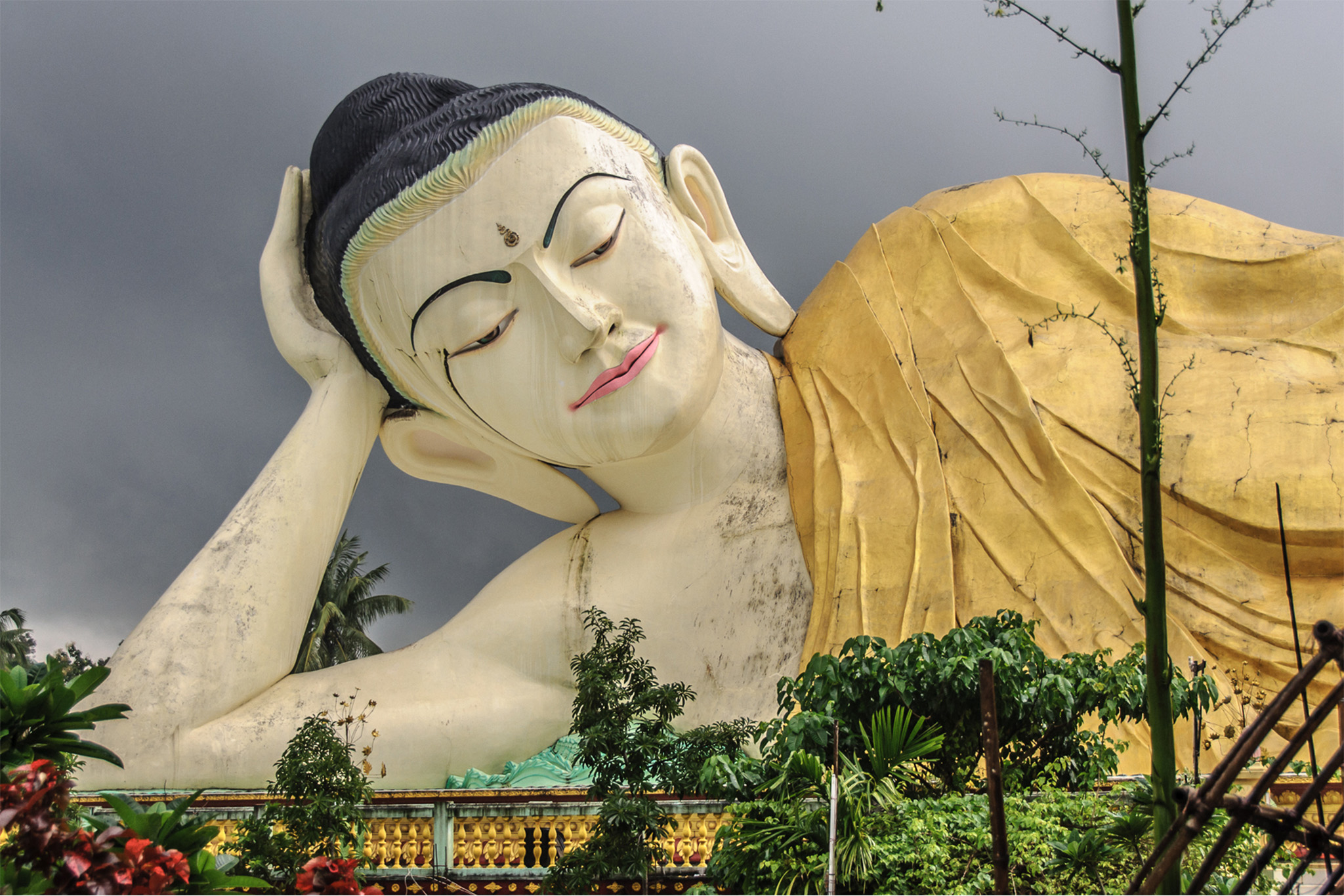
Shwethalyaung reclining Buddha image is located on the road to Mahazedi Pagoda. Visitors who leave Yangon need to turn left to Shwethalyaung image before arriving at the overpass of the railroad in Bago. The image is 55 meters long (180 feet) and 16 meters high (52 feet). It was built by Mon King Maggadipa in 994 AD but the image was hidden in the bushes for a long time. In 1880, the Buddha image was found in clearing the bushes to construct the railroad. The image was renovated in 1881 and the left side of its pillow rebuilt. The roof and walls of a hall for the image were completed in 1930. People in successive eras assumed the well-wisher of Shwethalyaung reclining Buddha image was Mon King Maggadipa but some assumed it was built by King Bayintnaung. The image was enshrined sacred relics and many Buddha images.
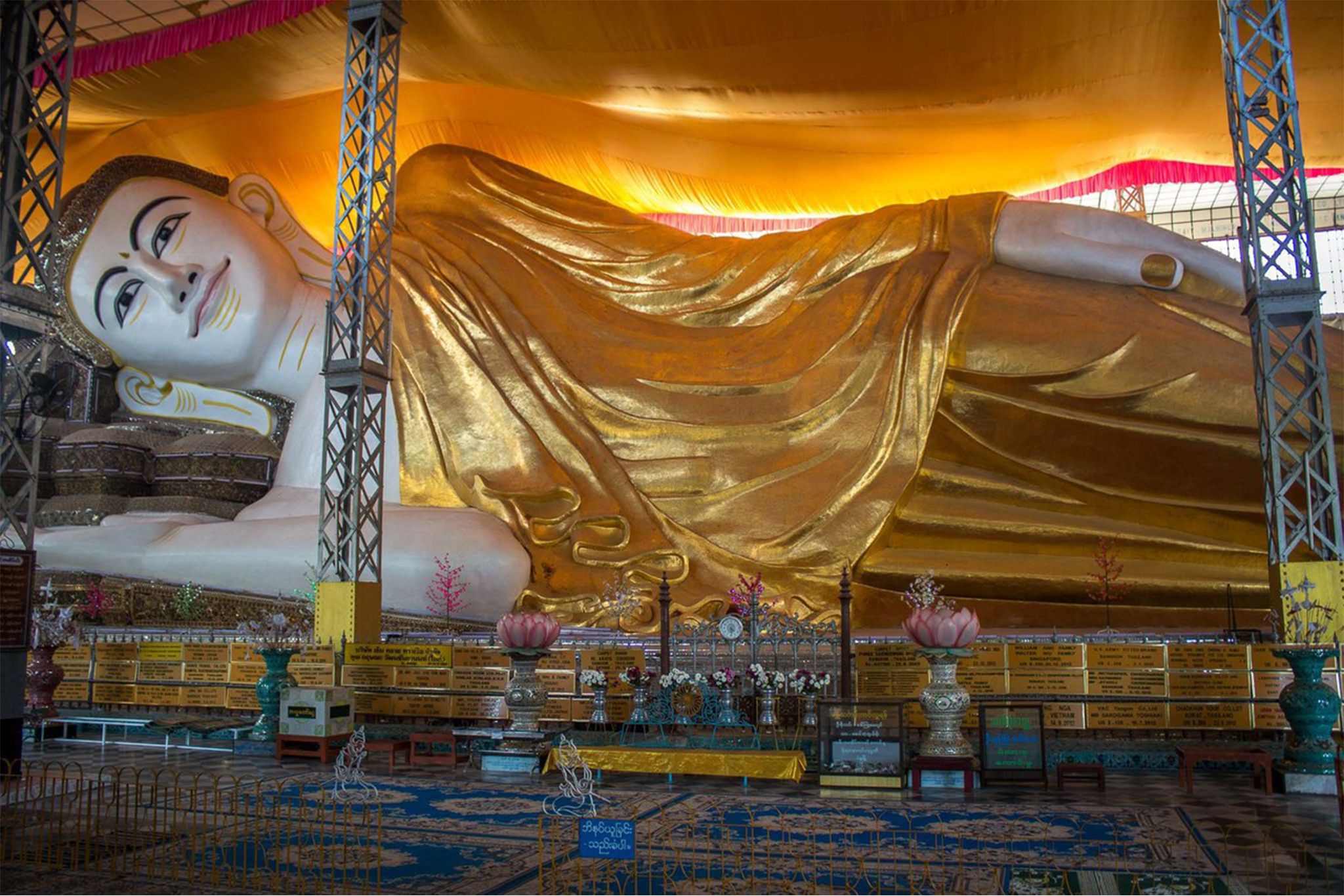
Myathalyaung Pagoda
Myathalyaung reclining Buddha image located near Shwethalyaung image is bigger than the latter. Myathalyaung image was a rebuilt one on the original hillock. Its original title was Naungdawgyi’s image. It was named by hermit U Khanti because Myathalyaung was located in upper side of Shwethalyaung image and was larger than Shwethalyaung image. Hermit U Khanti built religious edifices in Bago including the iron stairway connected between Hinthagon Pagoda and Shwemawdaw Pagoda. While carrying out missionary tasks in Bago, the hermit renovated the hillock of the reclining Buddha image. The old hillock of Myathalyaung image seemed to have collapsed brick walls covered by bushes. The entrance to the precinct of Myathalyaung image was made of baked clay bricks based on large blocks of laterite considered as works of ancient Mon culture.
Shwemawdaw Pagoda
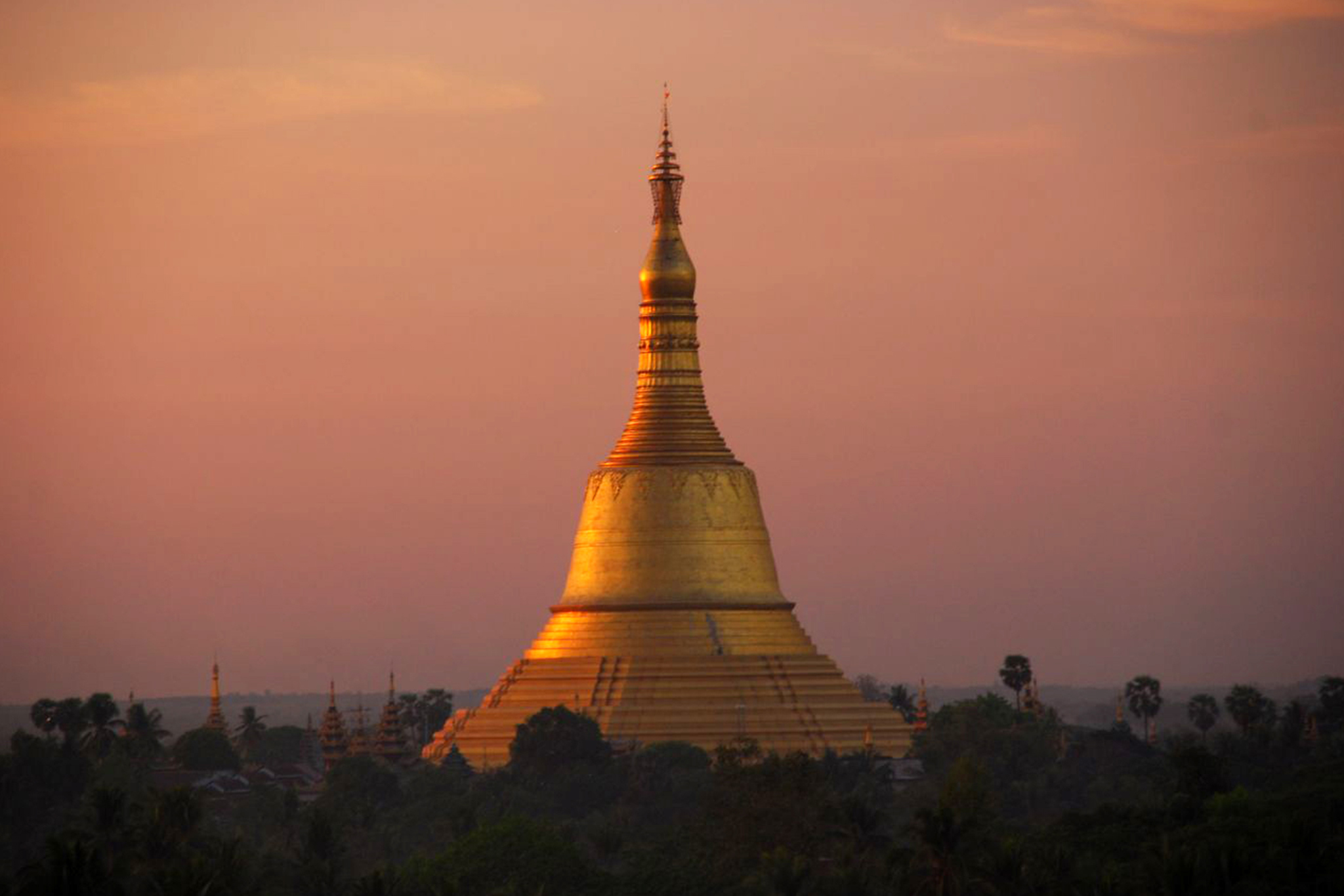
The Shwemawdaw Pagoda is the tallest pagoda in Burma. With its height of 114 meters it is 15 meters taller than the Shwedagon Pagoda in nearby Yangon. The impressive Shwemawdaw, which translates to “Great Golden God” was built by the Mon people over a thousand years ago. It is one of Burma’s most sacred sites, because it enshrines several relics of the Buddha. The towering pagoda glittering in the sun can be seen from miles around. The grounds are peaceful and not much visited by tourists. Over the centuries, the pagoda has been rebuilt and enlarged several times, as a result of the destruction caused by earthquakes. Two huge Chinthe, mythological animals that look like a lion stand guard at the entrance of the temple grounds. Numerous small pagodas are placed at the base of the 114 meter tall Shwemawdaw. The pagoda is topped with a diamond studded hti, a top ornament shaped as an umbrella found on most Burmese temples.
Kanbawzathadi Palace
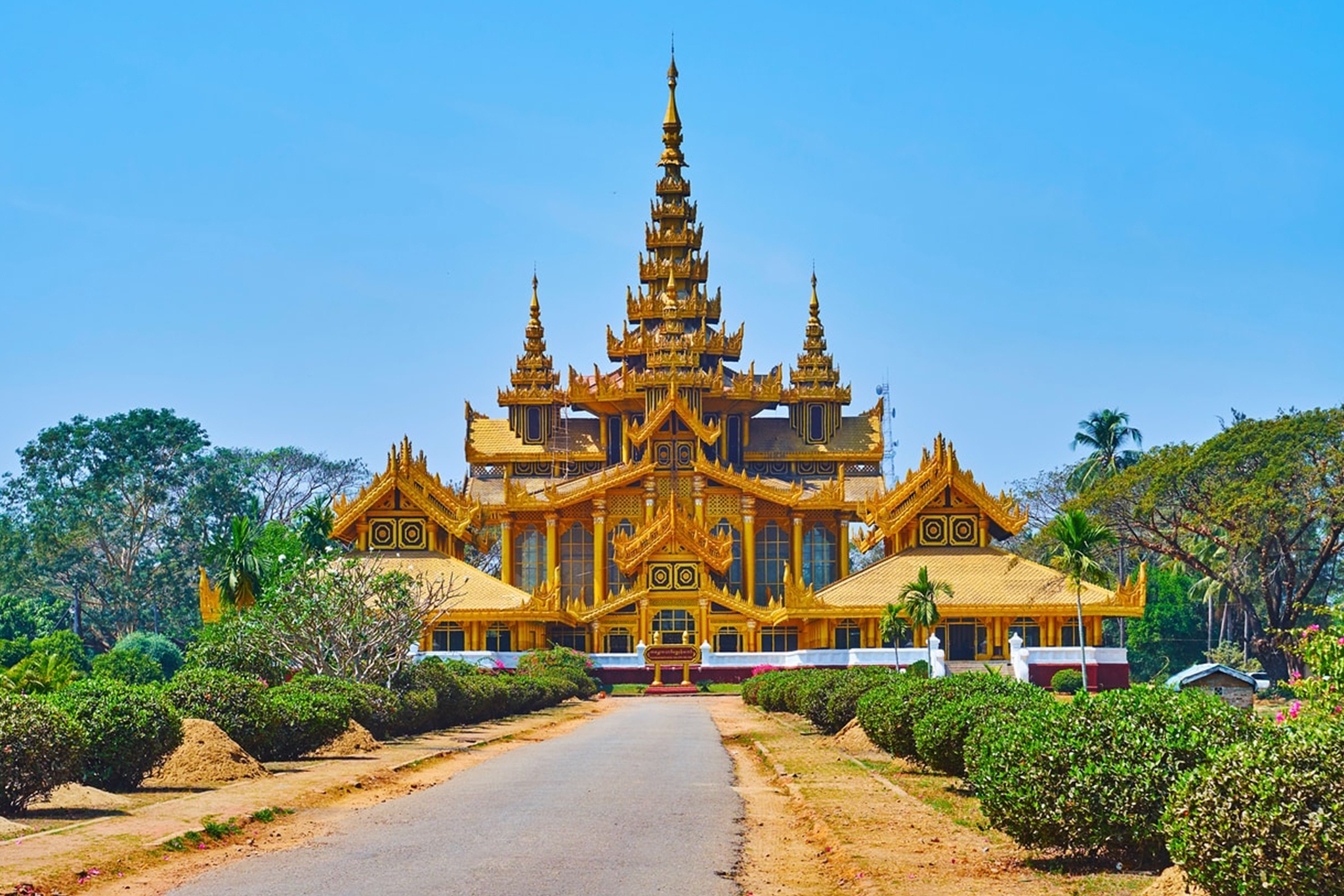
At the heart of ancient Hanthawady was the Kanbawzathadi Palace. All that remains of the original are fragments of the huge teak posts that once held up part of the building. The stumps have been left in situ, while the posts themselves occupy a museum that's a gaudy gold-painted reconstruction of the Great Audience Hall, originally dating from 1599. Another reconstructed building in the compound is the Bumble Bee Throne Hall, which was once the king's sleeping chamber. Construction of the Kanbawzathadi Palace commenced in 1553 during the reign of the Taungoo King Bayinnaung. The Tuangoo were the dynastic rulers of Myanmar from the mid 16th Century to mid 18th Century. The Taungoo dynasty was at its strongest during the reign of King Bayinnaung with an Empire which covering most of modern day Myanmar, Thailand, Cambodia, part of Vietnam, and a small part of China.
Kyaik Pun Pagoda
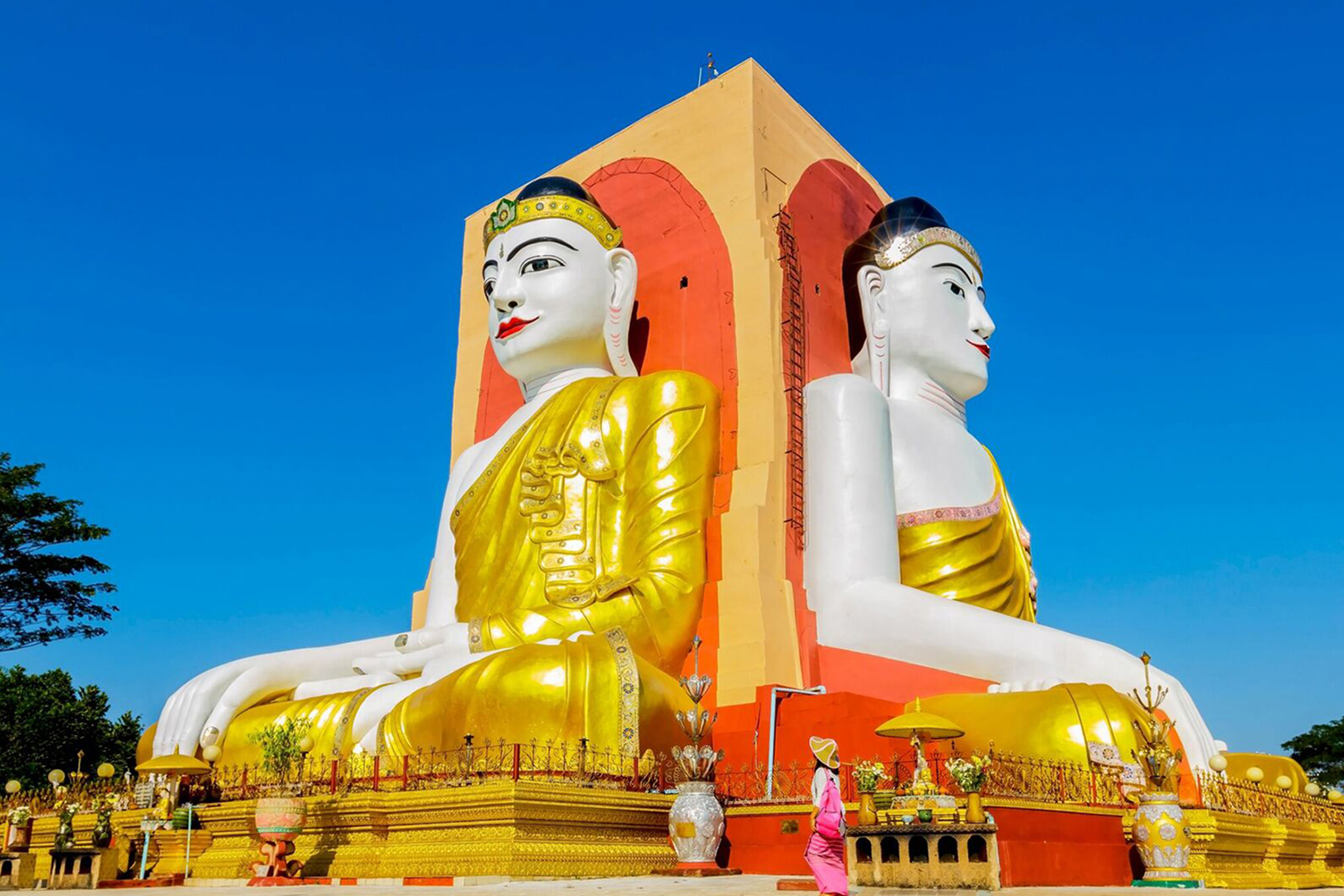
The Kyaik Pun Pagoda is a small Buddhist monastery near the town of Bago, known for its four towering images of the Buddha visible from far away. The impressive 27 meter high images are out in the open, without shelter from the elements by any covering temple structure. The Kyaik Pun Pagoda was built in 1476 by Dhammazedi, a devout Buddhist and King of the Mon Kingdom of Hanthawaddy (Pegu). The Kyaik Pun Pagoda or Kyaikpun Paya is an active place of worship; the images are highly revered by Laotian Buddhists who come to pay their respect. The images represent the four Buddhas that have reached Nirvana, namely Kassapa Buddha, Kakusandha Buddha, Konagamana Buddha and Gautama Buddha. They sit back to back facing the four cardinal directions against a massive brick square central post on top of which is a golden spire with a multi tiered ceremonial umbrella. The four seated Buddhas wear golden robes and all have slightly different facial expressions.
Local Specilities
Traditional Costume
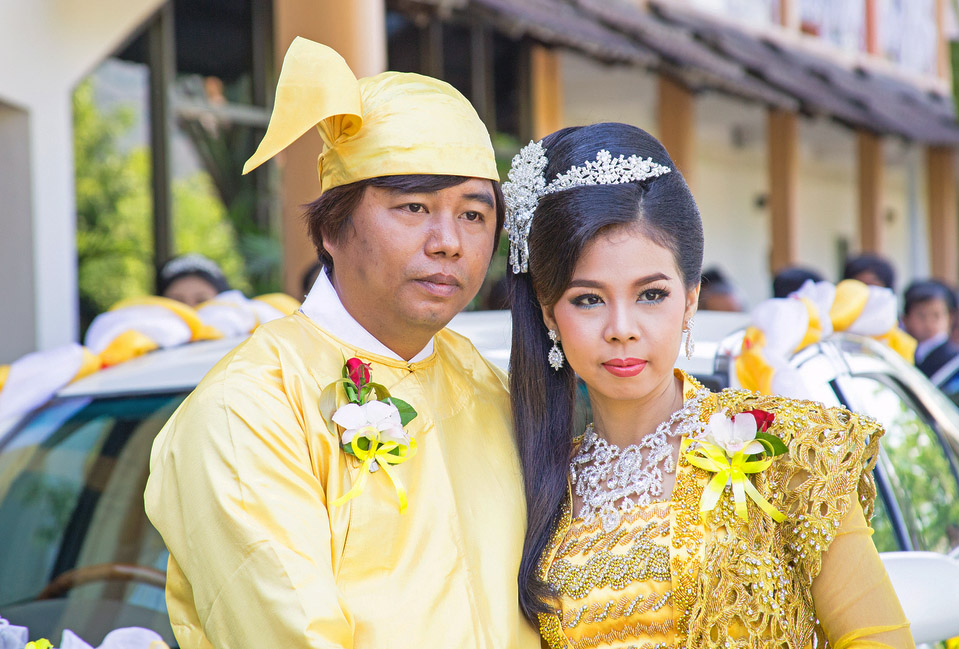
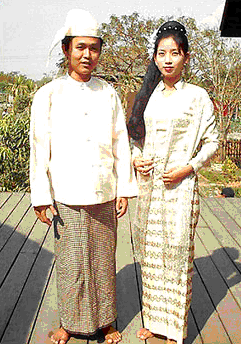
Bamar men dress in longyis, shirts without collars and traditional jackets. They also wear ready-made turbans with a wing-cloth standing to the right. Bamar women wear longyis and blouses with an opening in the front, which are buttoned either in the centre or on the side. They wear their hair in top-knots and drape lace shawls.
Burmese Rice
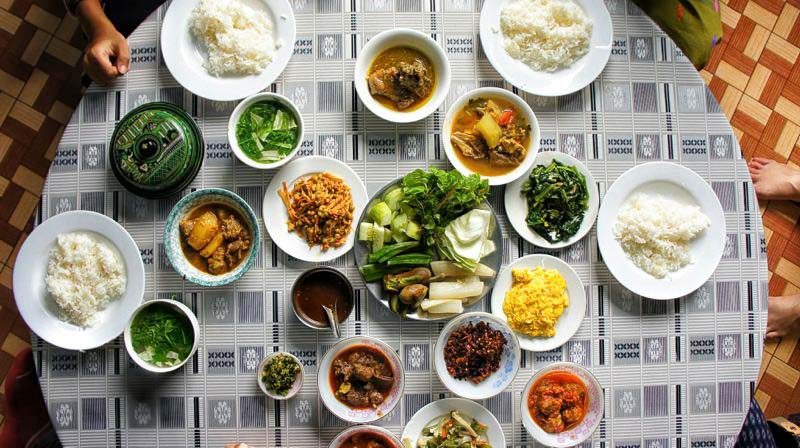
A plate of fresh vegetables, along with various condiments such as chilli powder and ground chilli peppers, are commonly eaten together with the dishes. At the end of the meal, green tea and palm sugar (jaggery) would be served.
Burmese Sweet Snack
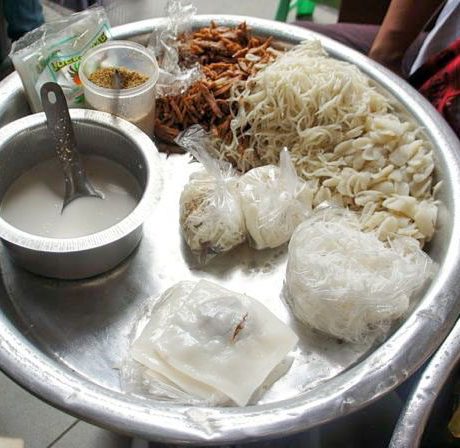
Burmese sweet snacks somehow always include grated coconut. It is essentially grated coconut with coconut milk wrapped in rice paper. The presence of coconut milk is similarly used in Thai cuisine. You could also add strands of noodles in it for a textural contrast or simply to make it a more filling snack. Think grated coconut in chee cheong fun.
Fried Tohu (Thoke)
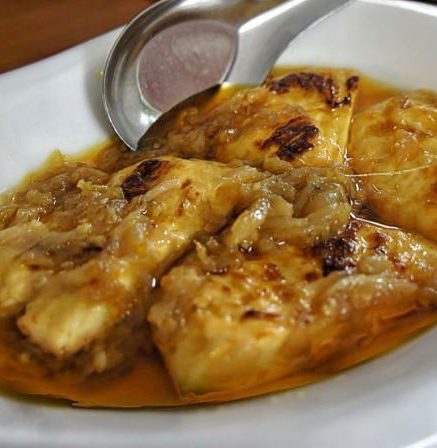
Fried Tohu (S$1.50/portion) is a true Asian fusion dish. The use of tofu and chickpea is a nod to both China and India influences. The tohu is sliced quite thickly to ensure a juicy and soft centre when pan-fried.