The People
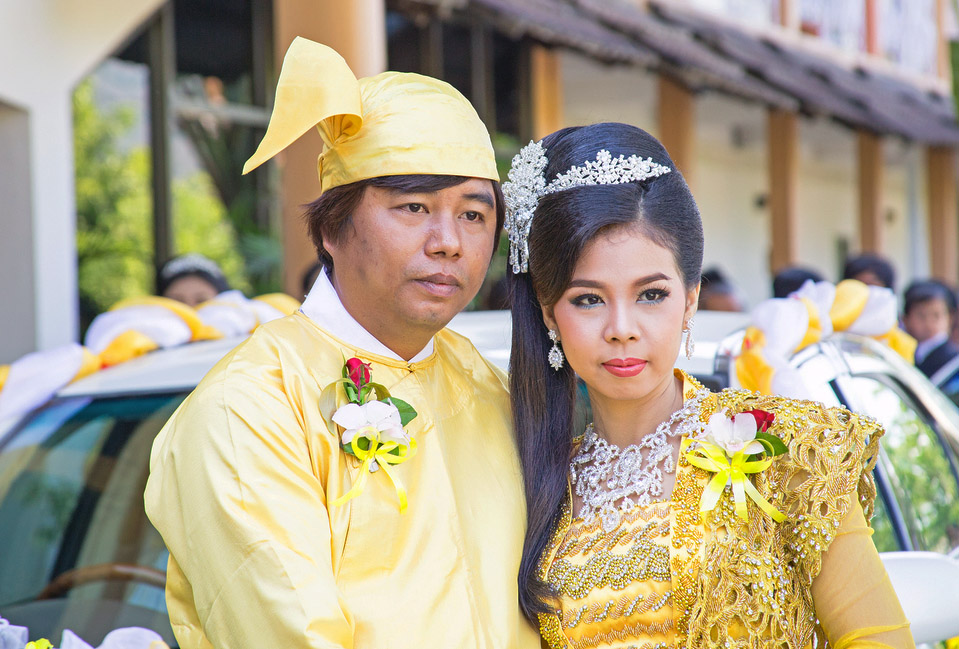
Myanmar’s majority group (around 40 million people, or two-thirds of the population), the Bamar have traditionally held sway over much of the country, particularly the fertile central plains and Ayeyarwady valley. Originally migrants from the southern China, the Bamar (or “Burmans”, as they were known in colonial times) were a wet-rice farming people, Theravada Buddhist by religion, whose tonal, Tibeto-Burman tongue – Burmese – has long been the national language.
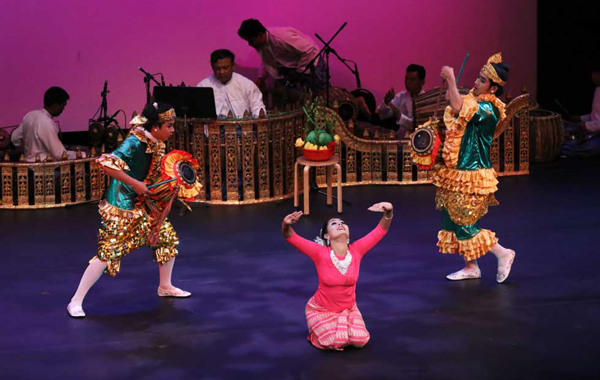
All-night performances, which combine melodrama, slapstick, traditional dance, and even pop music are called "zat pwe" in Burma. These seasonal events are staged in enclosed temporary bamboo theaters and are typically part of annual fund raising activities at pagoda festivals. The performers are traveling troupes, usually several dozen professional male and female dancers, musicians, comedians, and actors. These troupes travel widely throughout the country.
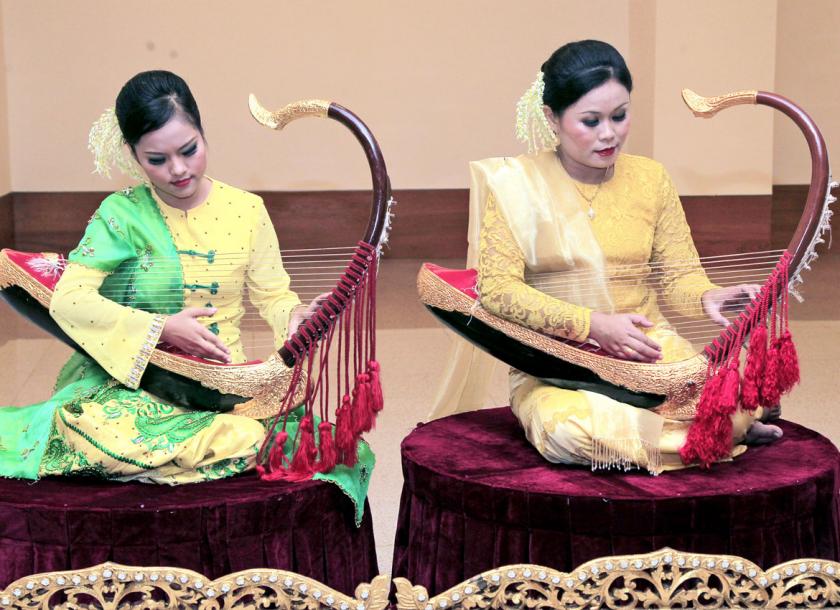
Traditional music from Burma is melodious, generally without harmony, and usually in 4/4 time (na-yi-se) or 2/4 (wa-let-se) or 8/16 (wa-let-a-myan). There are "the segments combined into patterns, combined into verses, combined into songs [that] make Burmese music a multileveled hierarchical system...The Burmese musician manipulates the various levels of the hierarchy to create the song..."
MAGWAY
The capital city of Magway Region is Magway City. In this region, excavation activities revealed fossils of primates that are more than 40 million years old, which has become the pride of the government. One of the few Pyu cities listed as a UNESCO World Heritage Site can be found in Magway. Locals living near the Ayeyarwady River use the river as their main transportation system, but those who live away from the river use the road as their major way of transport. Magway is a region packed with beautiful nature and meaningful heritage. Tourists get to enjoy learning about the country and its main religion (Buddhism) by visiting religious sites that showcase amazing architecture and sculpting work.
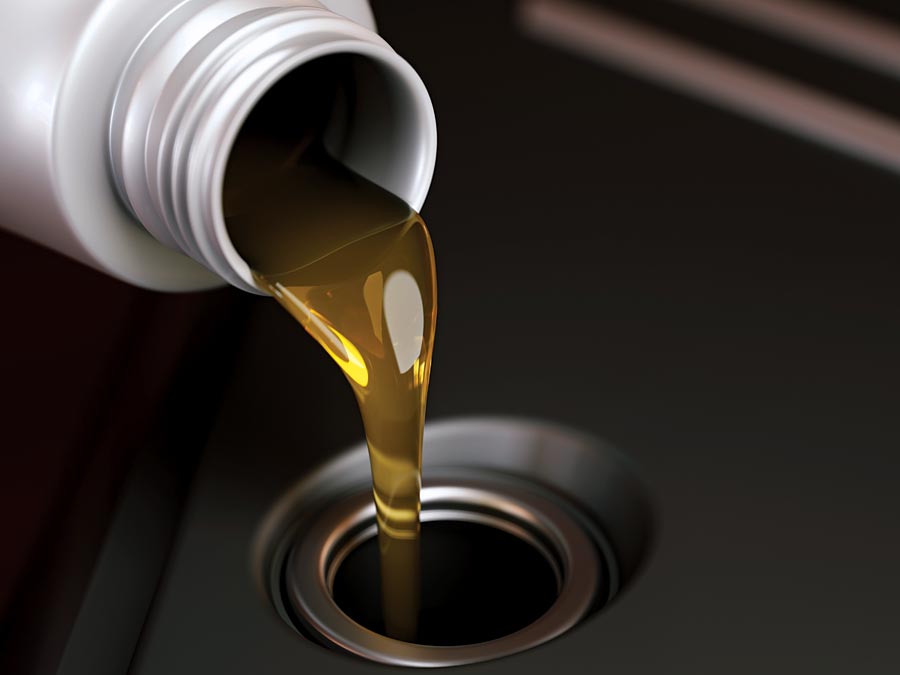
The principal product of Magway Region is petroleum. It produces most of the oil and natural gas in Myanmar.
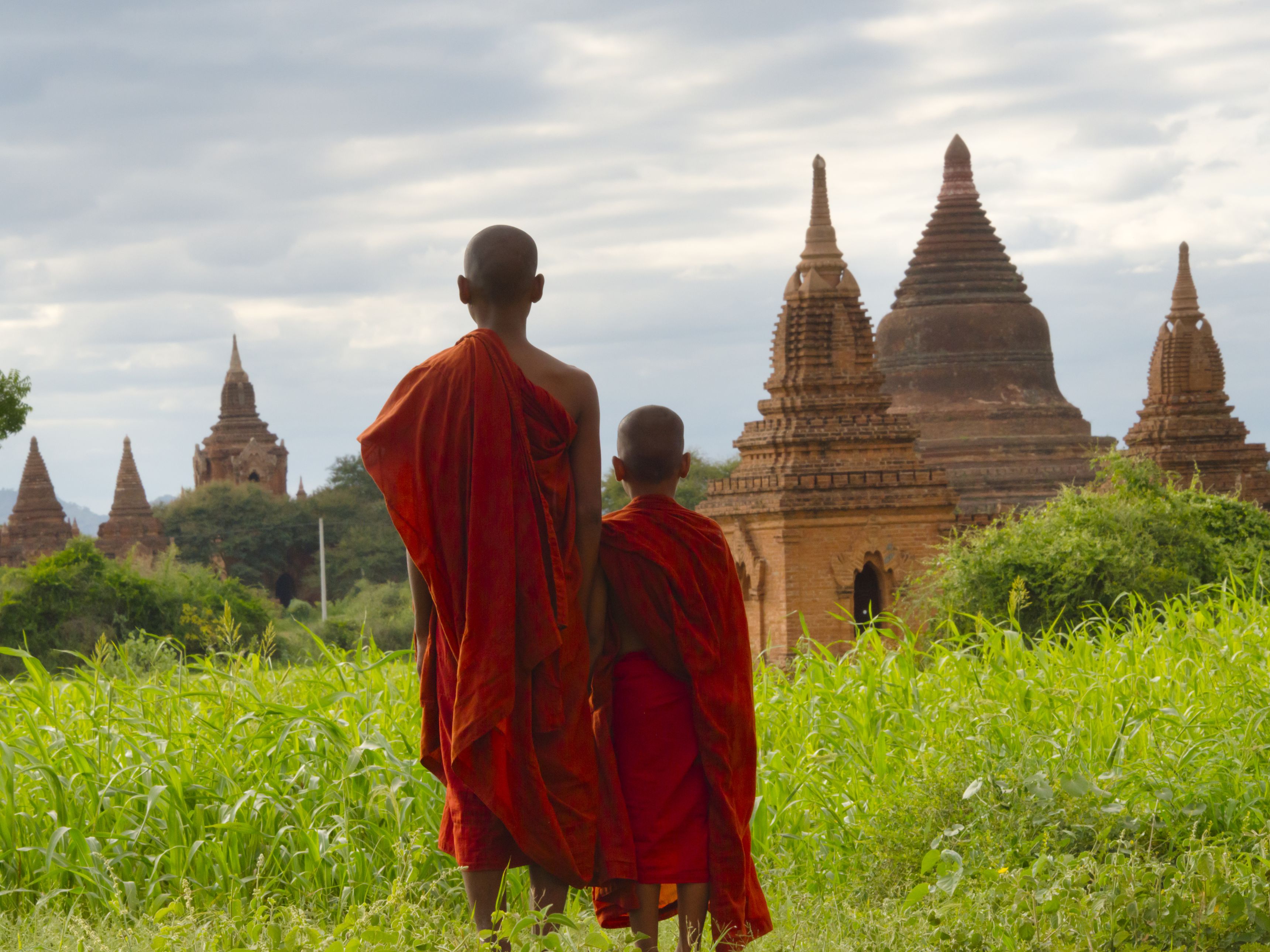
The majority in Magway region follow Theravada Buddhism.
The majority in Magway, Bamar people speak Burmese, a Sino-Tibetan language.
Shwe Gu Ni Pagoda
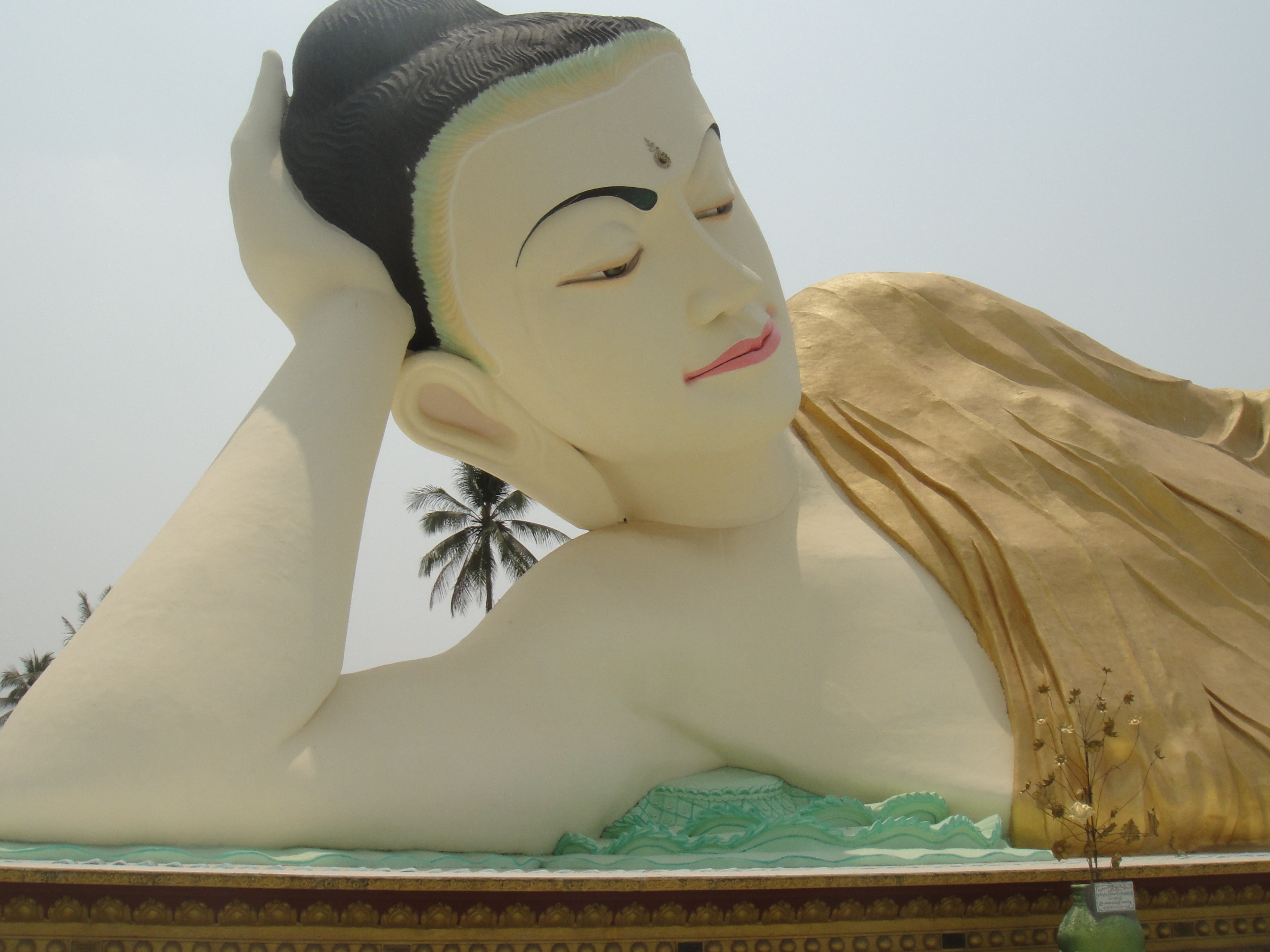
Shwe Gu Ni Buddha Image lies in Kyaukka village ten miles east of Monywa Township in Sagaing Division. It was one of the 34.000 pagodas built by King Thin Dharnma Thawka. At that time Kyaukka was known as Kyaukthan and it was known as Myo-Oo Athawka pagoda at the head of the city. A new pagoda was built on top of it by the King of Kyaukka under the reign of King Mingaung Gyi of Innwa in 762. It was then known as Kyaukka Shwegu Pagoda. In 1000 under King Thalun. the pagoda was damaged and the original pagoda was retraced and built anew by Ashin Nyana Myinzu. the Sayadaw of Kyaukka. It was then known as Kyaukka Shweguni. In 1189. under King Bagyidaw Phannanshin. the Sayadaw of Kyaukka rebuilt it to be 34 cubits at its base and 72 cubits in its height up to the diamond bud. In the cave is a reclining pagoda four cubits high.
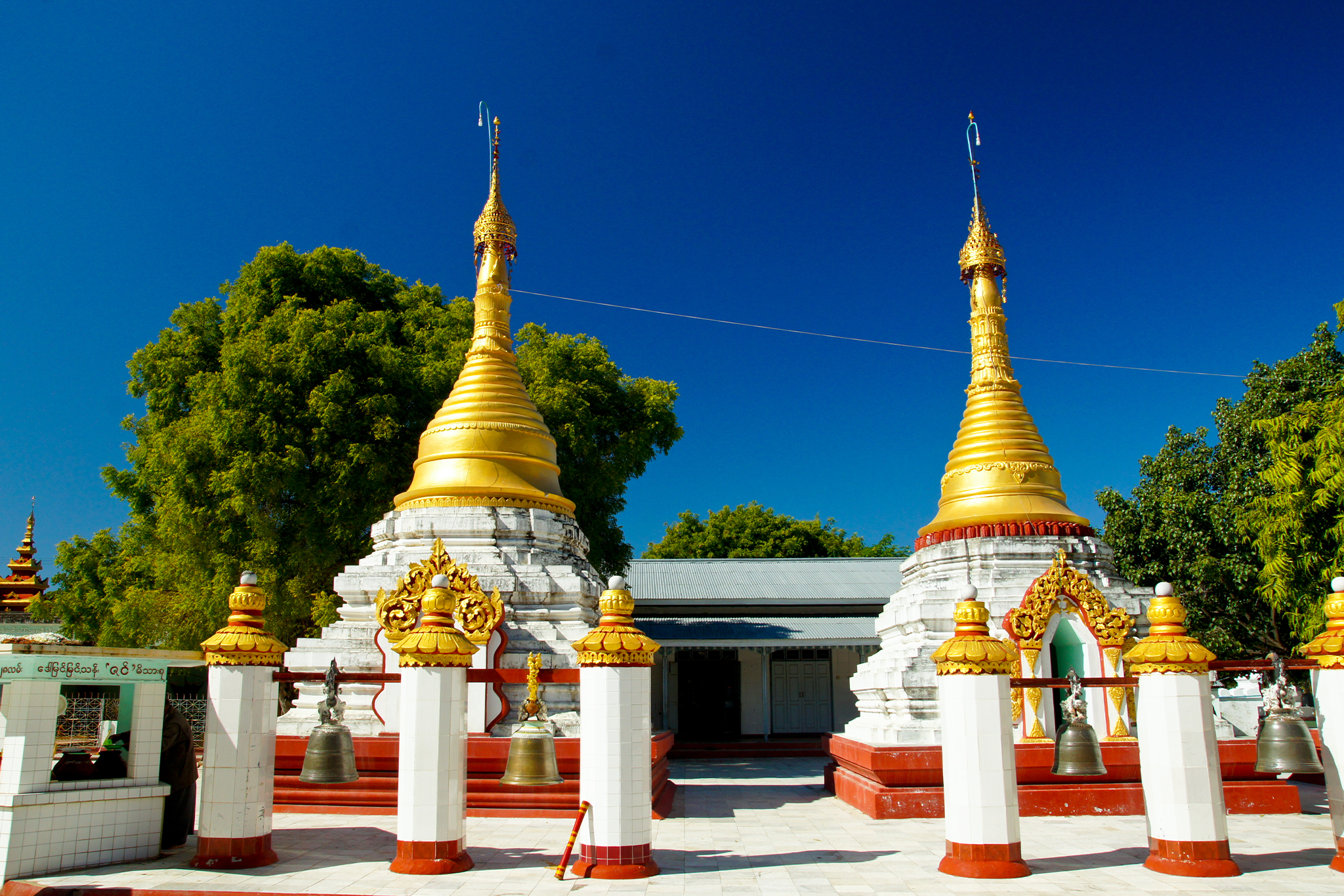
Tant Kyi Taung Pagoda
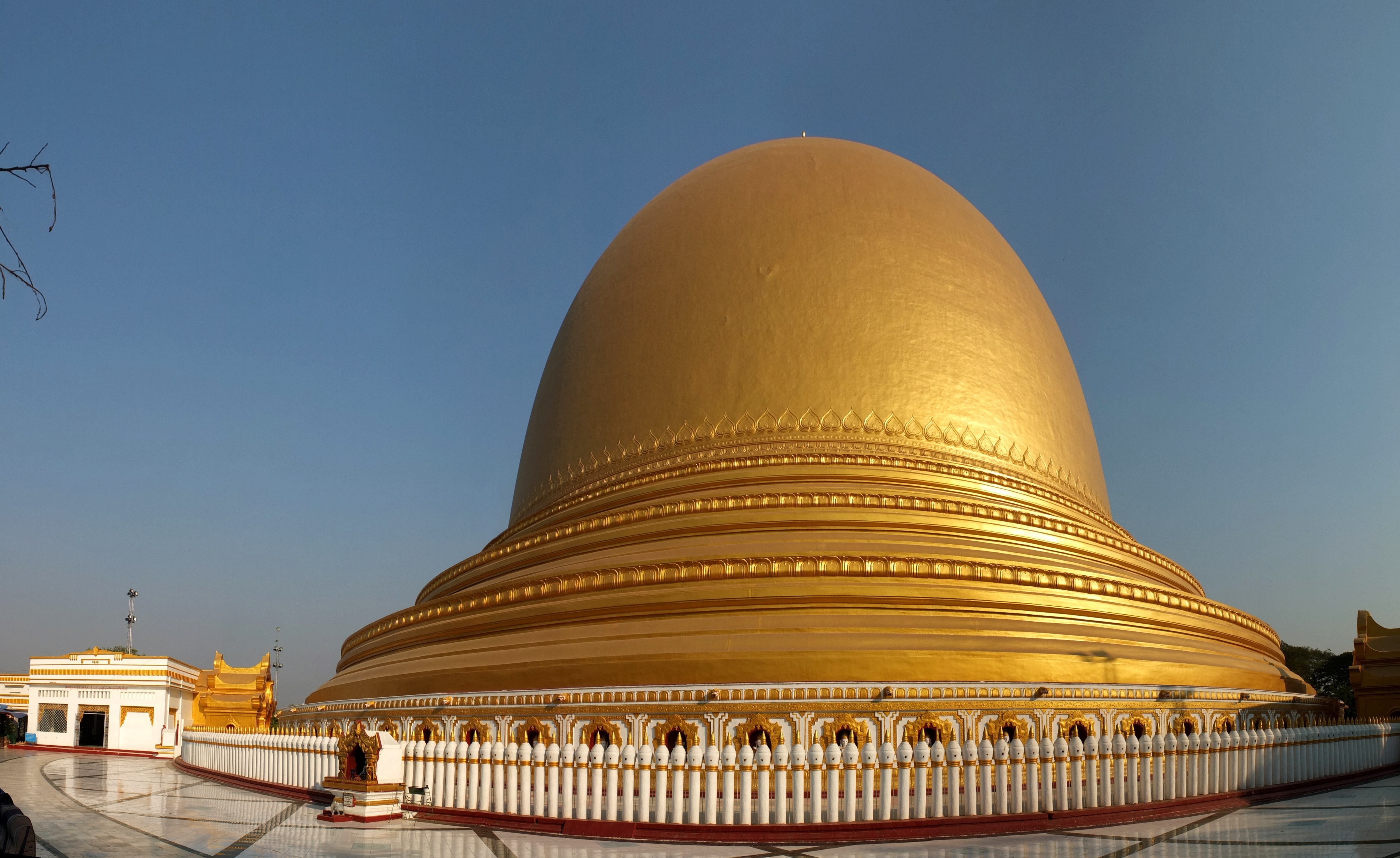
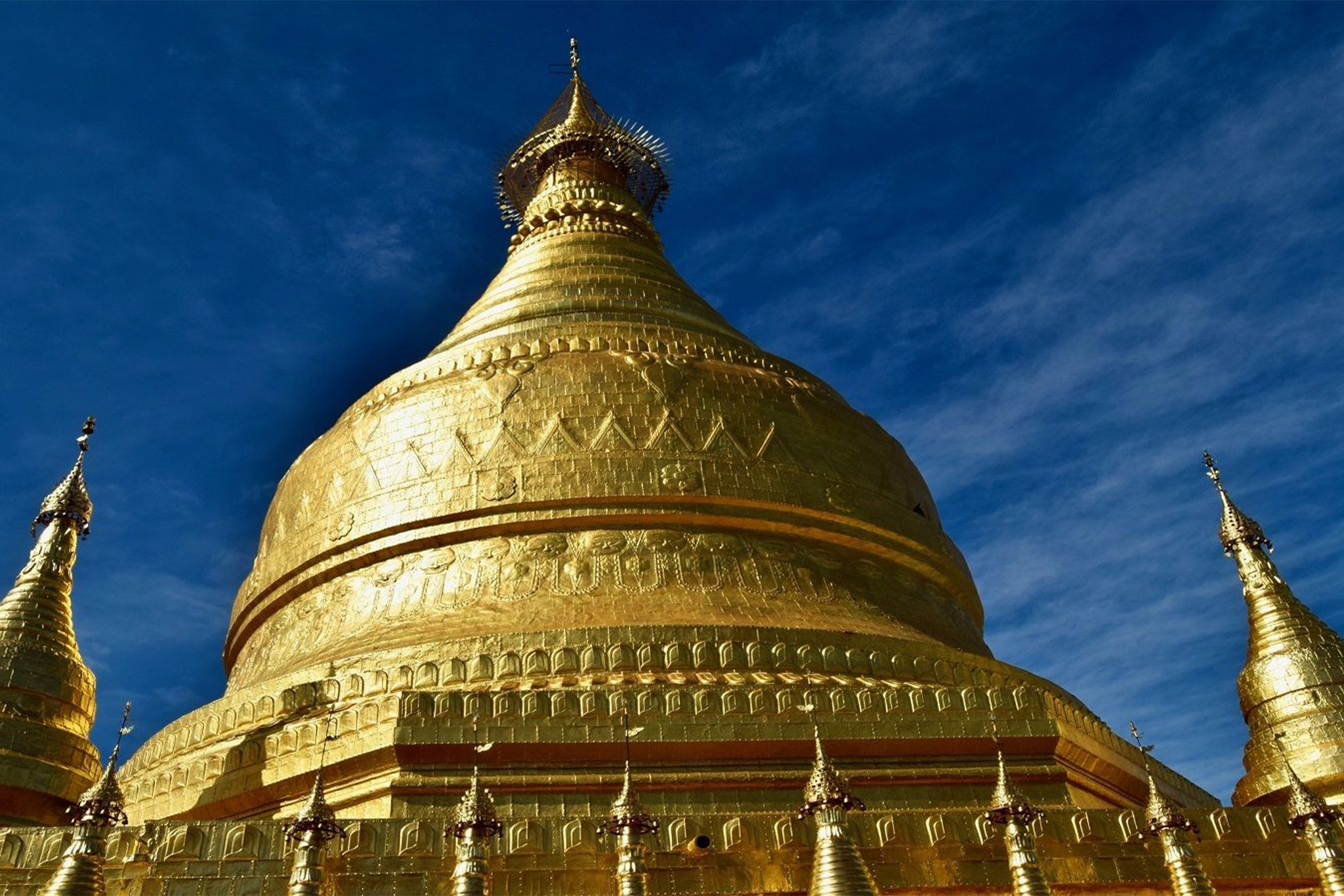
This is a prominent Buddhist pagoda located close to historic Bagan City which was created by King Anawrahta in 1059 AD. It is believed to have up 4 tooth relics of Gautama Buddha. It has an image of Buddha, a statue of Ananda, and a forest guardian as main attractions, and also there are so many things to see in and around this pagoda. It enshrines a replica of a tooth relic of the Gautama Buddha. It has astatus of Ananda ,forest guardiaN and the high is 90 feet (27 m) high with the base of 60 feet (18 m). Buddhist temple is the place of worship for Buddhists, the followers of Buddhism. They include the structures called vihara, stupa, wat and pagoda in different regions and languages. Temples in Buddhism represent the pure land or pure environment of a Buddha.
Sasanayaunggyi Kyaung
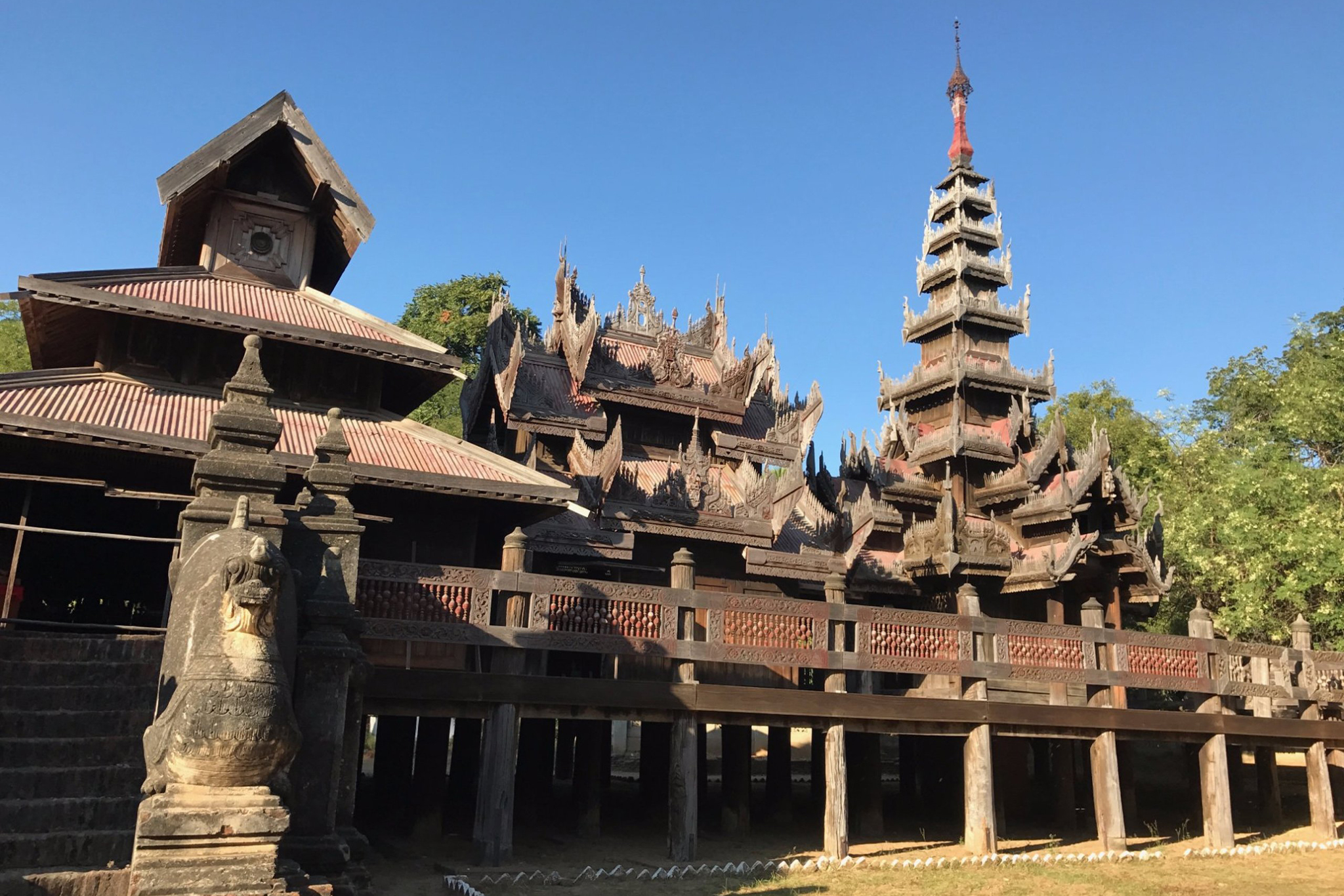
Drive out of Bagan toward Chauk, a petroleum port in Magway region for the Singu – Chauk oil fields. Explore the local market and observe the lifestyle of the local people. From there, continue to drive to Salay. Visit Yokesone Monastery, a 130-year-old heritage site that is the oldest surviving wooden monastery hall, built on 154 teak posts with beautiful wood carvings decorating the outer walls. Continue to Payathonzu, a complex of three brick shrines with mural paintings from the Bagan period, and see Man Paya – a large lacquer Buddha image, said to date from the 13th century. Nearby is Sasanayaunggyi monastery, featuring a lovely 19th century glass armoire with painted Jataka panels and 400-year-old Pali scriptures inside. The next stop on the tour is the 130-year-old monastery, Yokesone Kyaung, which is situated on the eastern bank of the Ayeyarwaddy River, a cultural valued heritage site in Salay.
Myathalun Pagoda
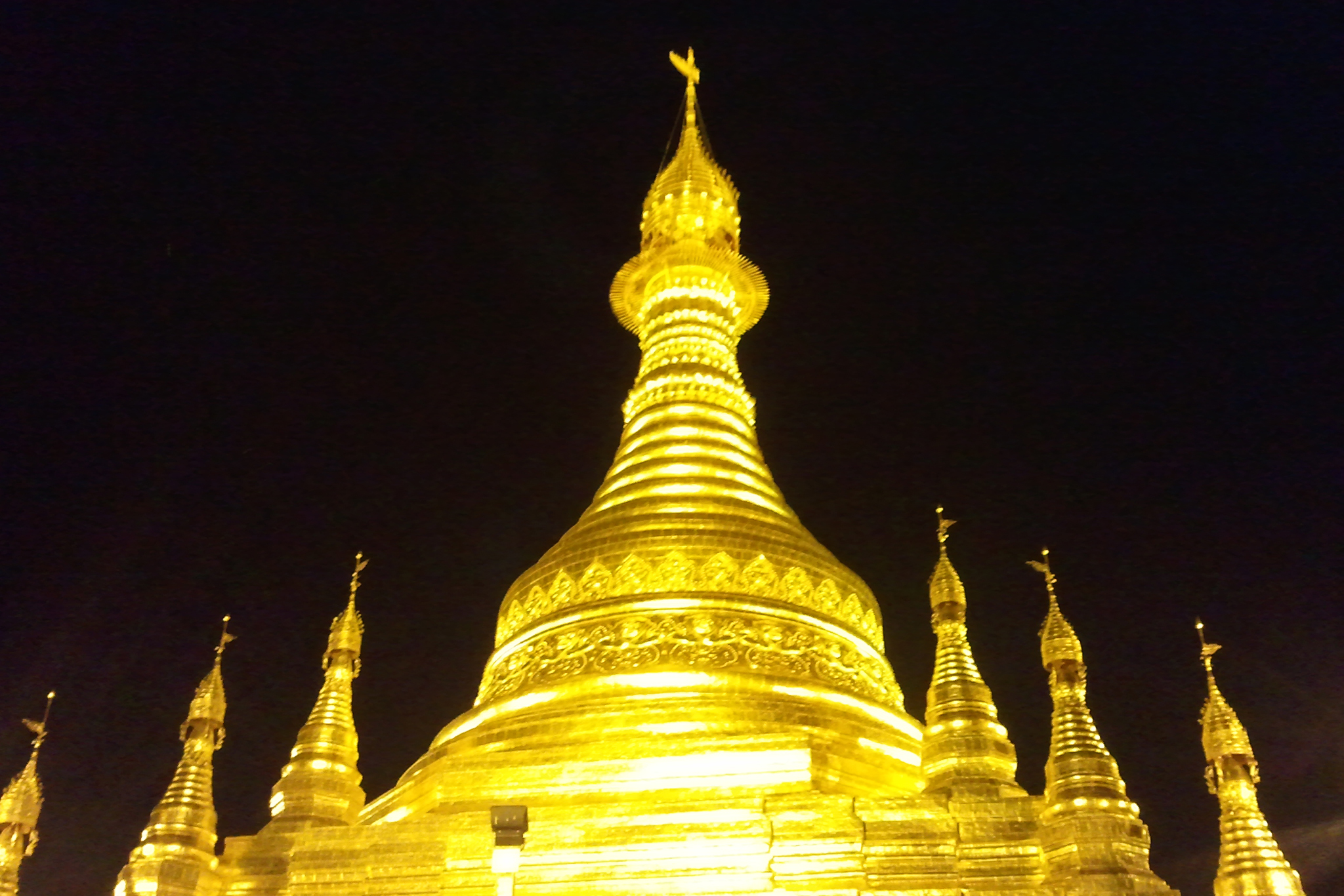
Steaming into Magwe, the riverine traveller is greeted by the sight of the Myathalun Pagoda glinting serenely from the summit of the Naguttama hillock hard by the bank of the Ayeyarwaddy River. Being one of the greatly venerated shrines, and also because Magwe lies midway between the upcountry and the lower parts, its annual festival has served as a great fair for the exchange of local goods. According to legend the original pagoda had a height of about 55.5 feet (16.9 m) and was built by U Baw Gyaw and his wife the daughter of a certain Maha Bawga, a man of great wealth with an official title. King Saw Lu (1077-1084) of Bagan encapsulated the original pagoda and raised it to a height of 87 feet (26.5 m). In 1847, it was destroyed by an earthquake and rebuilt by the mayor of the town Min Din Min Hla Kyaw Gaung. The pagoda was rebuilt to the present height of approximately 104 feet (31.7m).
Fort Minhla
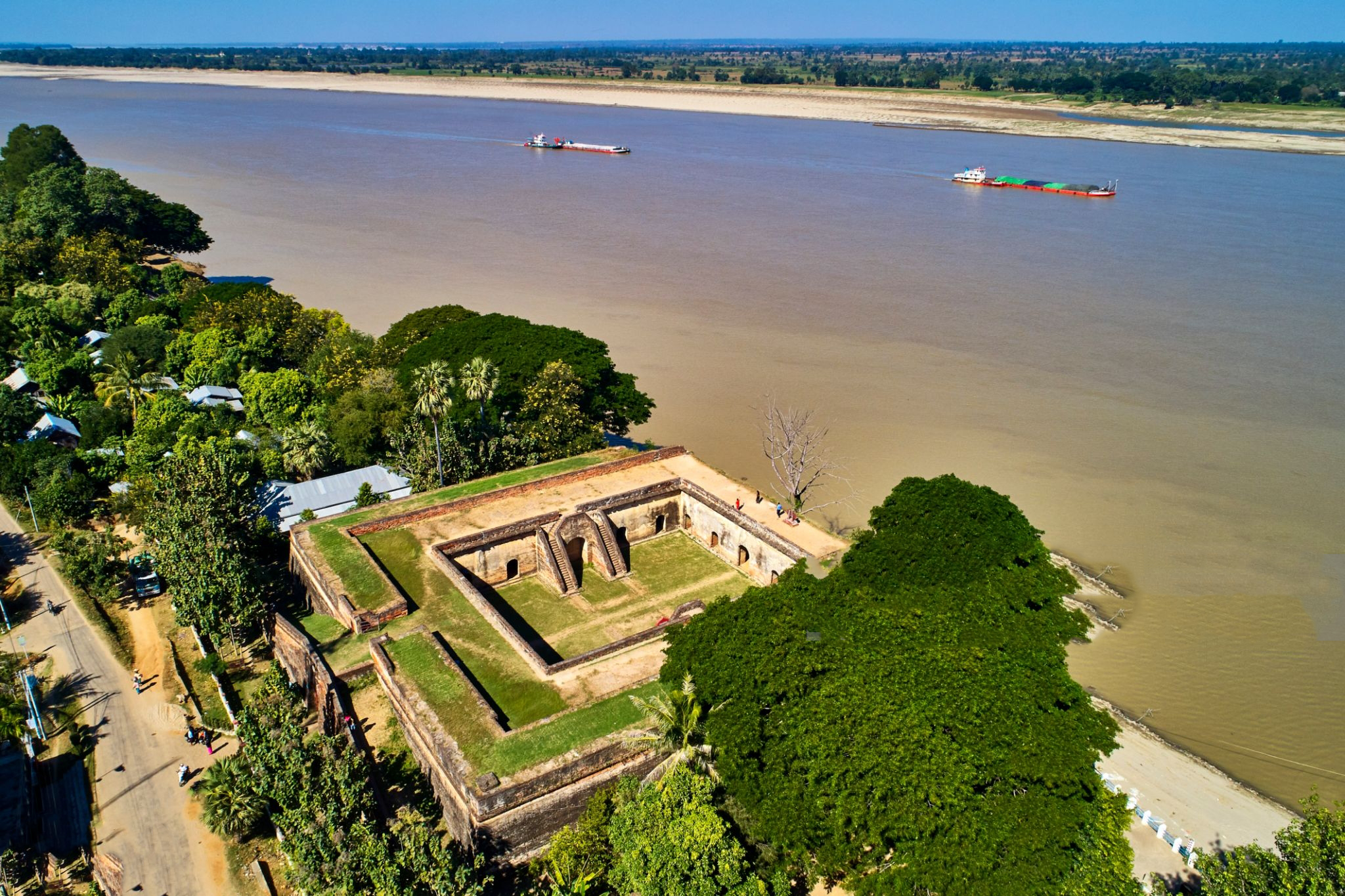
MIN HLA, Magwe Region — The dusty roads and high temperatures at Min Hla, a small town in Magwe Region resting on the west bank of the Ayeyarwady River, recall any other central Myanmar locale. After the Second Anglo-Burmese War in 1852, the British had annexed all of lower Myanmar, including Yangon and Bago. In 1854, British troops were deployed at Thayat, about 60 miles south of Min Hla and close to territory still held by the Myanmar kingdom. The Royal Palace took this as a sign of another impending invasion and Crown Prince Kanaung, the younger brother of King Mindon, began preparations to establish forts at Min Hla and Kway Chaung on opposing banks of the Ayeyarwady River in 1860. Now more than 150 years old, the gigantic red brick Min Hla fort on the river’s edge, built with the assistance of two Italian engineers, Commotto and Molinari, is a lasting relic of an era of upheaval.
Local Specilities
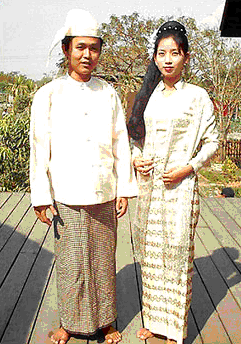
Traditional Costume
Bamar men dress in longyis, shirts without collars and traditional jackets. They also wear ready-made turbans with a wing-cloth standing to the right. Bamar women wear longyis and blouses with an opening in the front, which are buttoned either in the centre or on the side. They wear their hair in top-knots and drape lace shawls.
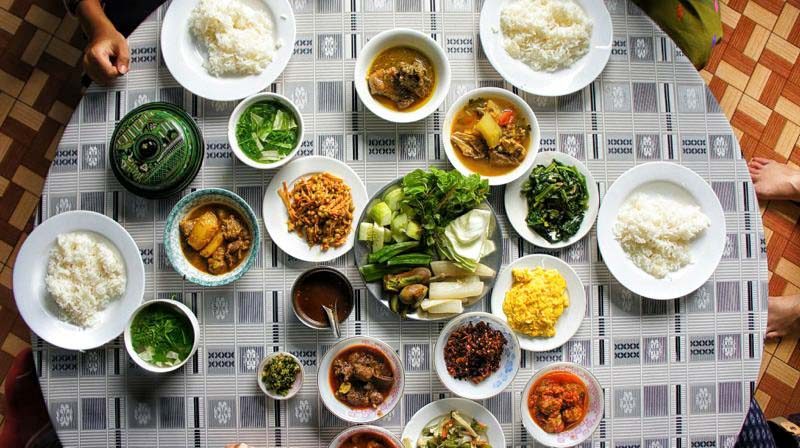
Burmese Rice
A plate of fresh vegetables, along with various condiments such as chilli powder and ground chilli peppers, are commonly eaten together with the dishes. At the end of the meal, green tea and palm sugar (jaggery) would be served.
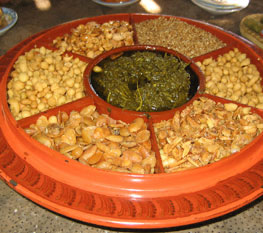
Tea Leaves salad
Pickled tea leaves salad is a dish which plays an important role at social and religious occasions throughout the country. Whenever people gather at someone’s home or at a tea shop, they usually expect to enjoy this cold dish together with their hot green tea.
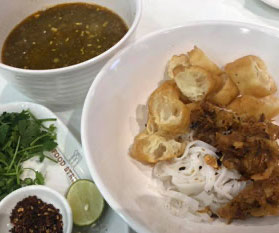
Mohinga
Ubiquitous Mohinga is a type of fish soup with thin rice noodles, banana stem and perfumed with lemongrass. It is served with crispy fried bean fritters, boiled egg and coriander if you like. It is Myanmar’s traditional breakfast but is also taken as a snack which people love to eat throughout the day.