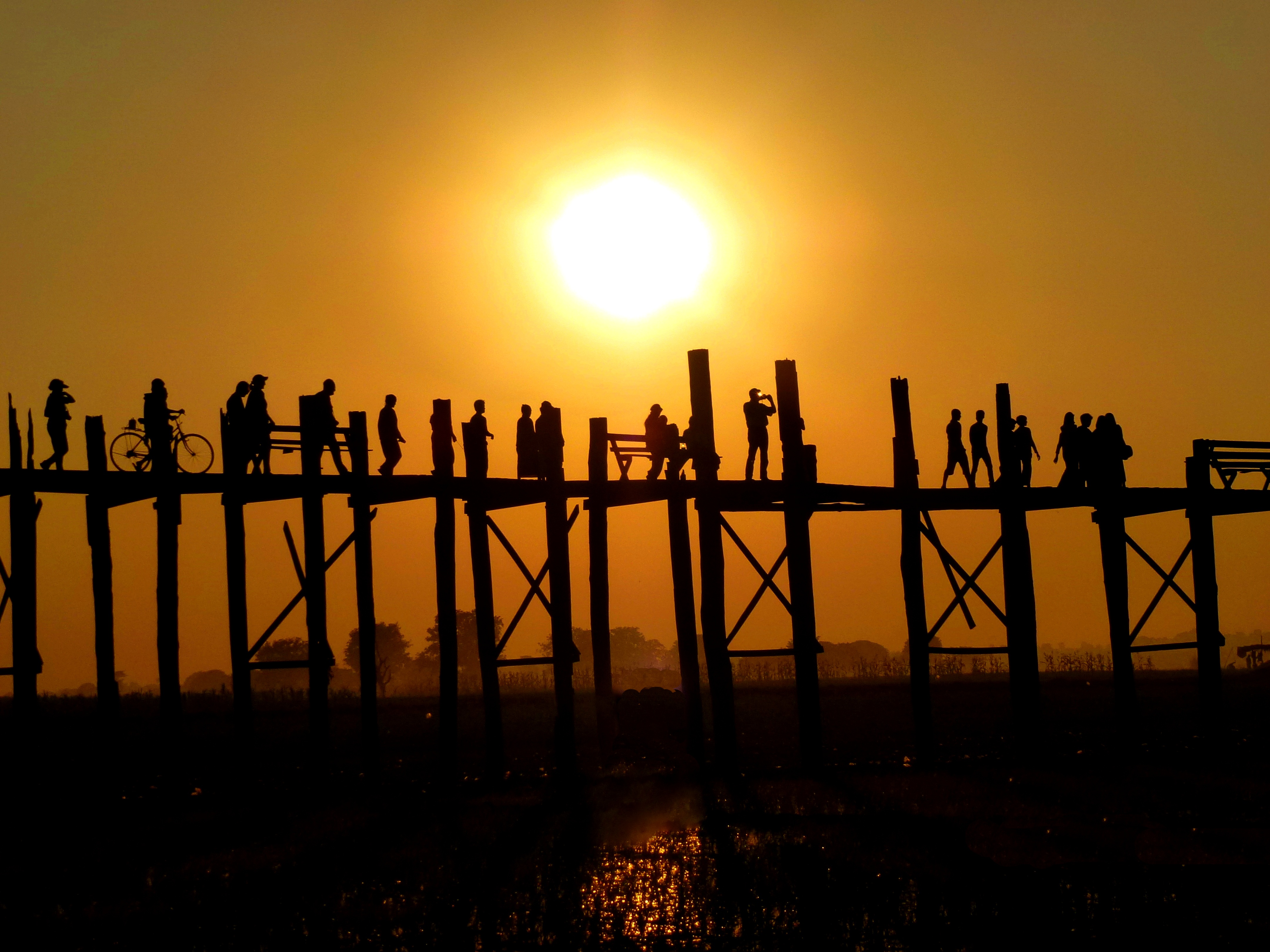
The People
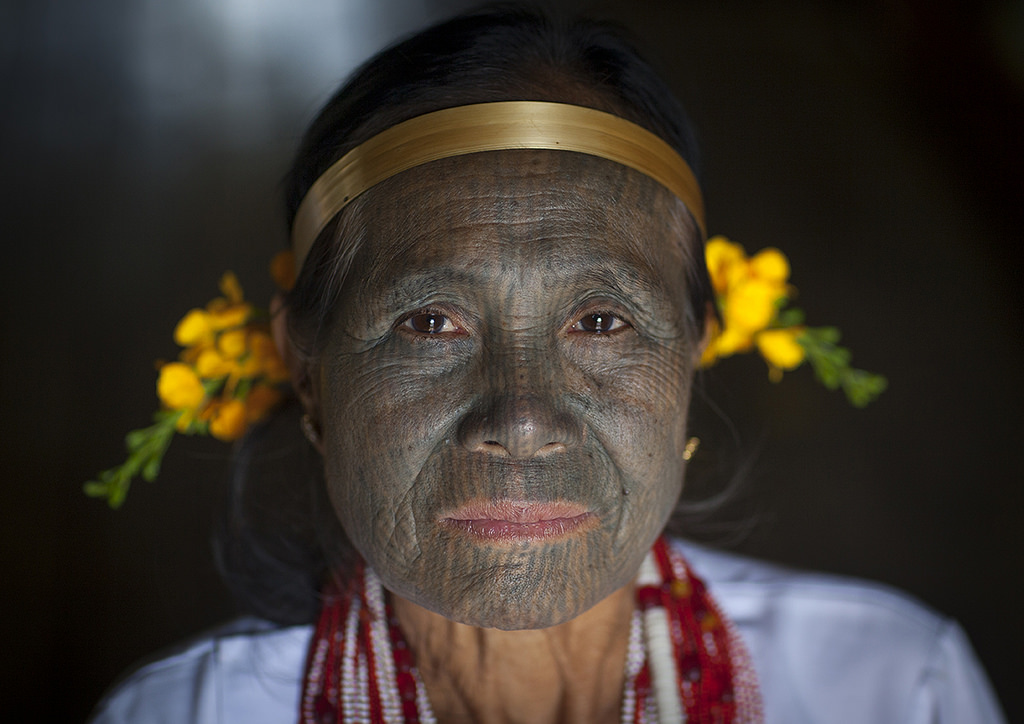
The Chin people are one of the major ethnic nationalities in Burma. They are one of the founding groups (Chin, Kachin, Shan, and Myanmar) of the Union of Burma. Chin is the primary ethnic group of the Chin State, who have many related languages, cultures, and traditions. Of Myanmar’s over 130 ethnic groups, more than 50 are Chin, and in the past the women of each tribe would wear distinct tattoo designs.
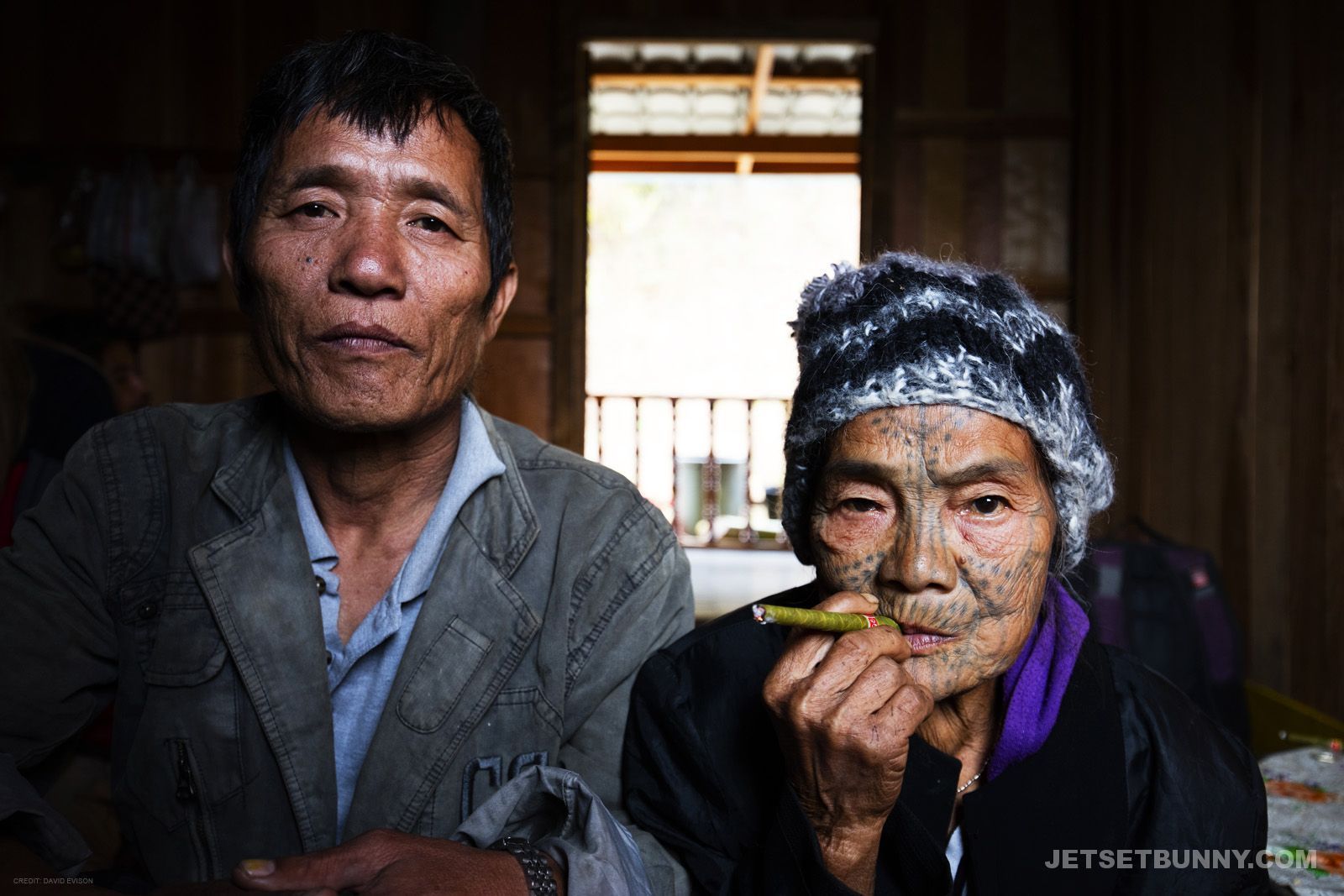
Renowned for their beauty, the people are best known for the women’s elaborate facial tattoos. Full facial tattoos became part of Chin culture nearly a thousand years ago, re-defining traditional beauty ideals in the region. It is however a vanishing trend these days as many younger Chin women choose to opt out of this old tribal tradition.
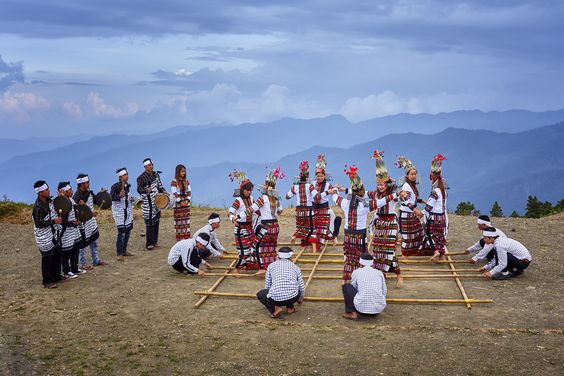
Chin state boasts different styles of traditional group dances. The bamboo dance plays an important role in the Chin culture. The dance is rendered in the ceremonial functions such as Chin National Day, Chin Harvest Festival, Crops Festival, etc. Since ancient times, the Chin forefathers have engaged in the practice of performing this dance to welcome the distinguished guests.
CHIN
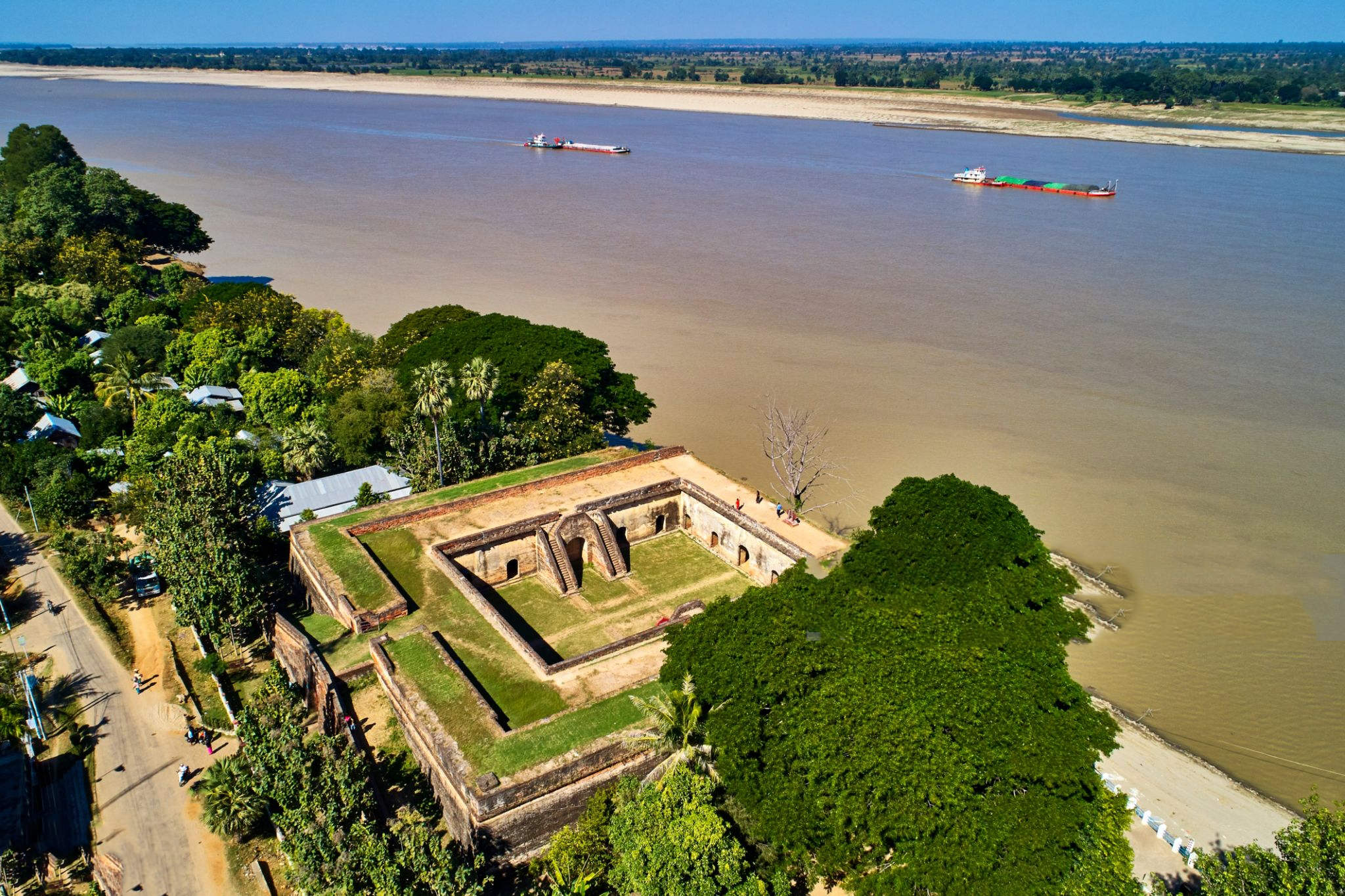
Located at the western side of Myanmar with Hakha as its capital, the Chin State/Chin Hills stands tall at 3,053 metres, attracting mountaineers and hikers to visit Chin. The state is bordered by the Rakhine State, Bangladesh, Sagaing Region, Magway Division, and India. It is best for tourists to travel to Chin from Bagan all the way to Mindat, the entrance gateway to Chin. Mindat can be reached via a boat ride along the Ayeryarwaddy River, passing Kanma, Pauk, and Kyaukhtu. Tourists can then enjoy a drive up to Mount Victoria, the highest peak of Chin Hills. The roads are cut along mountainsides and alleys, providing tourists with a picturesque view of the state’s scenery.
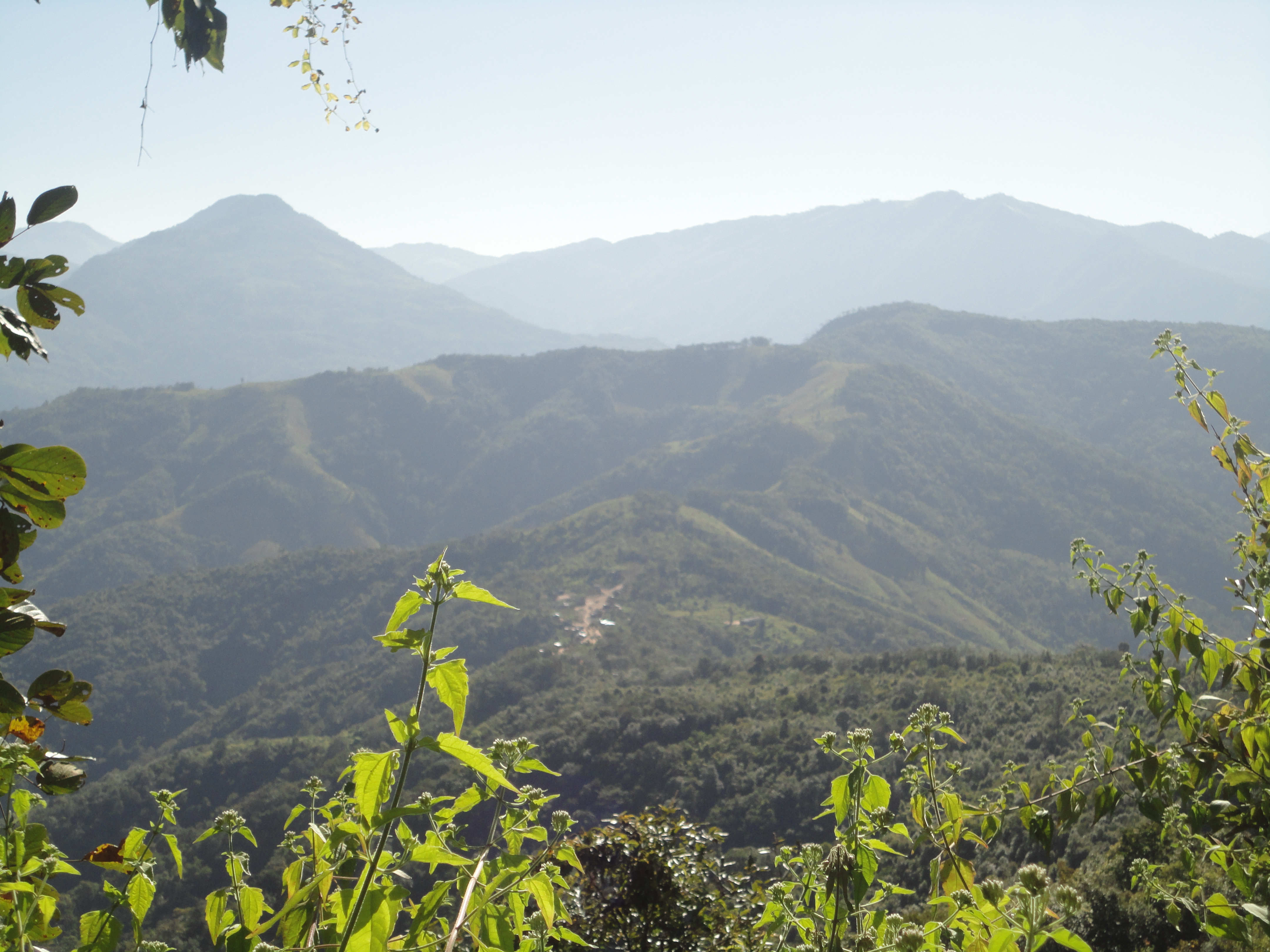
Chin Hills region is the most preserved, most original, and most beautiful place with natural beauty and plenty of cultural heritages in Myanmar.
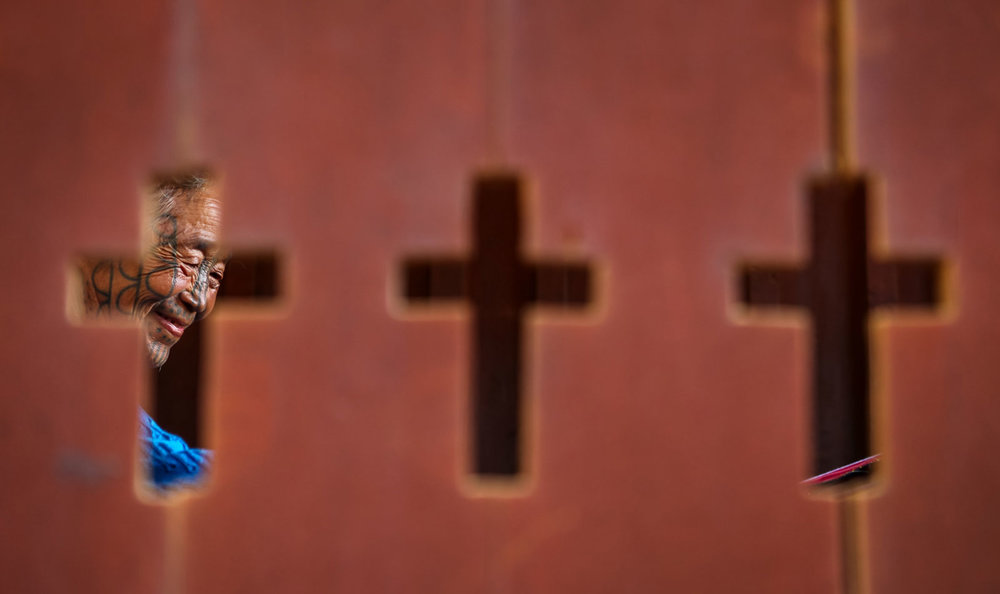
The majority of Chins today are Christians, with most belonging to Protestant denominations, especially Baptist.

The Chin are made up of many different ethnic groups, who speak 20 to 25 languages that are not mutually intelligible, but can be divided into four groups based on linguistic similarity.
Natmataung Mountain
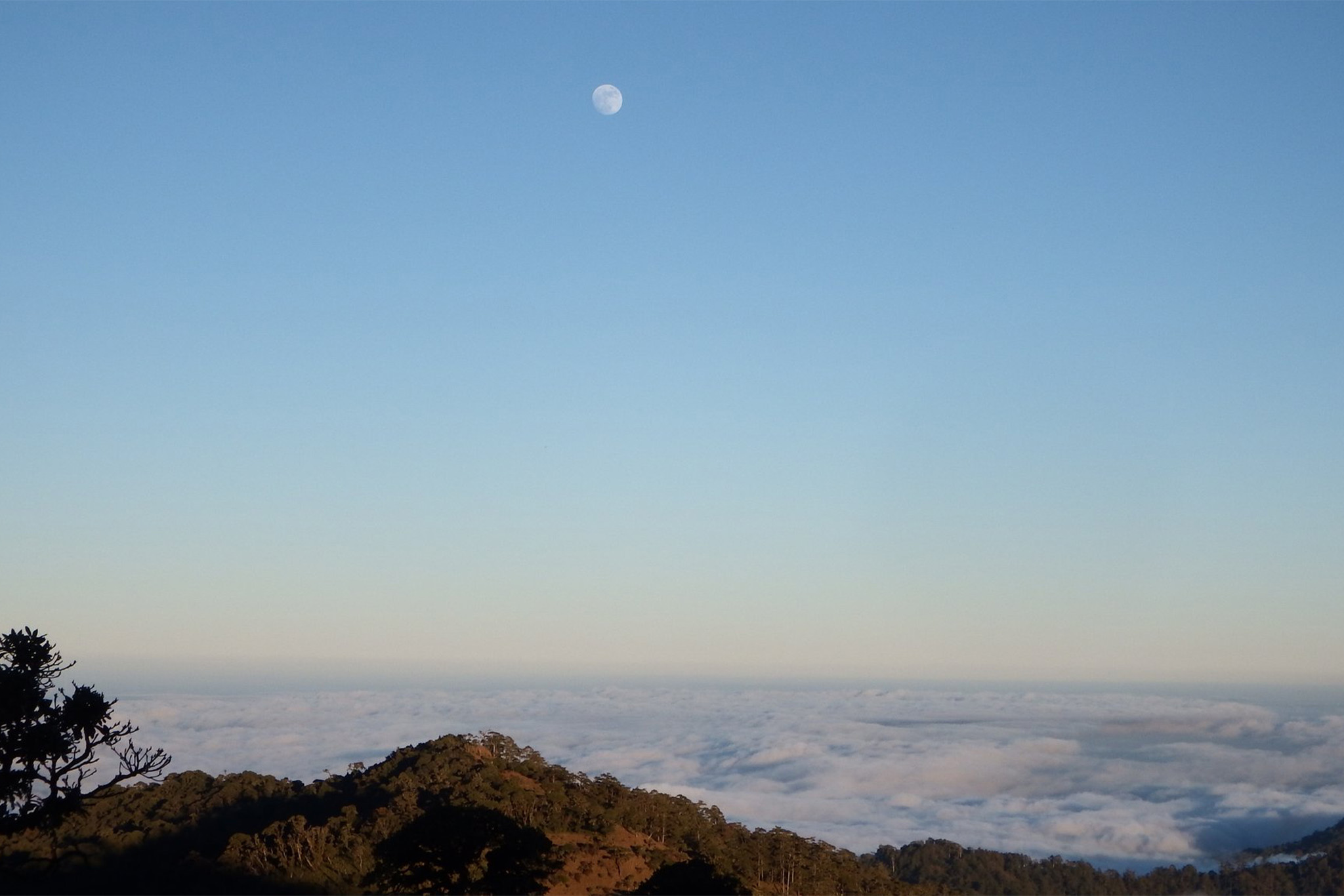
Natmataung Mountain (Mount Victoria) is the tallest mountain in Chin State. The mountain peak is one of the highest at Southeast Aisa, measuring 3,053m above sea level. Located in Kanpetlet Township, it is now under the protection of the Natmatuang National Park that was established in 1994. You will be able to see the panoramic view of Chin. This massive mountain has an ASEAN Heritage Park and is known to be a significant bird migration area. You will see hundreds of bird species including rare ones at this area. You can also trek the mountain and head towards the National Park that is only 15 miles away. Witness a bountiful of flora and fauna species in their natural habitat. This park has a strict rule against illicit hunting which is why it is a safe haven for endangered and rare wildlife species.
Rih Lake
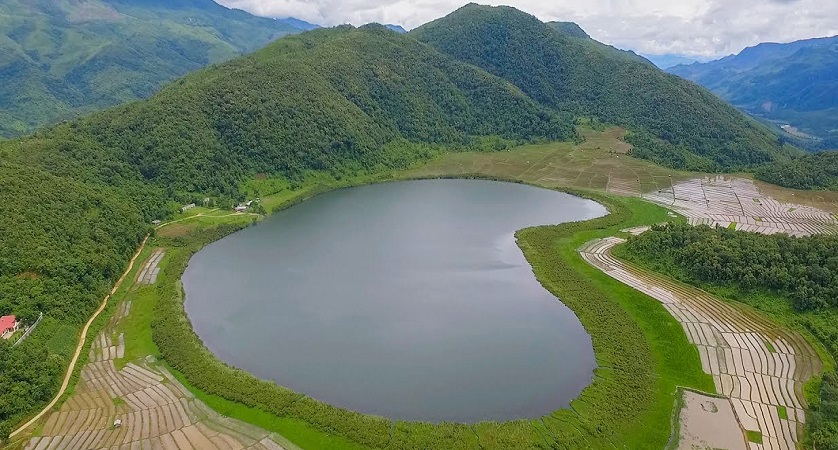
Myanmar’s heart-shaped Rih Lake of Chin State is a total catch of a destination. Steeped in ancient tradition and folklore, Rih Lake (also known as Rih Dil) is of significant spiritual and cultural place to the Mizo people – considered a hill tribe of Southeast Asia – dwelling in nearby areas of Myanmar and India. The lovable lake was traditionally believed to be a pathway for the dead to reach their final resting place. This relatively small, natural body of water along the India-Myanmar border is a nook of Chin State still largely unexplored due to its remoteness and a history of regional travel bans. Surrounded by rolling hills of green and vibrant rice paddies, the journey to get to Rih Lake is definitely worth a little (or a lot of) discomfort.
Bungtla Waterfall
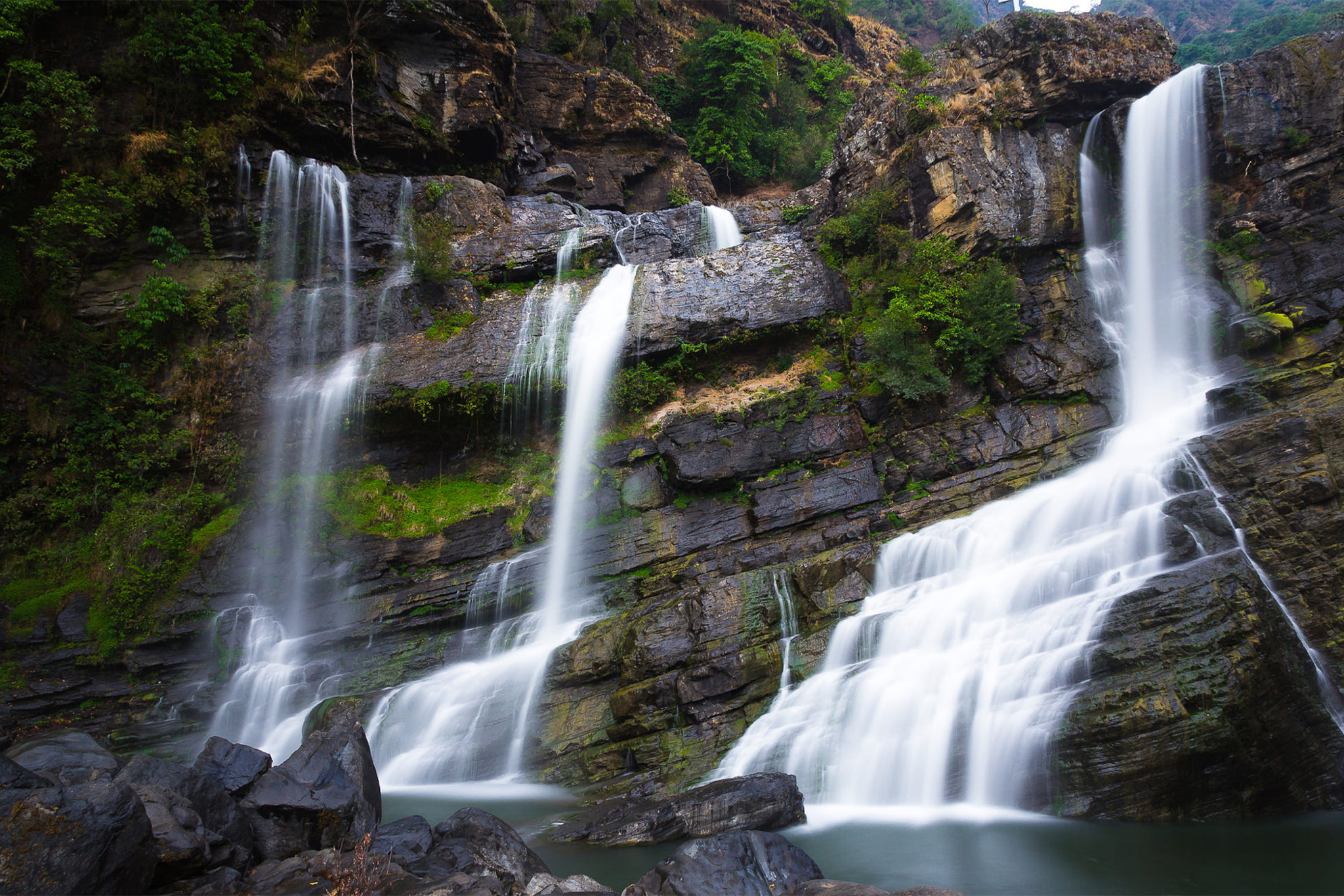
A tour of Matupi, in southern Chin State, is incomplete without a visit to Bungtla, a spectacular cascading waterfall standing in majestic isolation. The nine-tier waterfall is located near the village of Hti Saung, 14 miles southeast of Matupi. The Lemyo River originates from the waterfall and empties into the Bay of Bengal in Sittwe, Arakan State. Water falls from a mountain more than 4,200 feet high, making Bungtla around 3,000 feet tall. The best mode of transport with which to reach the waterfall is a motorbike taxi from Matupi, because there is no bridge for cars to cross Bon Laung creek, which is six miles from the waterfall. Hti Saung is around ten miles from Matupi—from just beyond the village, the upper tiers of the waterfall are visible.
Kennedy Peak
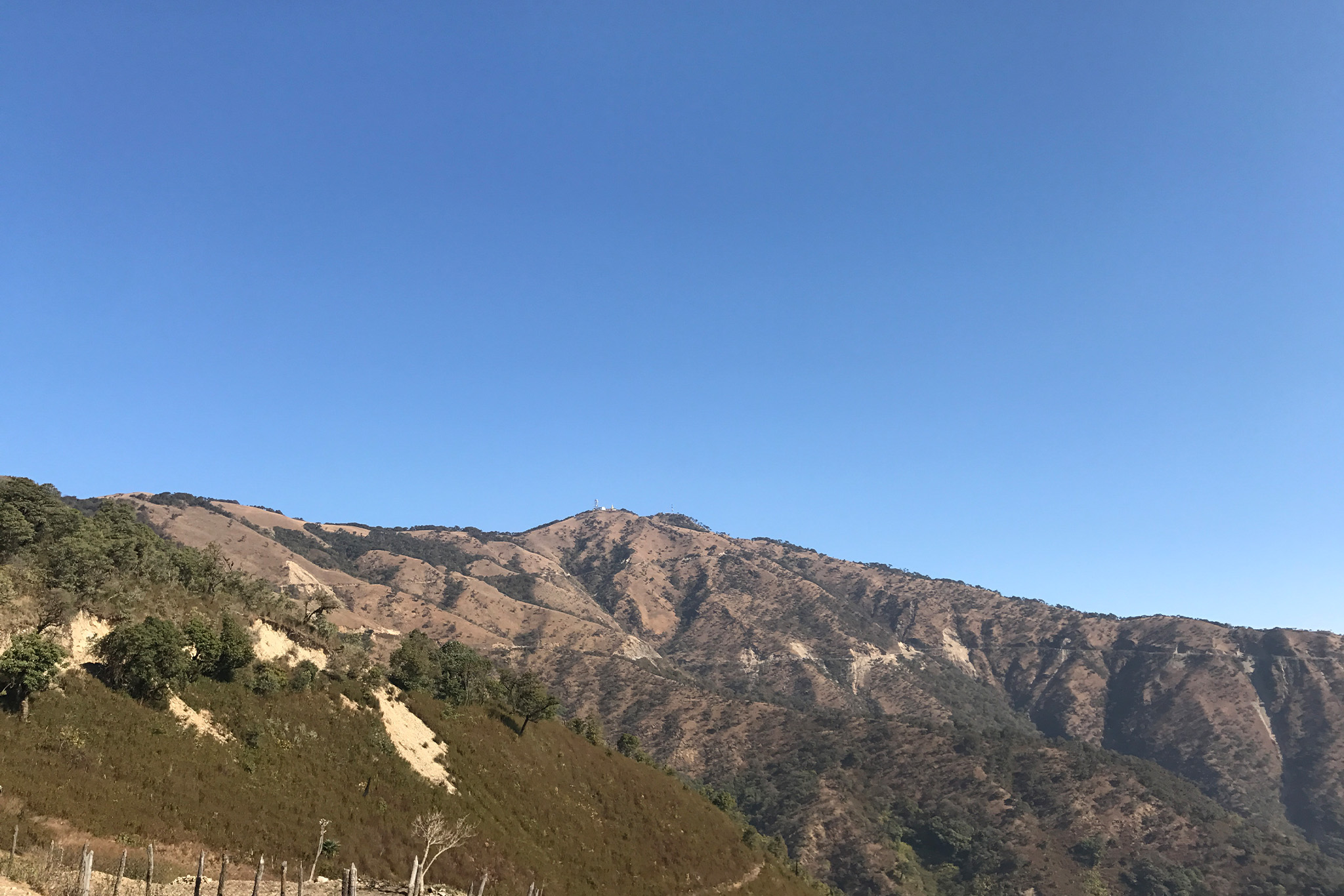
Kennedy Peak stands 8868ft high, making it Chin State's second-highest mountain. The site of a battle between the British and Japanese in WWII, the peak is as yet untouched by tourism, so there are no known hiking routes to its summit. Instead, a rough road leads to the summit from Sozang village, about 15 miles from Tiddim on the road back to Kalaymyo, which hugs the base of the mountain. The hike up is an easy couple of hours and the views are great along the way (except during the rainy season when it's completely obscured in clouds and fog), but unfortunately there's a TV tower at the top. It is historically famous for being the site of a battle during World War II between the British Indian Army and the Japanese.
Local Specilities
Traditional Costume
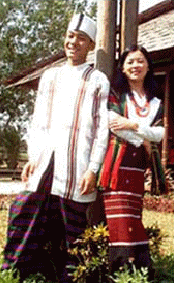
Chin men usually wear shirts and trousers but wrap themselves with colourful blankets on special occasions. They wear headdresses with vertical black stripes. Chin women wear longyis long enough to cover their ankles, and decorated with horizontal stripes, diamonds or flower designs.
Childhood and Socialization
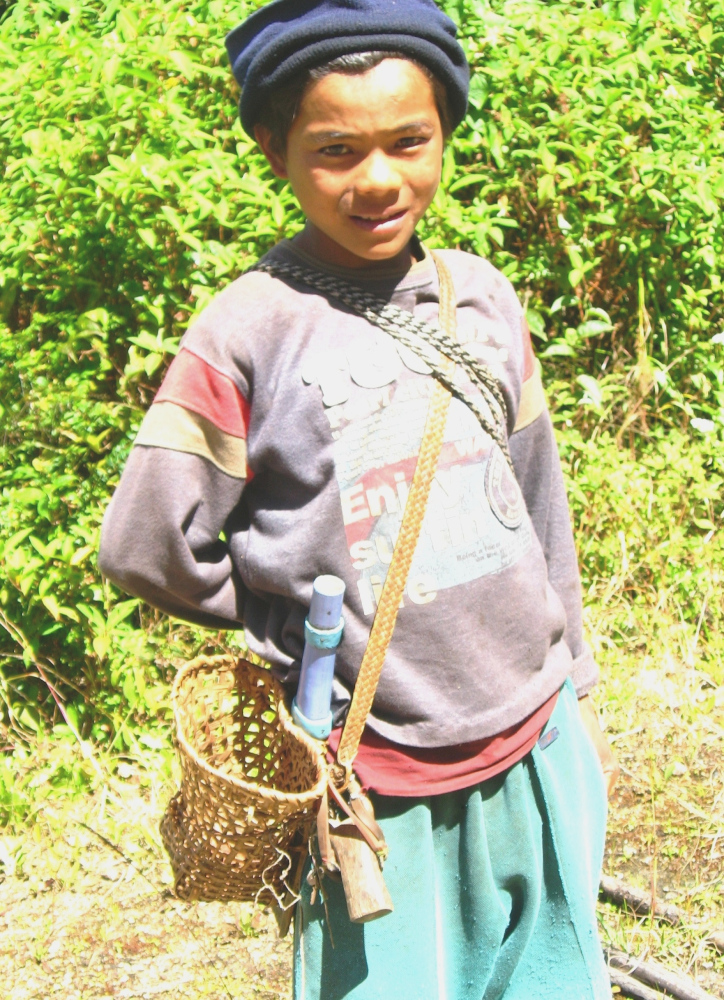
One universal aspect of child rearing among the Chin people is that respect for elders is of utmost importance. The notion of “children are seen and not heard” is still common among Chins. Boys are raised to be strong and tough, so adult men can sometimes seem cold, unemotional, and unexpressive. Girls are raised to be nurturing and to obey their husbands.
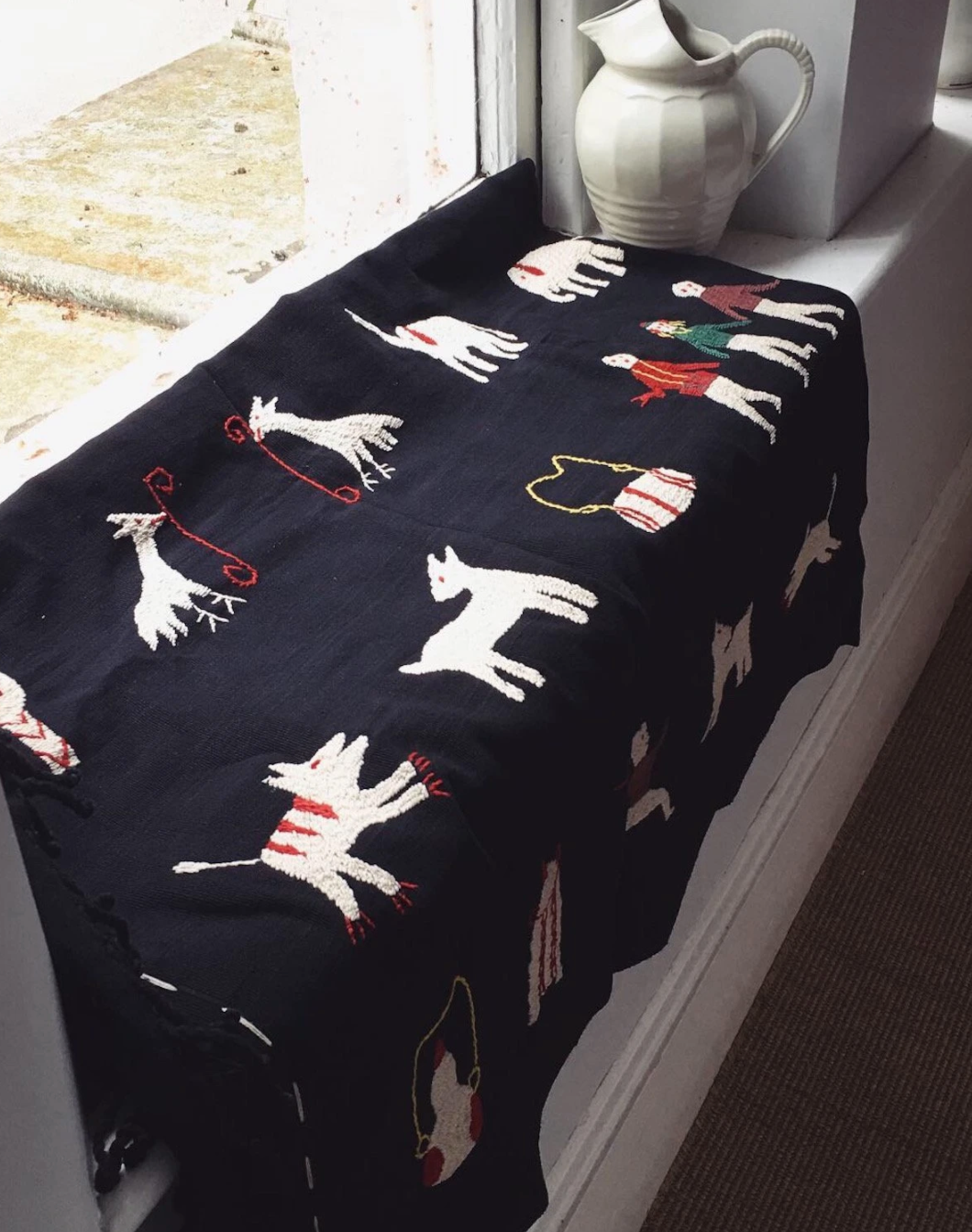
Black Natural Textile Throw with White Embroidery
All of the throws are made from pure cotton and are coloured using natural vegetable dyes. They are hand embroidered with patterns and motifs that reflect Chin culture and it's environment. They are beautiful and versatile pieces of original folk art that can also be used as wall hangings.
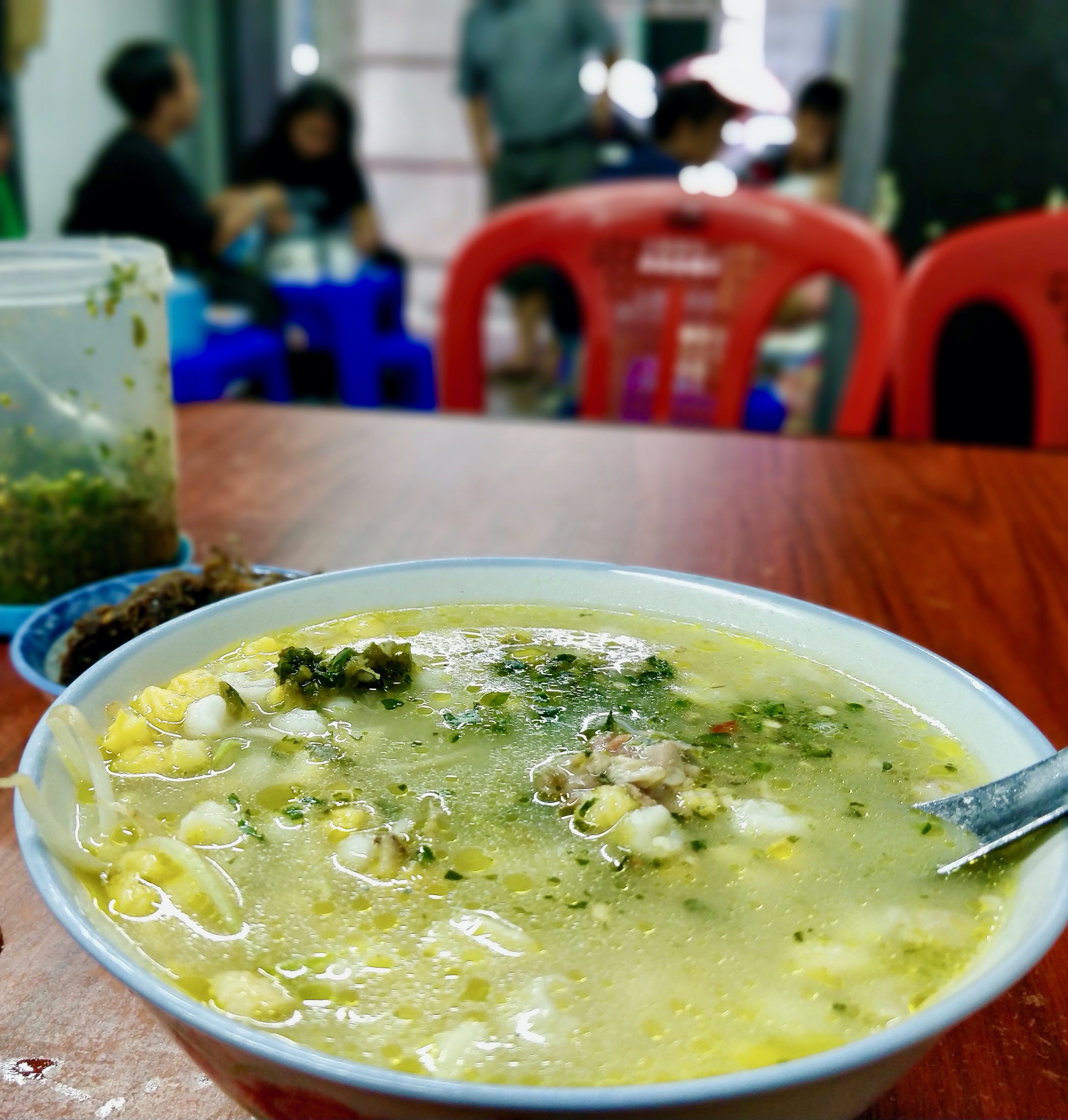
Sabuti
Sabuti is the comfort food of mountainous Chin state, a western region of Myanmar not known for its cuisine. In Chin, “sa” is meat, “bu” is boiled corn, and “ti” is soup, which tells you most of what you need to know about the dish. White and yellow hominy corn, a staple of Chin state, is mixed with oxtail and topped with bean sprouts.
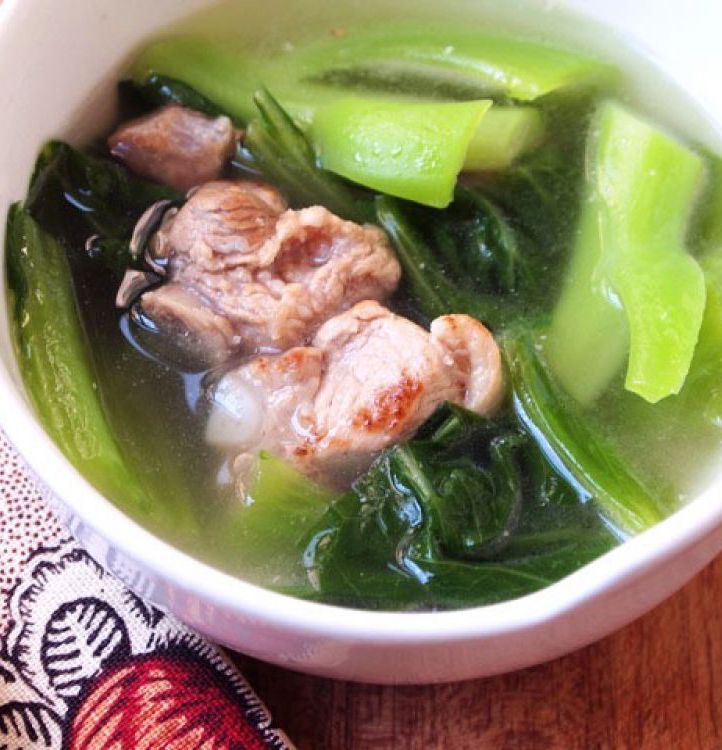
Pork Rib Pea Curry
Unlike other Chin traditional cuisines with corns, the Pork Rib Pea Curry is a little different. According to its climate and geography, hill-side cultivation is more important than other methods such as horticulture and agriculture. Pea and corn are produced from hill-side cultivation.
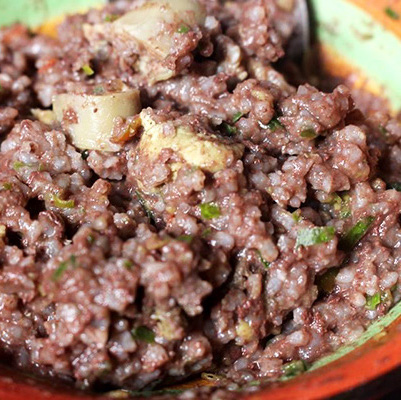
Meh Buh
Meh Buh is not only served at the festivals but also it is a daily meal of the Southern part of Chin State. Mython meat, mython blood and rice are deliciously cooked together. It is necessary to stir the broth till the soup is enough. When the water becomes less, pounded ginger, chillies, onion or garlic, and phaih phai leaf are added into the soup.