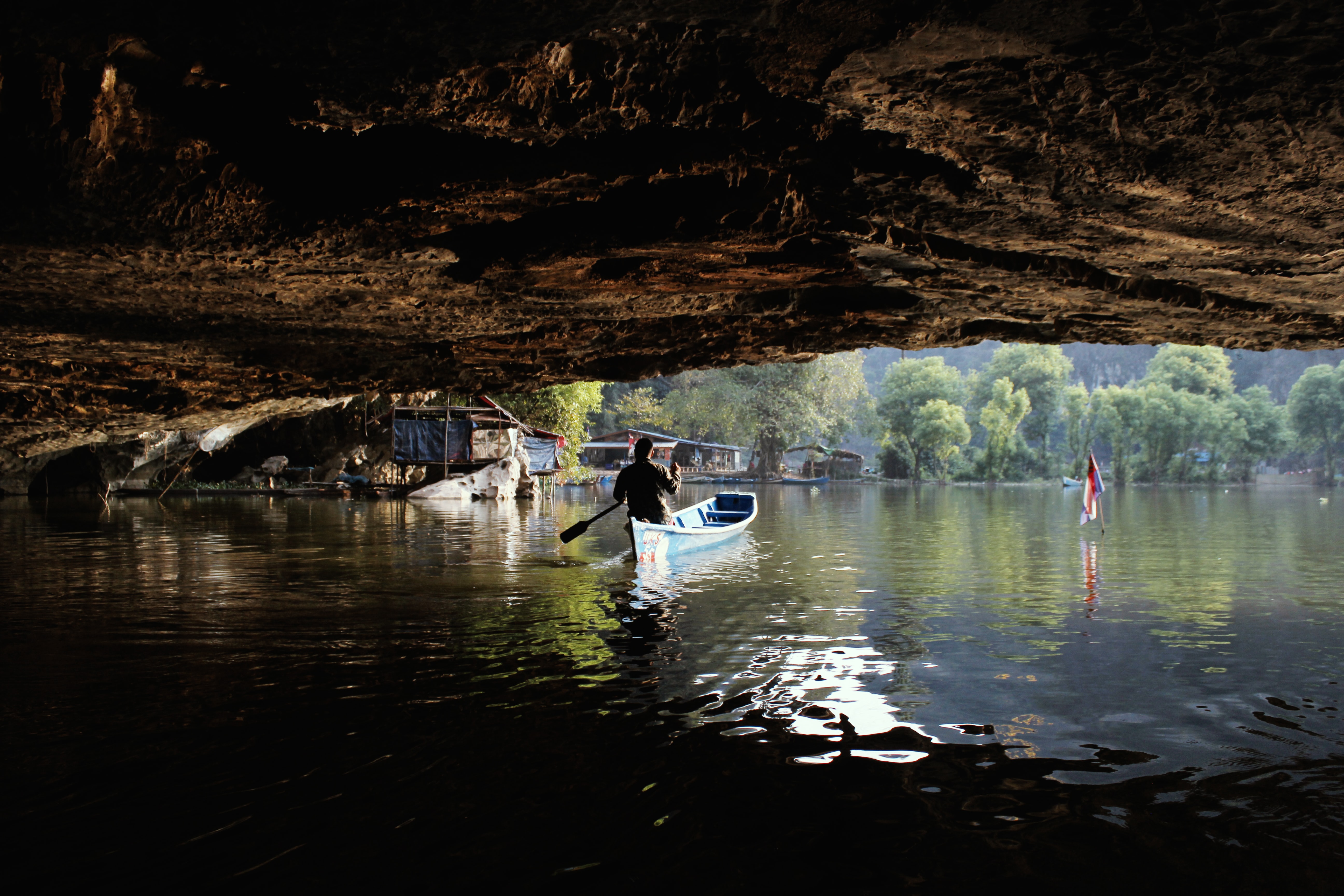
The People
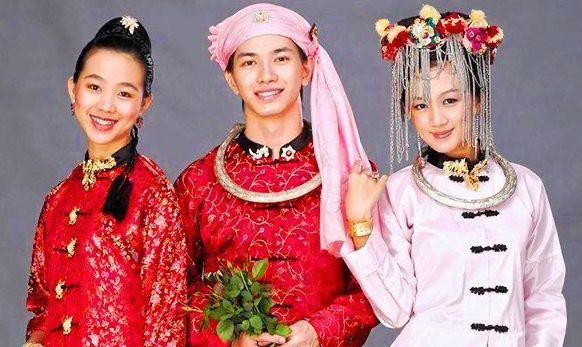
The Shan people known as the Dai or Tai Yai, are a Tai ethnic group of Southeast Asia. The Shan are the biggest minority of Myanmar and primarily live in the Shan State of this country, but also inhabit parts of Mandalay Region, Kachin State, and Kayin State, and in adjacent regions of China (Dai people), Laos, Assam (Ahom people) and Thailand.
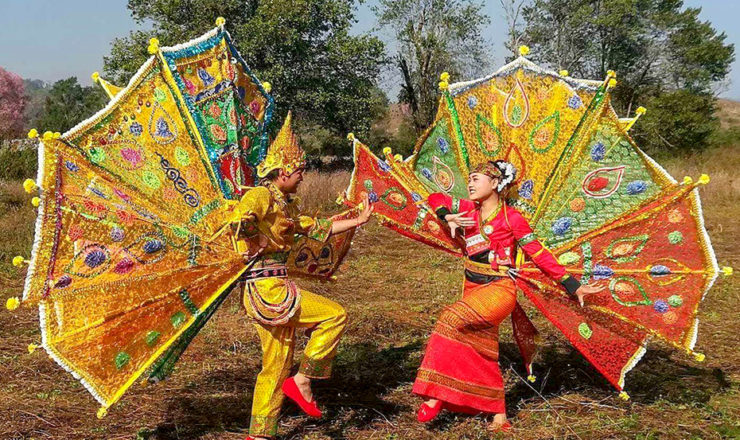
The traditional dance, The Kainnari and Kainnara is performed during traditional festivals in Shan. Kainnari and Kainnara are also associated with Buddhist heritage. Shan people believe that when Buddha returned to the human world after preaching his knowledge to his mother in heaven, humans celebrated his arrival with an abundance of food and flowers and humans danced with various mythical creatures, including Kainnari and Kainnara.
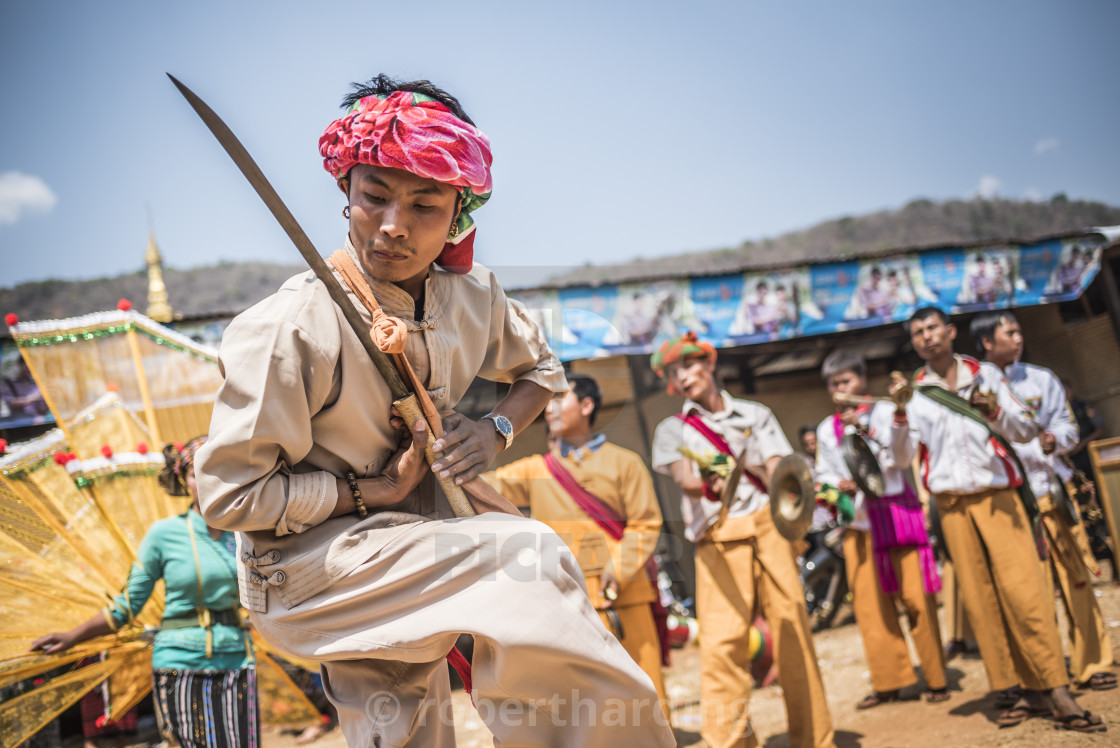
In the past history Shan is the nationality that often evacuate because of invasion by nearby nationalities. They sometime defeat and sometime lose up to the ability of the leader when they are lost they have to move to set up the new place which make them have to learn and inherit the art of defend continuously. Laew or a sword is the individual weapon of Shan therefore; there is training about using of a sword and sword dance since the ancient time. A sword song has a very attractive dancing style.
SHAN
The capital state of Shan is Taungyi City. The Shan State was founded during the Pagan Kingdom. The Shan people prefer calling their land as ‘Muang Tai’, and they fondly go by the names of Tai or Dai instead of Shan. The Thais mostly call them ‘Tai Yai’, or ‘big Thai’. The second largest ethnic residing in Shan is the Wa people. The mountainous landscape coupled with the Thanlwin River that flows through the state provides a breathtaking view of the state. Shan is also known to house many beautiful caves that tourists would not want to miss.
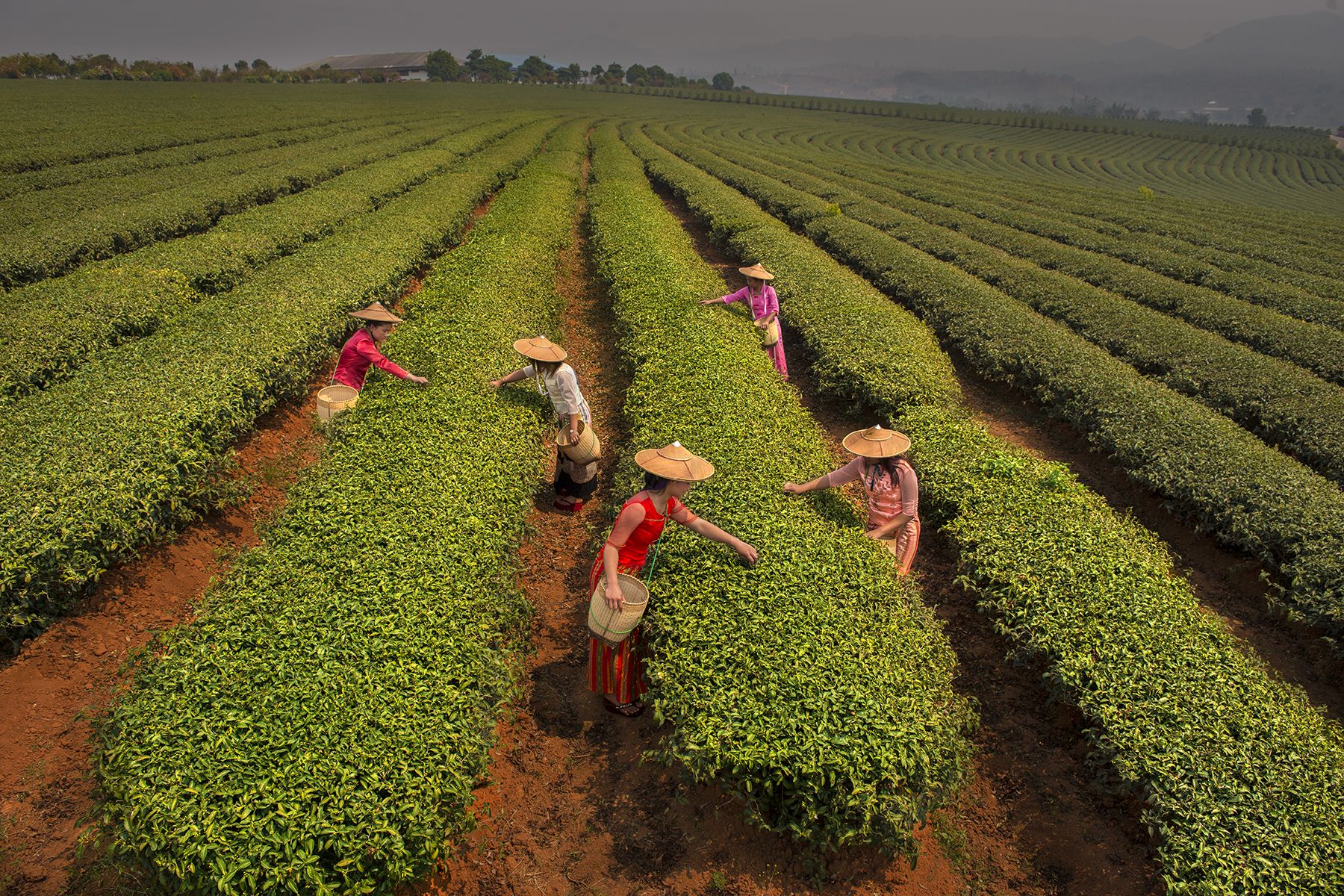
Shan State relies heavily on agriculture for its economy. The state is known for its tomatoes, tea, carrots, chillis, rice and potatoes.
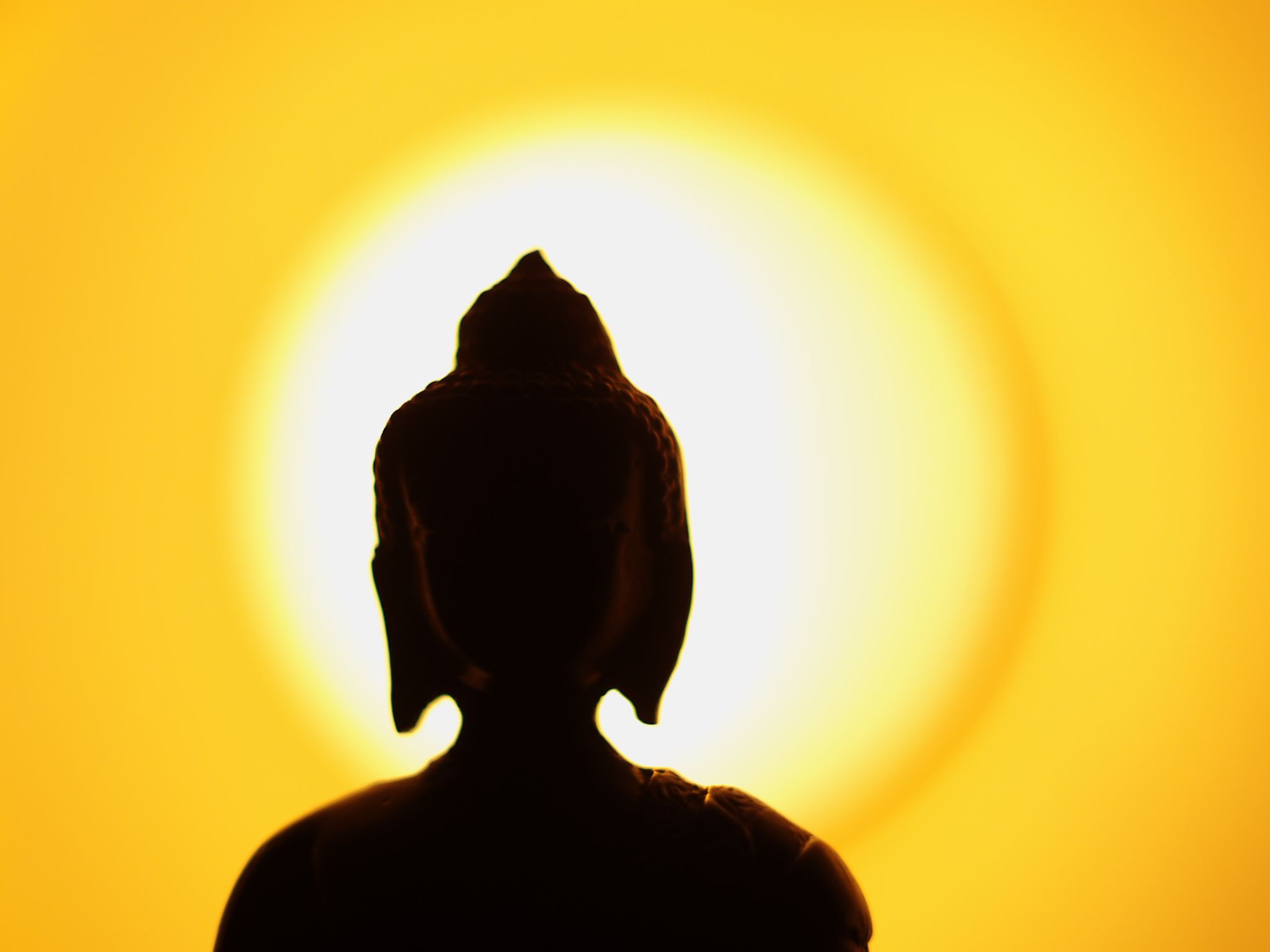
Most of the Shan are Theravada Buddhist.
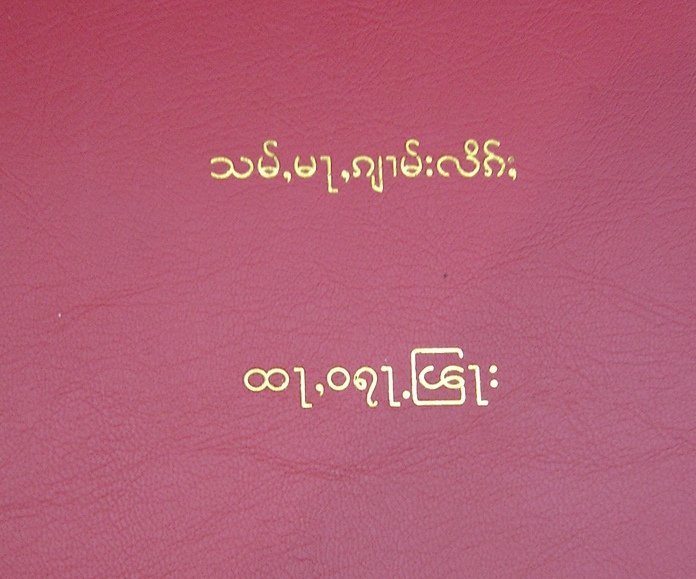
The Shan language is the native language of the Shan people and is mostly spoken in Shan State.
Pindaya cave
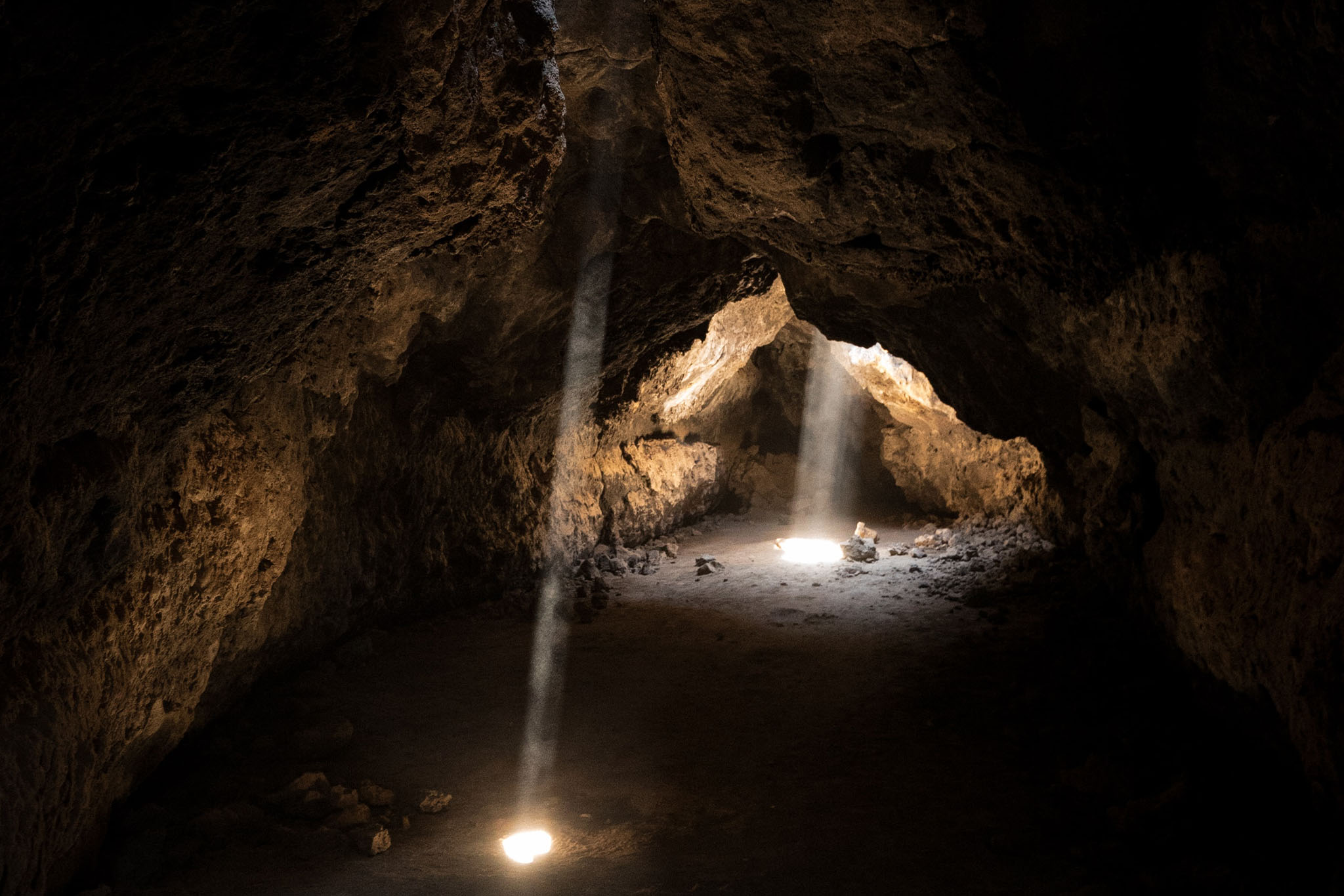
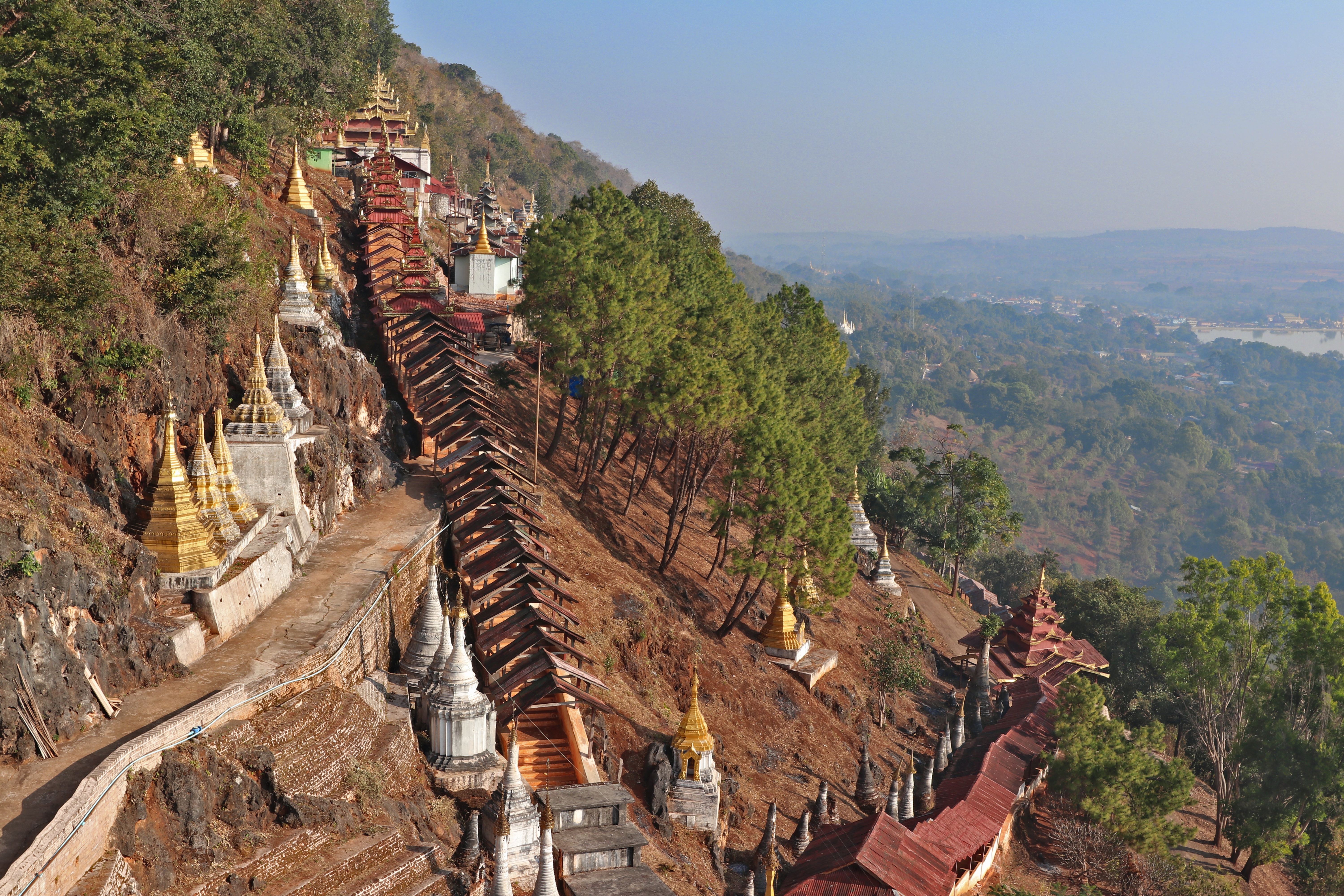
The Pindaya cave is an important pilgrimage site for Burmese Buddhists and an attractive, unusual sights for tourists. The cave is set in a limestone hill in Central Burma not far from Inle Lake. The hill contains three caves, only one of which is open to the public. This cave that is about 150 meters long contains thousands of Buddha images in various styles and from different eras from the early Konbaung dynasty era to present day. Every small corner and nook of the cave is cramped with Buddha images up to the ceiling. Between the images are also a number of small pagodas as well as stalagmites and stalactites. During the course of several centuries thousands of Buddha images have been put inside the cave. Many statues bear the name of the person who donated it. The number of images is constantly growing since people are still adding more, by now there about 9,000.
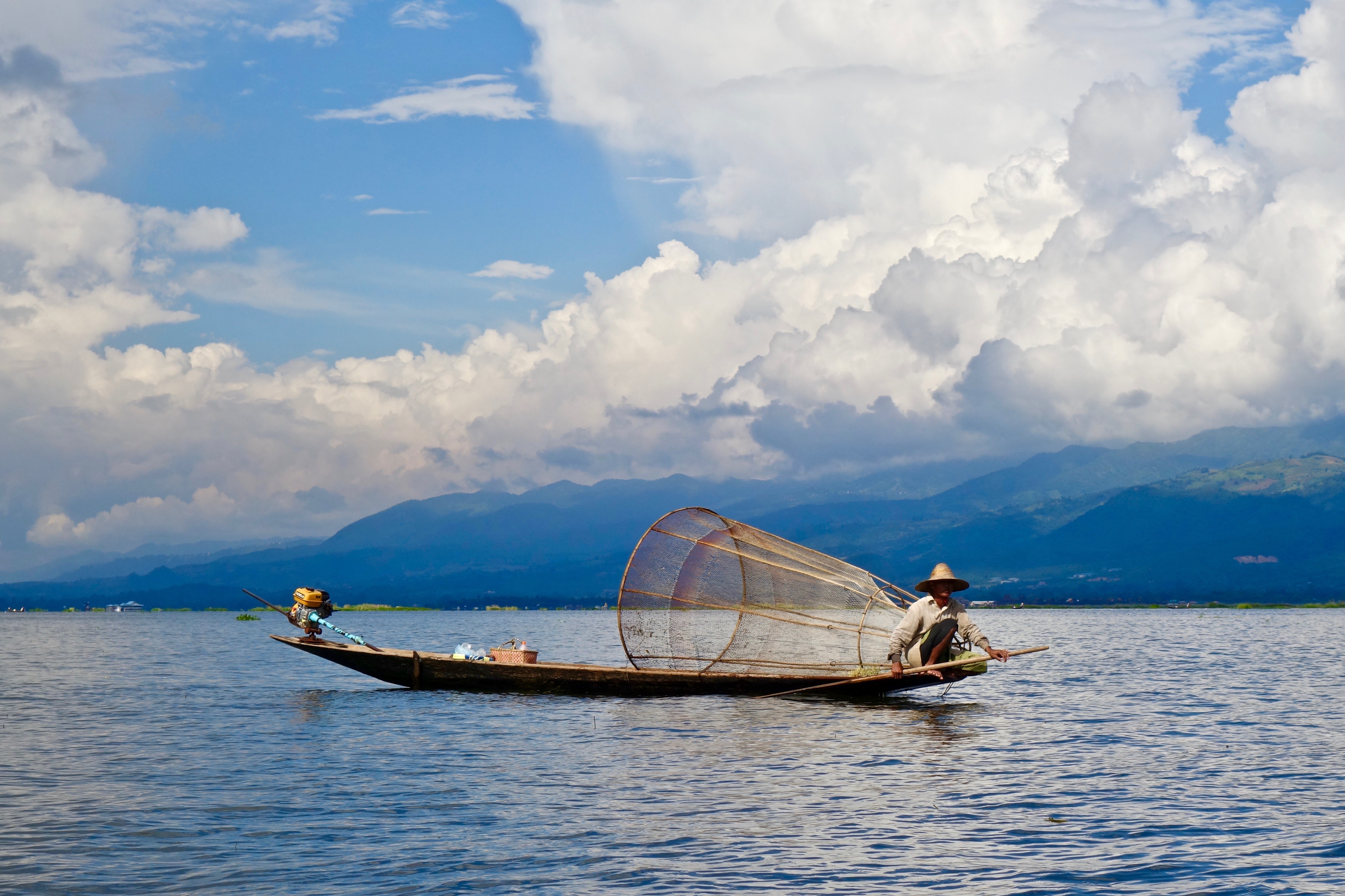
Inle Lake
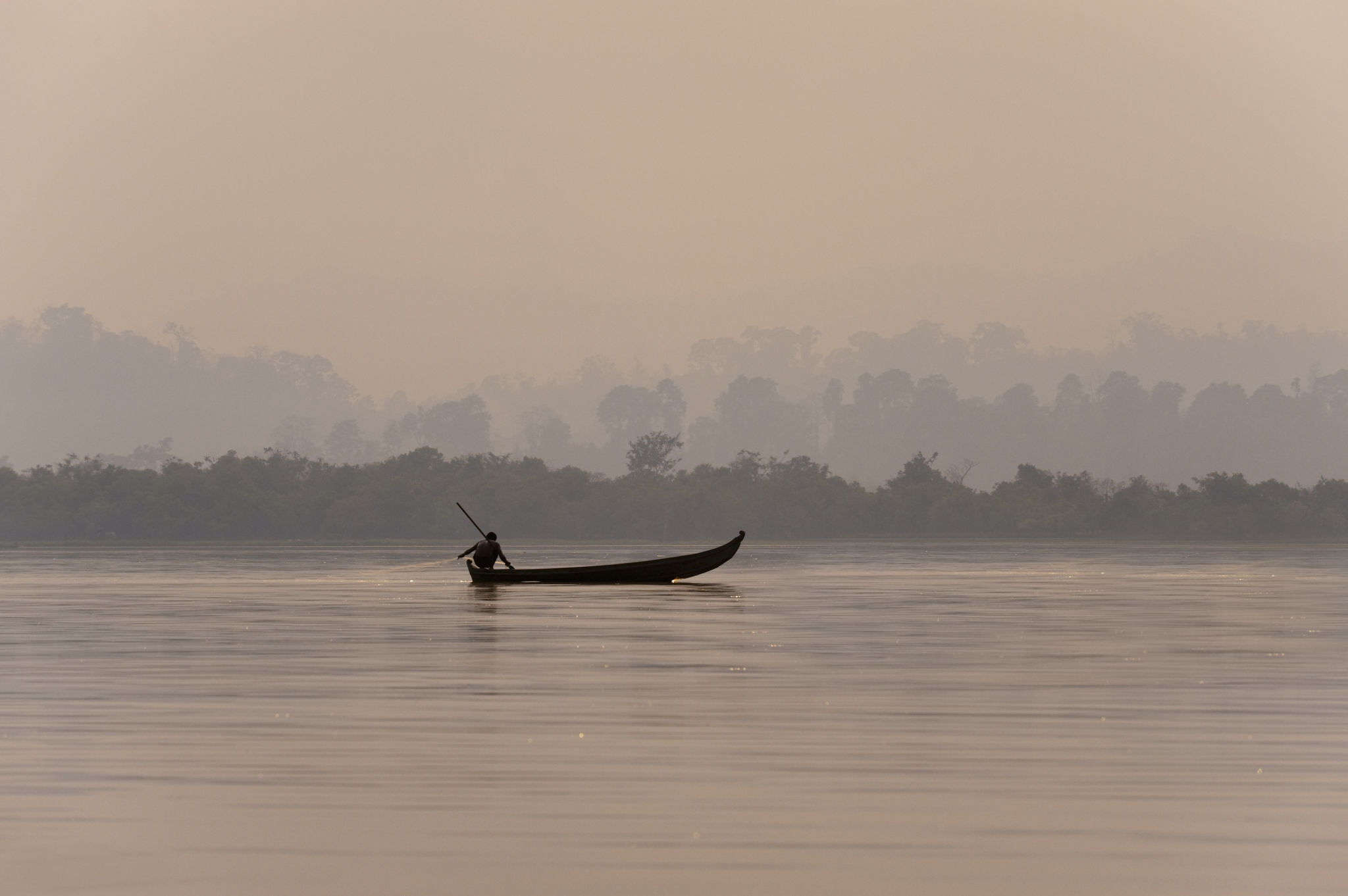
The Inle Lake region is one of Myanmar's most anticipated destinations, and all the hype is justified. Picture a vast, serene lake – 13.5 miles long and 7 miles wide – fringed by marshes and floating gardens, where stilt-house villages and Buddhist temples rise above the water, and Intha fisher folk propel their boats along via their unique technique of leg-rowing. Surrounding the lake are hills that are home to myriad minorities: Shan, Pa-O, Taung Yo, Danu, Kayah and Danaw, who descend from their villages for markets that hopscotch around the towns of the region on a five-day cycle.
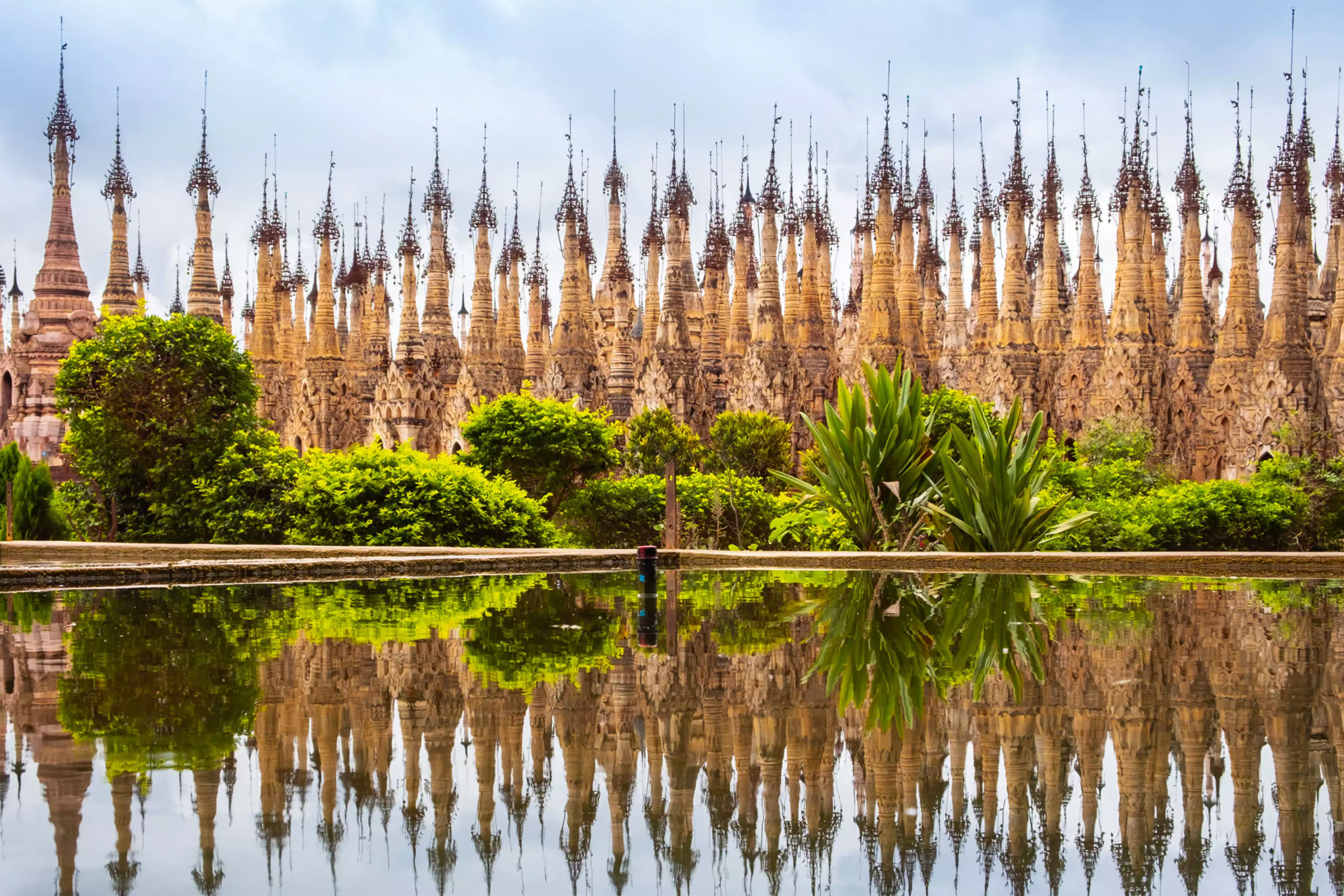
Kakku pagoda
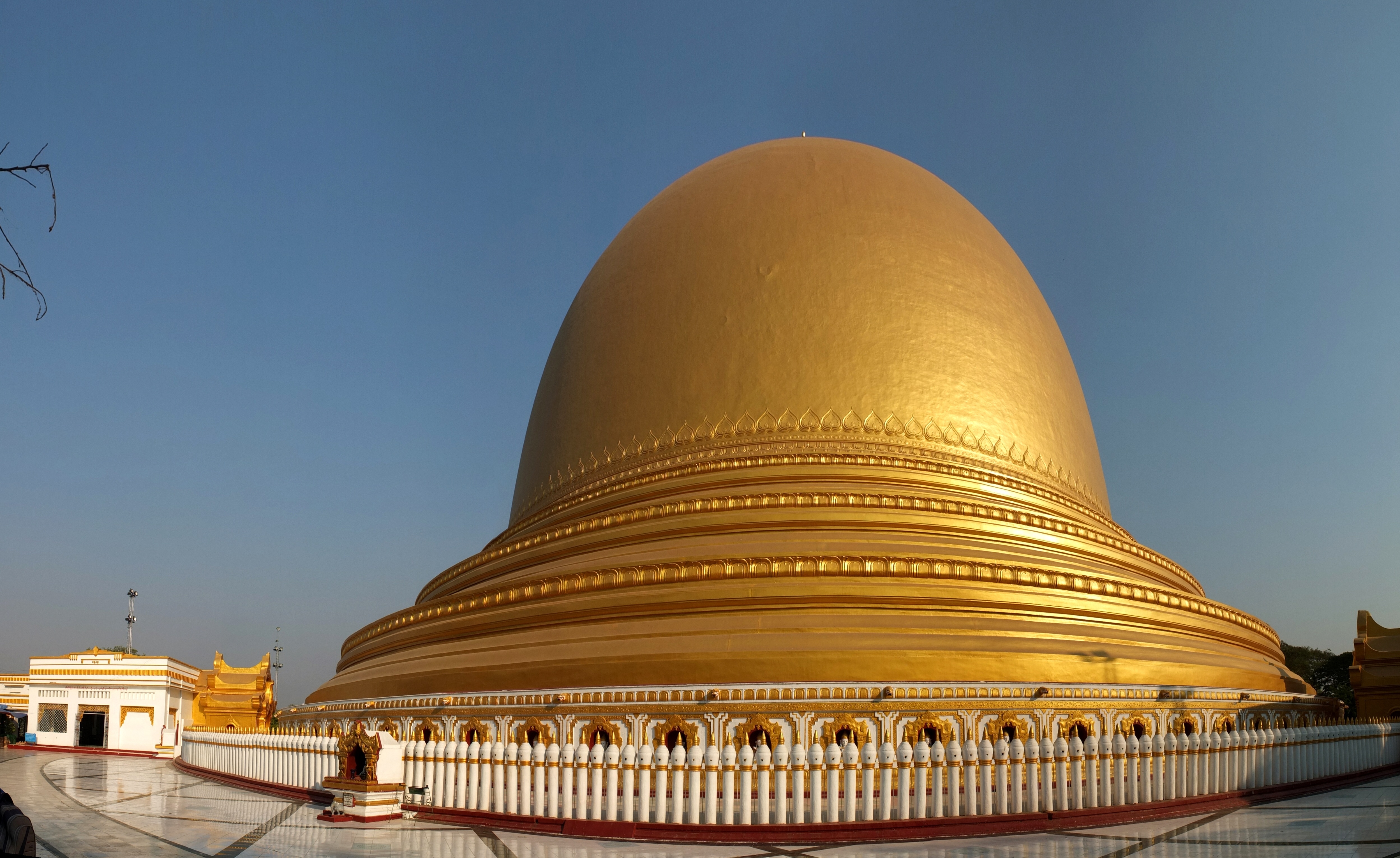
The Kakku pagodas is a pagoda complex in the hills overlooking the valley South East of Inle Lake. The remote site, only recently opened to visitors, is located in Pa-Oh territory, a people related to the Karen. Due to its isolated location it takes considerable effort to get there. A scenic ride through the hills over small winding roads with Pa-Oh villages, houses of wood and bamboo and fields with crops as onions and garlic leads to the group of pagodas. Some 2,500 pagodas, most of similar shape and size, are found in long rows closely put together in a square field. At the center is the 40 meters high main stupa, surrounded by mostly well preserved smaller ones. Most still have the hti, a top element shaped like an ornamental umbrella. The centuries old pagodas are made from brick and plastered with stucco, a lot of which has crumbled off. Some of them have trees and bushes growing out of them.
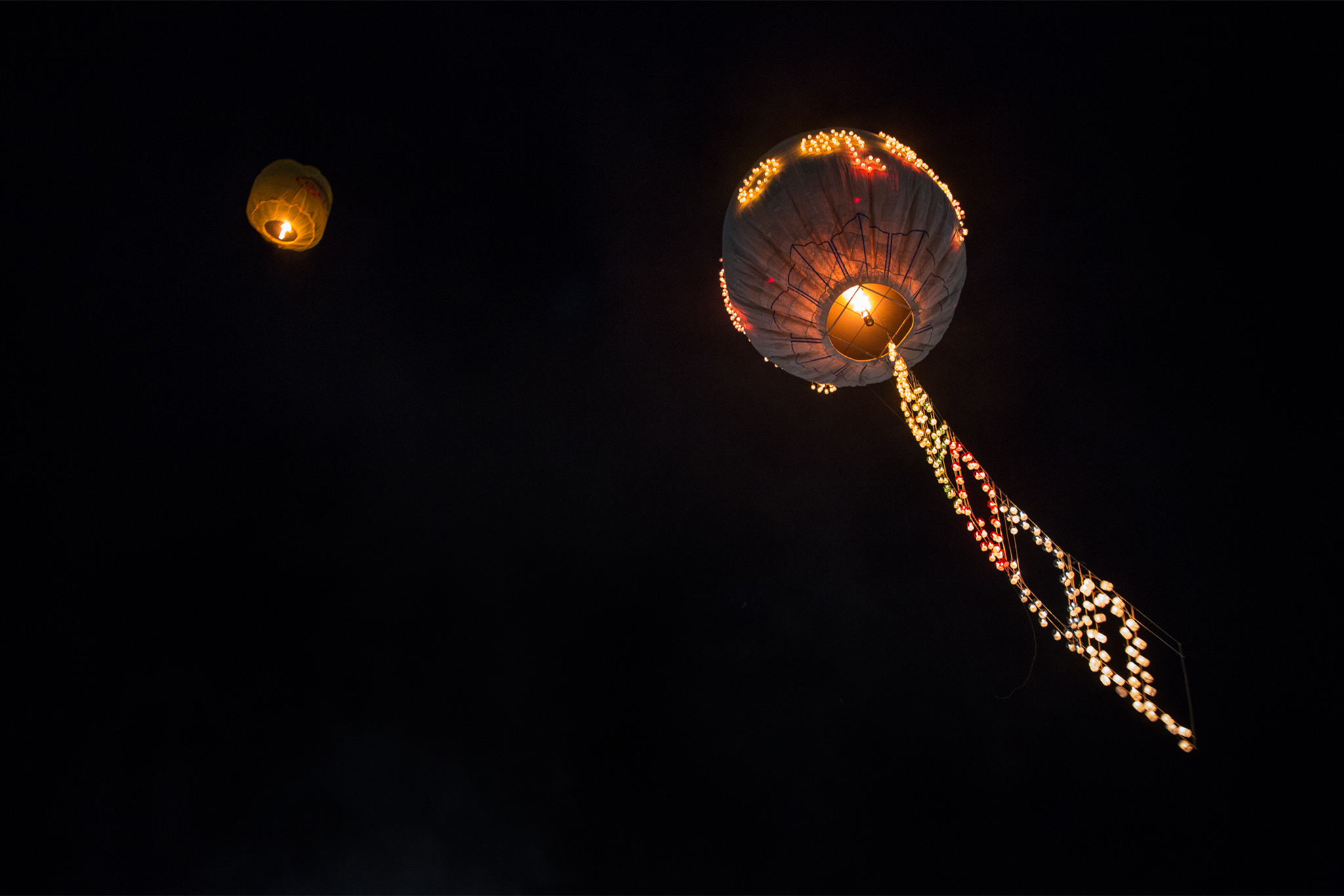
Taunggyi Fire Balloon Festival
One of Myanmar’s most famous yearly gatherings, the Taunggyi Fire Balloon Festival is held for several days around the Full Moon of Tazaungmon, which is a national holiday and marks the end of the rainy season (early November in the Gregorian calendar). The festival features fireworks and a startling array of different balloon designs, with competitions for style and elevation achieved. The daytime hours are focussed around family entertainment, with large animal-shaped balloons – but the revelries go on through the night until the early hours of the following morning, when huge balloons laden with hundreds of fireworks are sent up into the sky. Visitors should note that safety standards are not what they should be, and there have been a number of accidents over the years; you should make certain to maintain a safe distance from the balloons. During the festival, accommodation prices are sharply increased and transport to Taunggyi should be booked well in advance.
Local Specilities
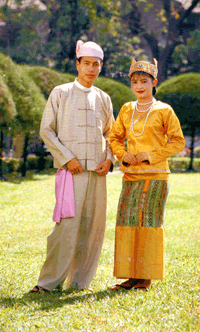
Traditional Costume
Shan men dress in shirts and traditional khaki jackets. Their baggy trousers are usually made of khaki. Every Shan man wears a headdress. Shan women wear with longyis, blouses, and headdresses.

Woman Tai (Shan) blouse
The length of woman’s Tai blouse has to be at the waist level and in front of the blouse has passed from one side to another side, with shoulder sleeves and none shoulder sleeves, there is some thick embroidery or engraving around the neck, edge of sleeves, edge of the blouse and some decoration with beads, pearls, spangles.
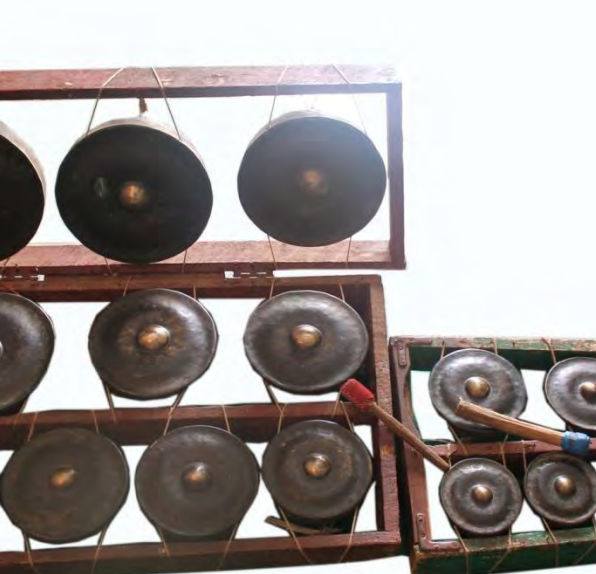
Maun: Sai,Gong Circle
It has made with 10 gongs in different sizes which are arranged in wooden frame for Big Gong Circle. 7 gongs in different sizes are arranged in wooden frame for Small Gong Circle. Maun: Sai,Gong Circle has to be played with two sticks wrapped with cloth at top.
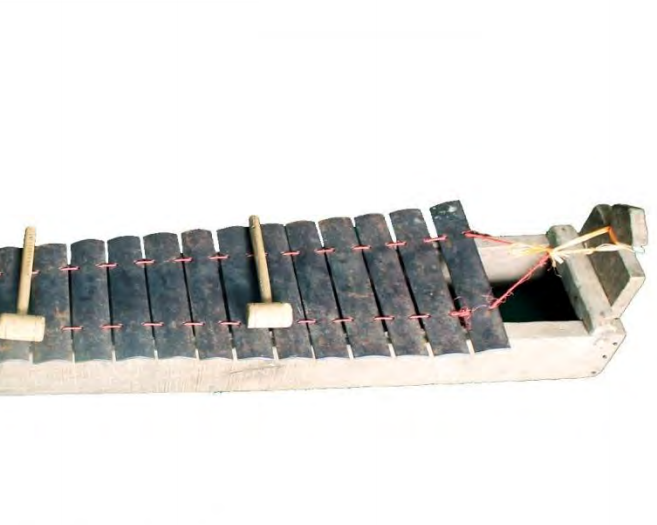
Than Pa’Tala:,Iron Xylophone
It has made with 19 iron slates in different sizes which are drilled with the hole, so the strings will hold them together and can be passed through in order to attached on the wooden frame. The player has to strike with two sticks wrapped with cloth at top to the iron slates to make the different harmonious melody or sound.
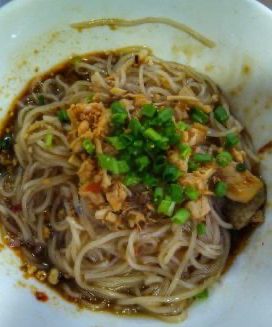
Shan Noodles (Shan-Khow suey)
It’s one of the most popular dishes in Myanmar and one can get it very easily in every tea shop and restaurant. Shan noodles are served either as a soup or as a salad, with sautéed tomato and peanuts as topping. The noodles used for the soup are flat rice noodles and for the salad are round rice noodles. One can either choose vegetarian noodles or with shredded chicken.
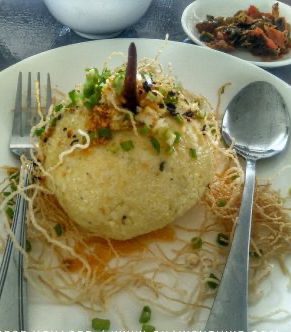
Shan fish rice (Nga-Htamin)
This dish is a mix of steamed Shan rice, shreds of cooked fish and garlic oil. It served as a ball of the mix, with a topping of crispy fried noodle flakes, spring onions and fried dried chilly. All Shan dishes are served with Monnyinchin (pickled mustard greens) on the side and a small bowl of soup.