The People
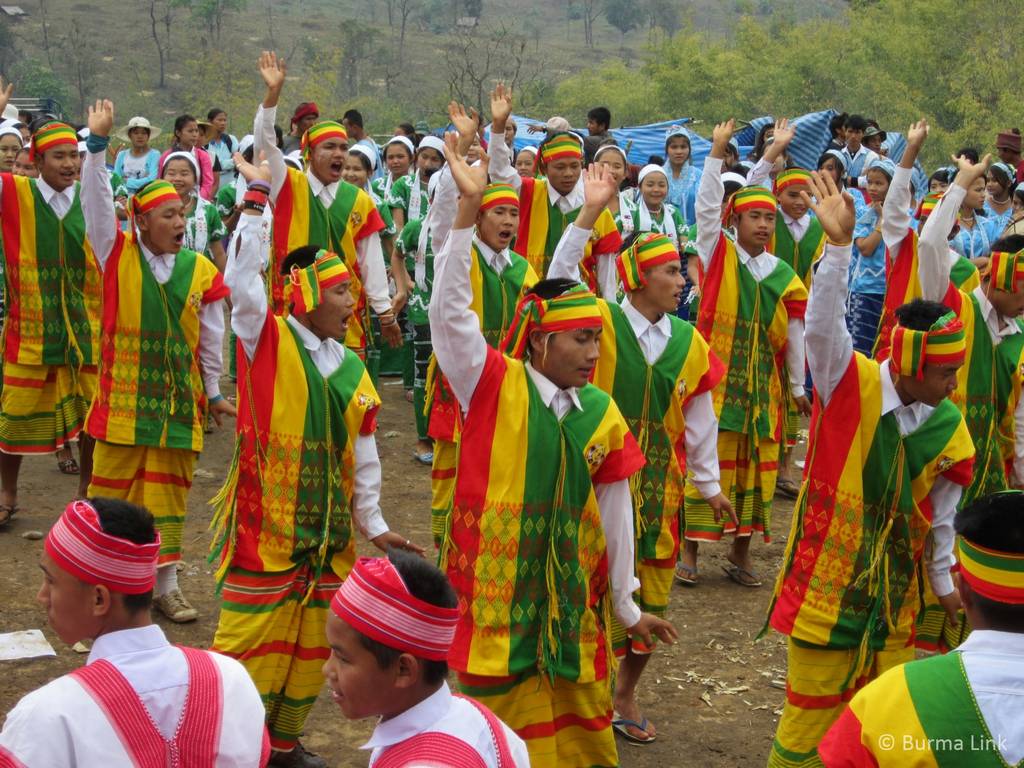
The Karen are an ethnolinguistic group of Sino-Tibetan language-speaking peoples. The group as a whole is heterogeneous and disparate as many Karen ethnic groups do not associate or identify with each other culturally or linguistically. These Karen groups reside primarily in Kayin State, southern and southeastern Myanmar. The Karen, approximately five million people, account for approximately seven per cent of the Burmese population.
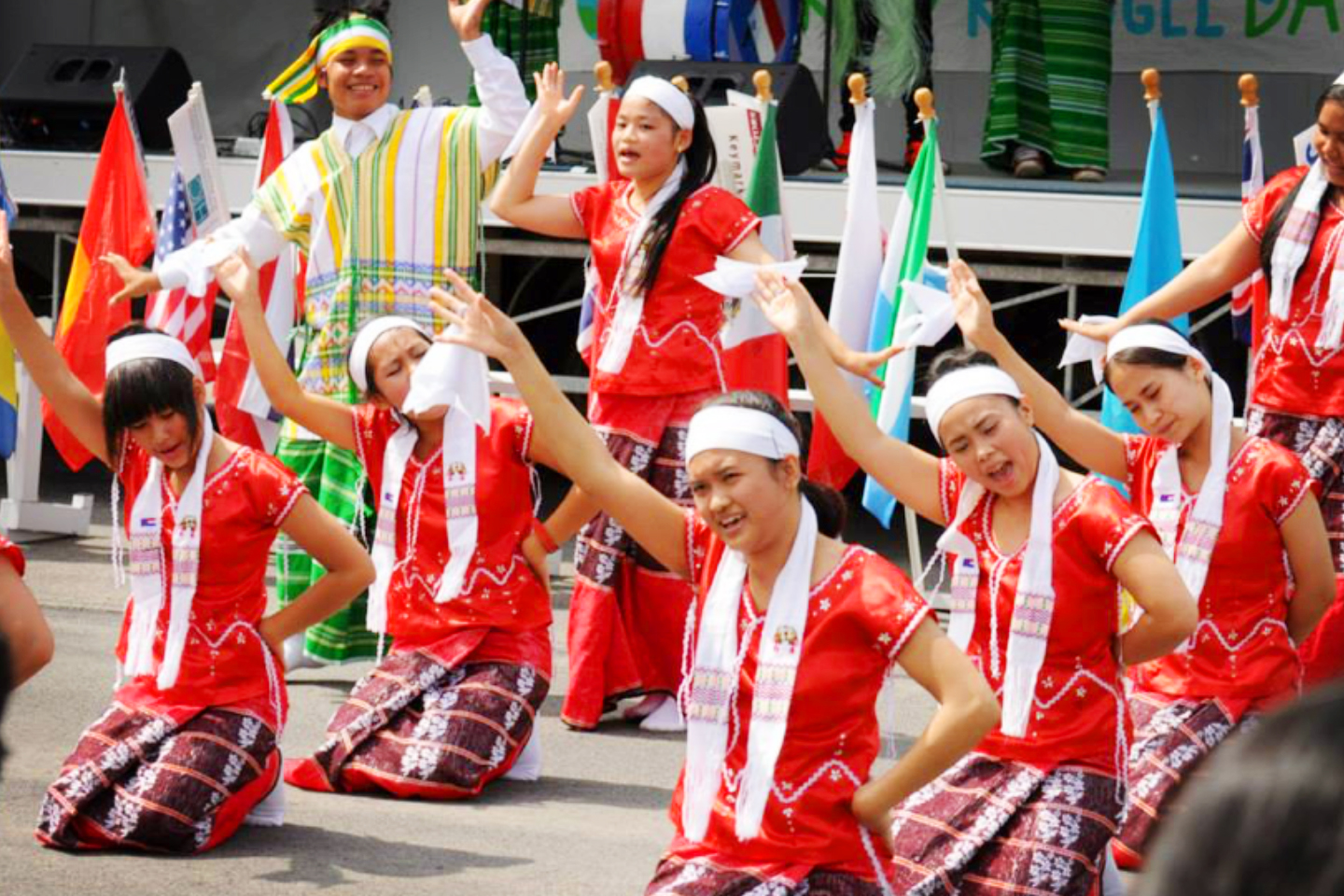
Kayin Don Dance is famous as its traditional dance. The dance involves a line of men and a line of women moving in unison to accompanying music. They sing while dancing and music is played by Kayin traditional instruments. The event occur during the annual Kayin New Year celebration, which took place from December 31 to January 2. Huge number of ethnic Kayin and others flocked to the pagoda to witness the dance contest.
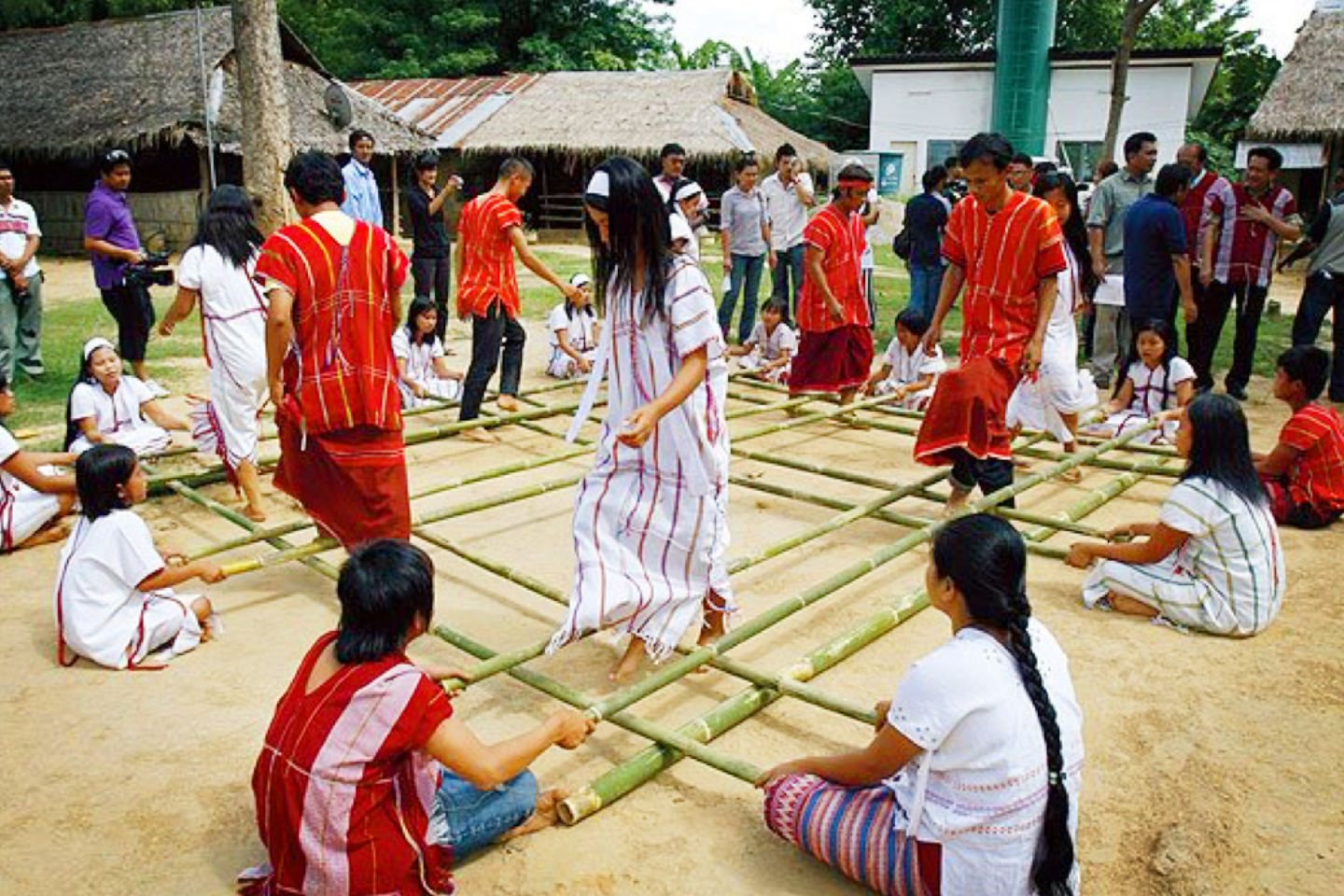
Kayin Bamboo Dance is also a well known dance of Kayin People. It is similar to the Chin Bamboo Dance. A bamboo latticework is laid on the ground and people make quick steps in and out. It needs timing and the participants have to be skillful. We can see this dance at the ceremonies of the state and Kayin New Year festivals. The Karen bamboo dance is also quite well known and popular among other races in Myanmar.
KAYIN
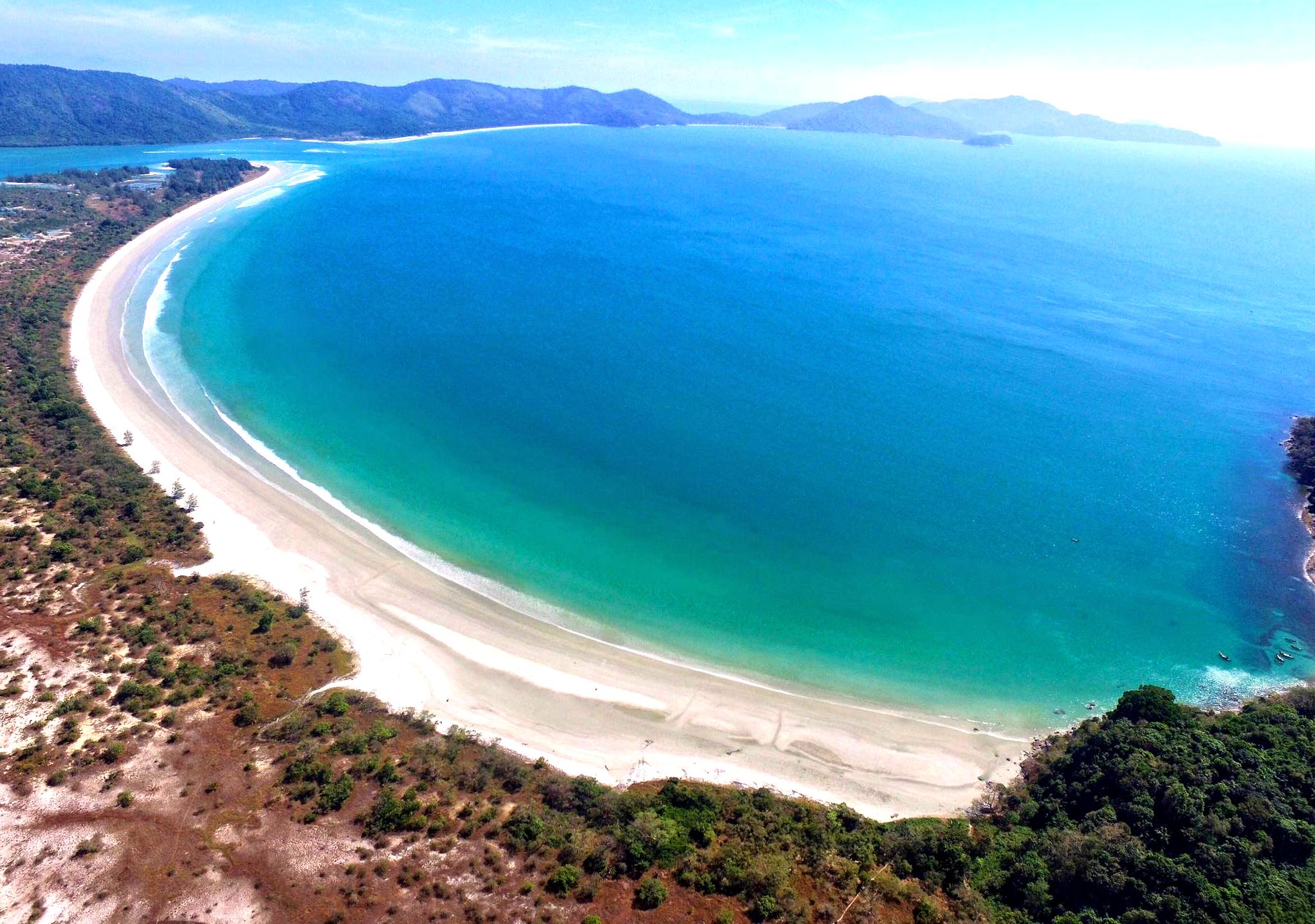
Kayin State provides the variety of a mountainous terrain amidst the beaches and seas of Southern Myanmar. The state is encircled by karst limestone peaks that soar above the lush green paddy fields. Interspersed with incredible caves, Kayin offers a stunning view of the western mountainous area of Myanmar. Hpa-An is the capital city of Kayin state. The city itself is beautiful, surrounded with limestone peaks on all sides. A typical Kayin landscape is characterized by lush green farms which make way to lush green mountains. Kayin is famous for its tea and coffee production.
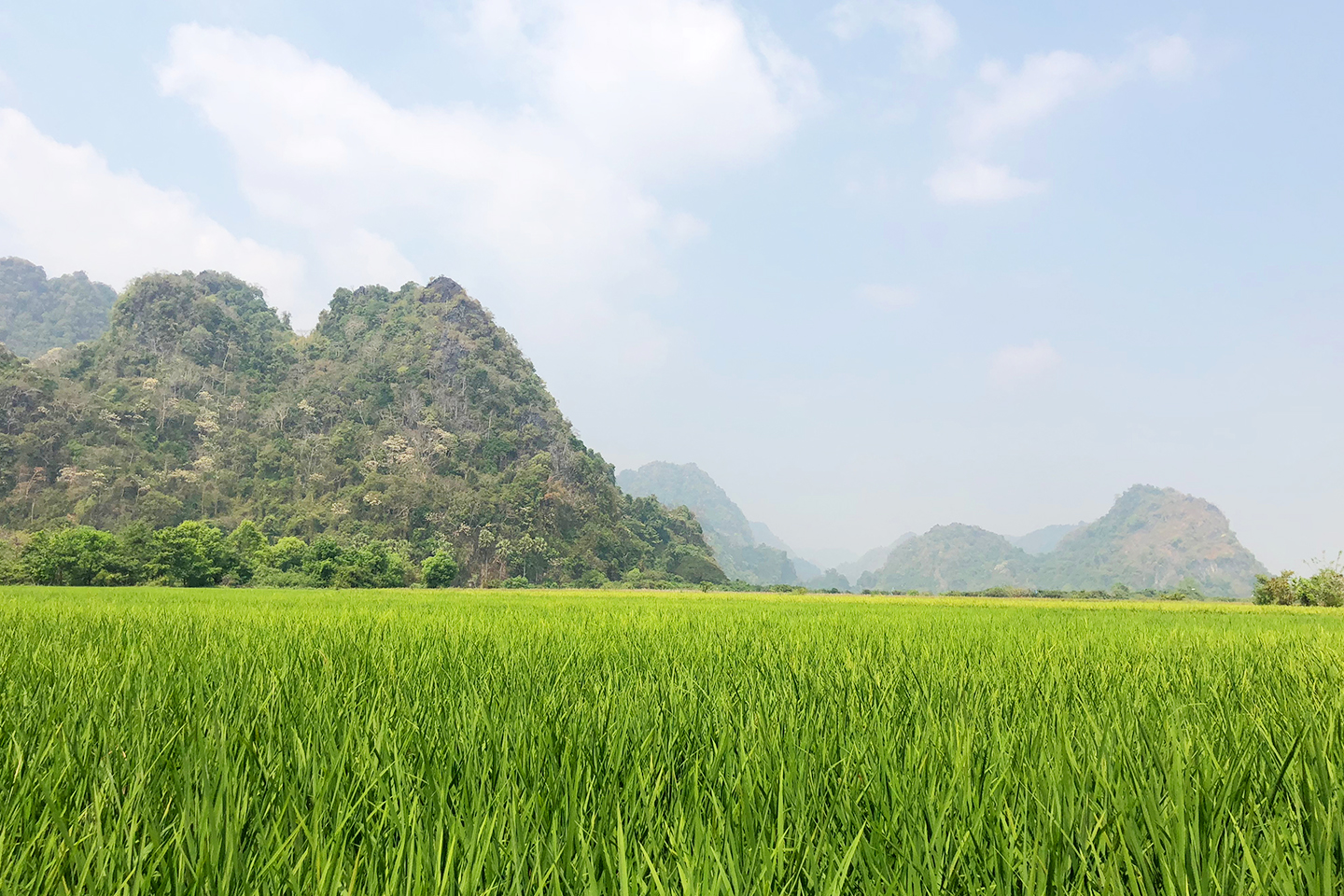
Kayin State is also known as the farming state. Besides the trading business, agriculture is the main economy. Paddy, coffee and Ruber plantations are found in the state.

The Karen have five known religious beliefs: Animism, Buddhism, Christianity, the Lehkai, and Telahkon. Of these five, the majority of the Karen are Animist, Buddhist, or Christian.

There are three main Karen languages and many dialects. The Main types are S’ghaw (pronounced Skaw) Karen, Eastern Pwo Karen and Western Pwo Karen.
Mount Zwegabin
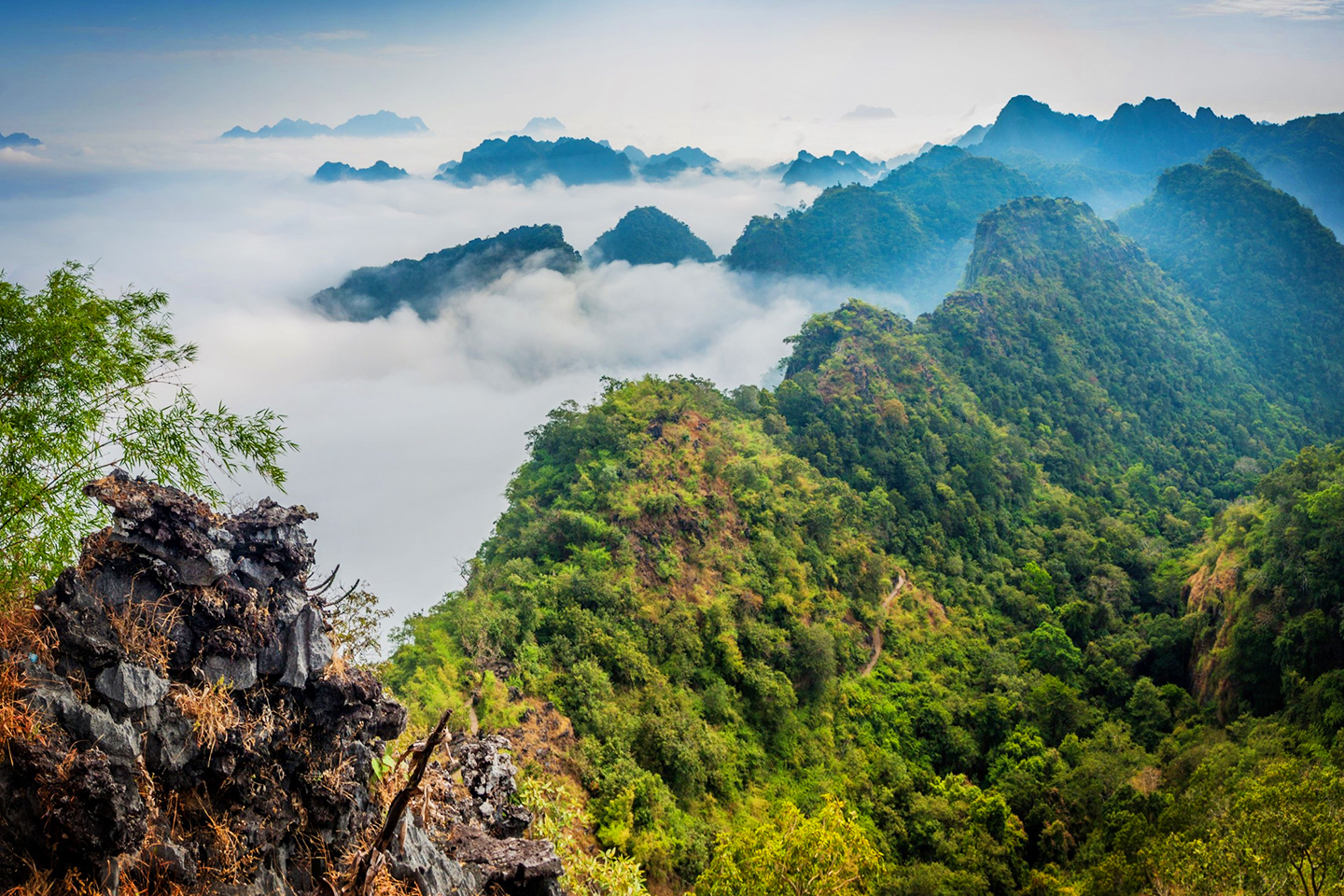
One of the travel destinations of Kayin state is the Mount Zwegabin, around 722 meters above sea level. It is the highest point in the region and you can see the view of the state. The terrain around the Zwegabin is flat to the north to west but hilly to the South East. For the few travellers who make it up there, a stay at the monastery on top of Mount Zwegabin (725m) is one of southeastern Myanmar’s highlights thanks to the stunning views back towards Hpa-an and the chance to spend a night in relative isolation. The area around Mount Zwegabin, is quite densely populated, with 155 inhabitants per square kilometer. The closest major city is Hpa-an, 8.2 km northwest of Mount Zwegabin. The surroundings around the mountains are a mosaic of agricultural land and natural vegetation.
Saddan Cave
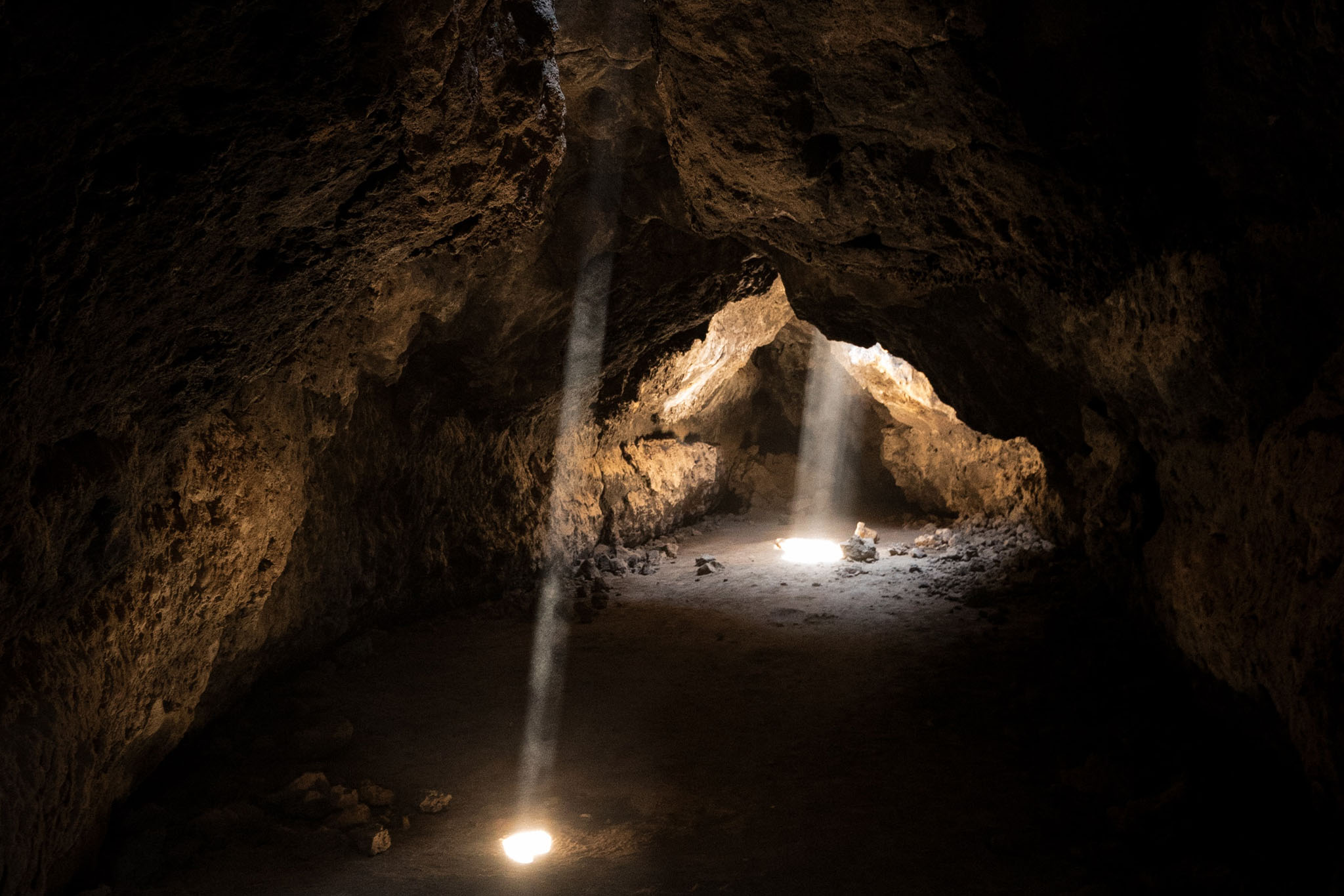
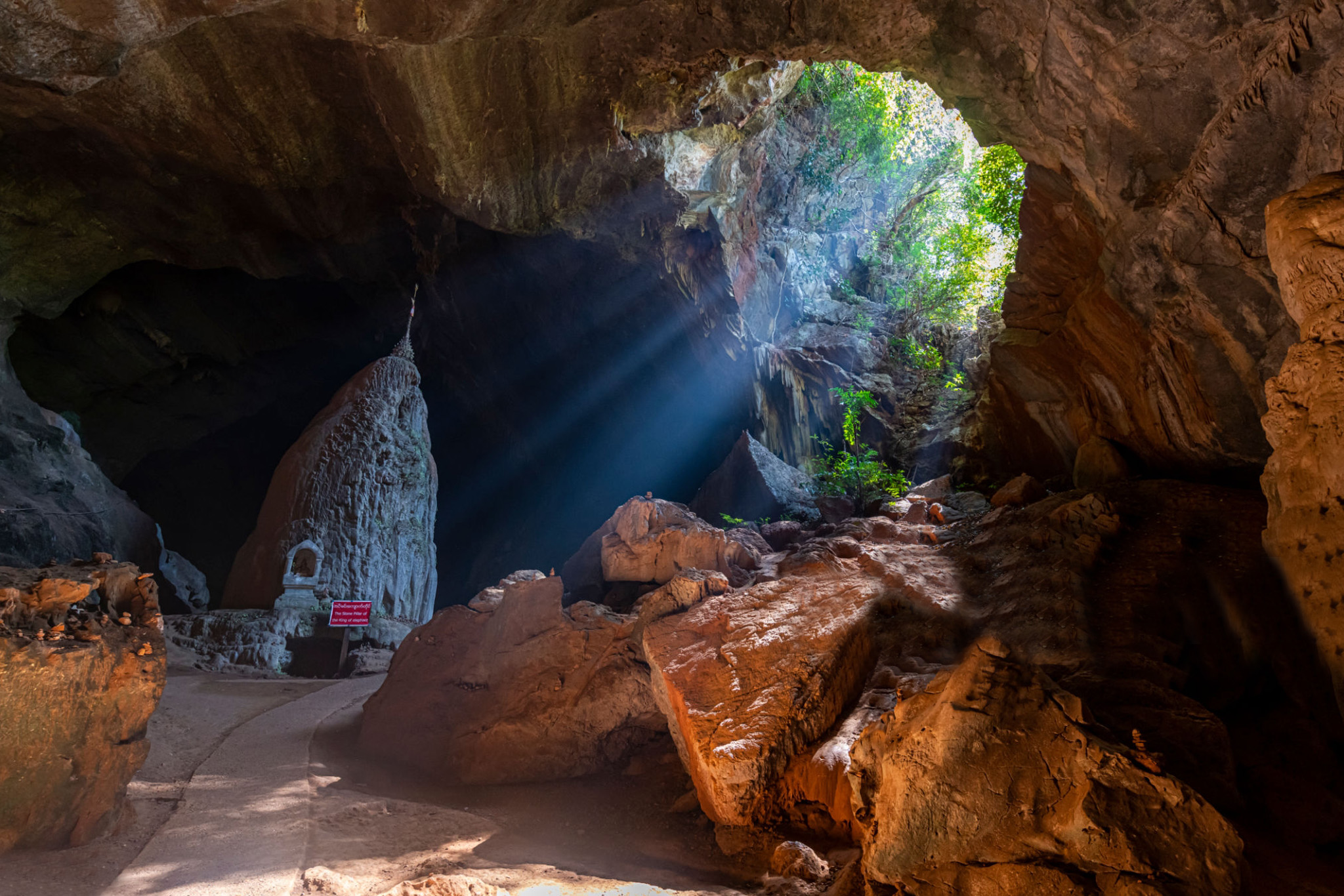
This football-stadium-sized cave is simply breathtaking, its entrance dominated by dozens of buddha statues, a couple of pagodas and some newer clay wall carvings. With the cave now illuminated, you can scramble for 15 or 20 minutes through chambers as high as a cathedral, past truck-sized stalactites and, in places, walls of crystal.As you emerge at the cave’s far side the wonders only increase: the burst of sunlight reveals a secret lake full of ducks and flowering lilies hidden in a bowl of craggy peaks. There's another cave on the far side of the lake that's actually half flooded, but local fishers occasionally paddle through it for 10 minutes to yet another lake. You may be able to persuade someone to take you along. Saddan Cave can be traversed only partially during the rainy season. Come during the dry season (around November to April) for the full experience.
Kyauk Kalat Pagoda
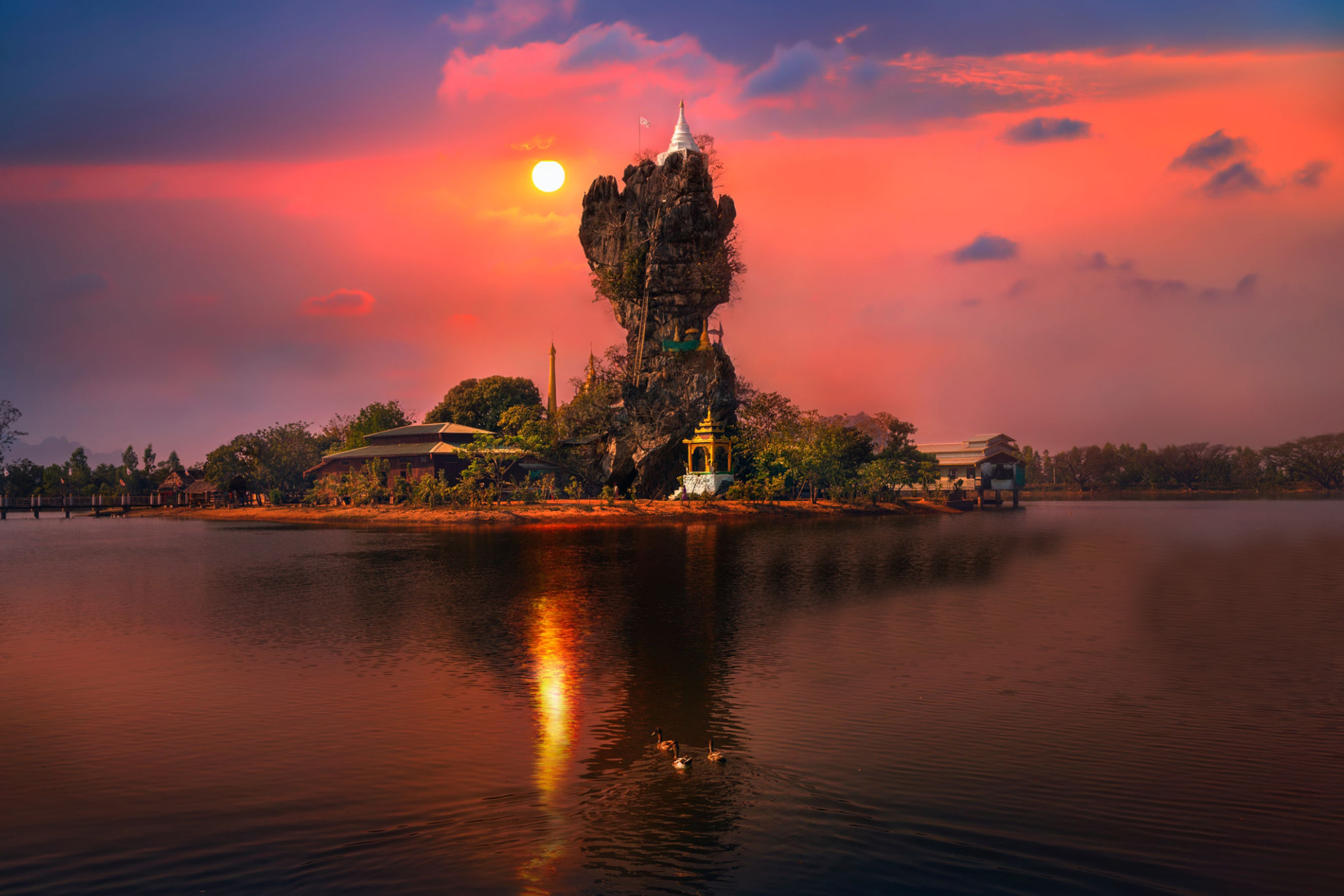
Hpa-an’s Kyauk Kalat Pagoda is a stunning stupa-topped limestone pinnacle, set on a tiny isle dotted with monastic buildings itself set in a lake fluttering with white egrets and surrounded by paddy. With Mount Zwegabin as the dramatic backdrop, it’s a gorgeous sight. In fact while not (yet) as well-known among tourists as for instance Shwedagon, Mount Popa, U Bein Bridge or the Golden Rock, Kyauk Kalat would certainly merit a position on any list of Burma’s most iconic sites. The island is reached by a wooden footbridge and visitors are permitted to reach as high as a shrine halfway up the outcrop. While you are free to wander anywhere else, it is an active monastery and meditation site, so leave your footwear at the end of the bridge and please behave quietly and respectfully.
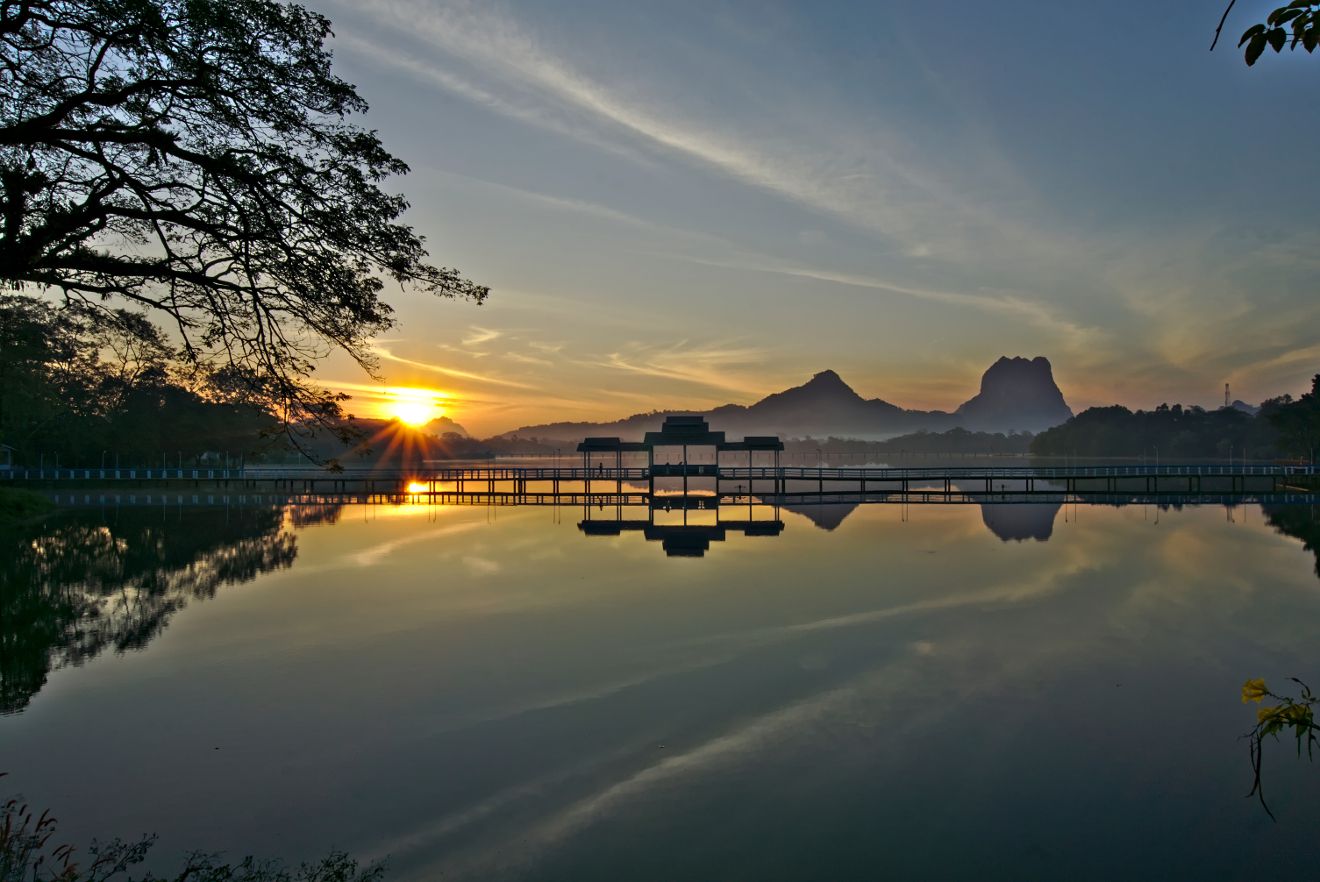
Hpa-an
Though Hpa-an is officially the capital of Kayin (or Karen) State, it has the distinct feel of a country town. With the completion in early 2016 of a new highway linking Hpa-an to the Thai border at Mae Sot and Yangon plus the improved border crossing facilities at Myawaddy, things are changing rapidly. Traditionally a market centre and transport hub for the surrounding region, these days well-heeled local visitors from farther north are profiting from its new accessibility as Thais flock over the border on their holiday weekends. As a convenient land crossing between Thailand and Burma, Khao San Road and Chiang Mai tour agents now offer ‘direct’ tickets to Yangon, passing through Myawaddy and Hpa-an, and many of the more adventurous seem to be breaking up the journey with a stop in this picturesque region.
Local Specilities
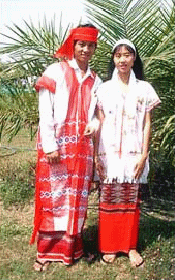
Traditional Costume
Kayin men wear their headdresses with tassels hanging loose on the right side of the head. They wear trousers, longyis, shirts and tunics, which can be either pullover-type or jacket-type. Their longyis have horizontal stripes with a parallel strip in the middle. Kayin women dress in long tunics and longyis, with headbands that have both ends hanging in the front.
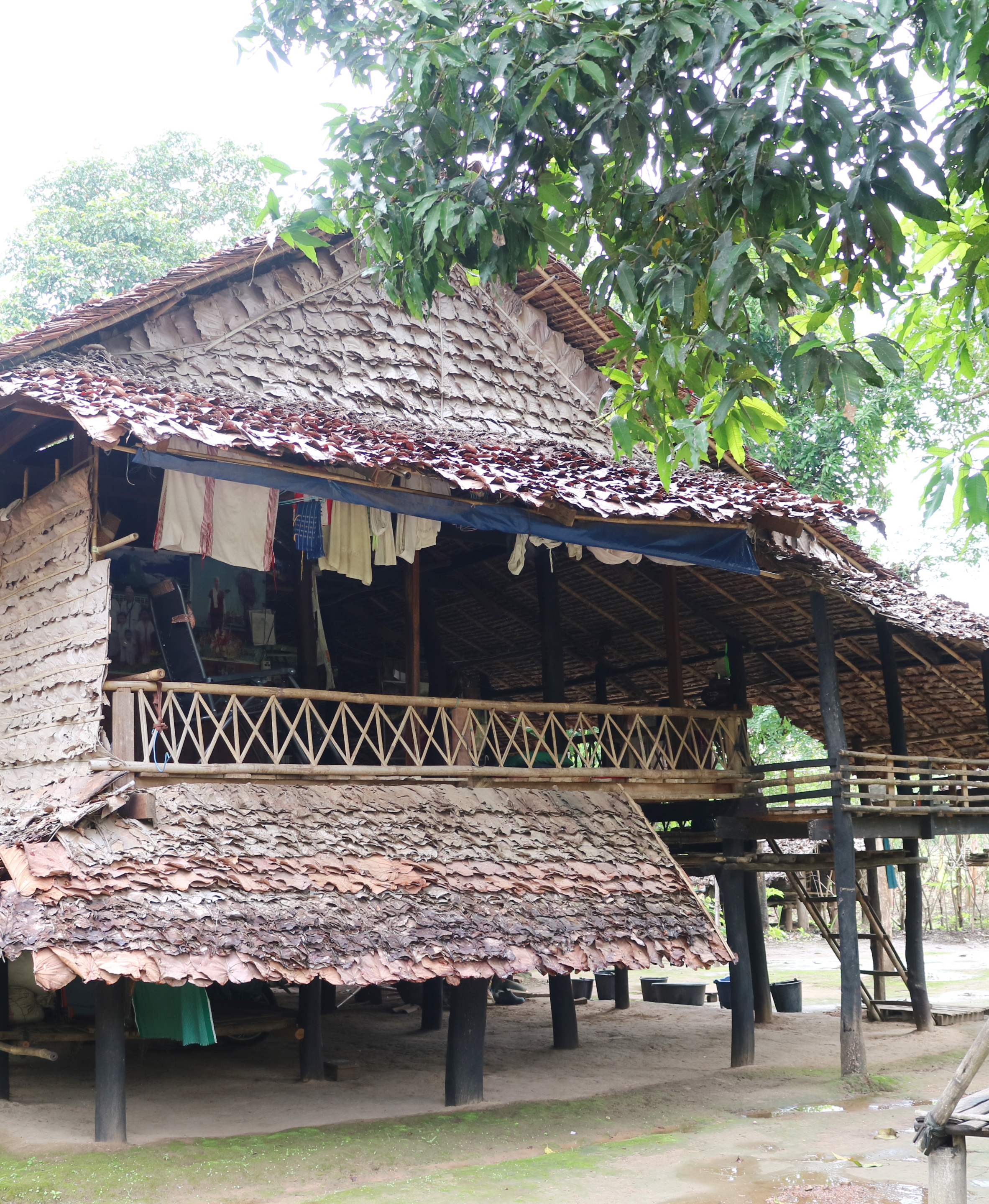
Kayin Traditional House
It is mainly use bamboo and timber in its construction as well as it decorative with bamboo tiles/ thatch in roofing. Roofing is all based on pitch form. There are no decorative elements such as sculptureor arabesques at their houses. Common decorative elements were found in door leaves, veranda handrail and window leaves.
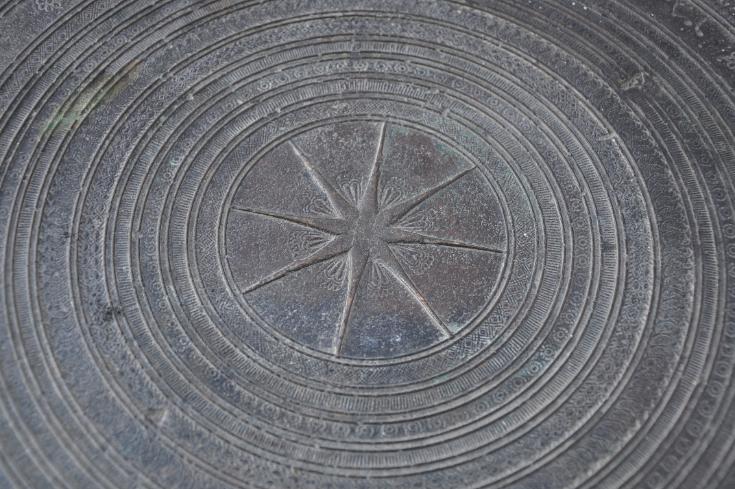
Kayin Frog Drum
The Kayin regarded such drums as their most precious possessions. The deep tone of the drums was believed to be pleasing to ancestral spirits and to the nat spirits. Possibly, the drums were also beaten in conjunction with rice planting festivals to encourage the rains – sometimes they are referred to as rain drums.
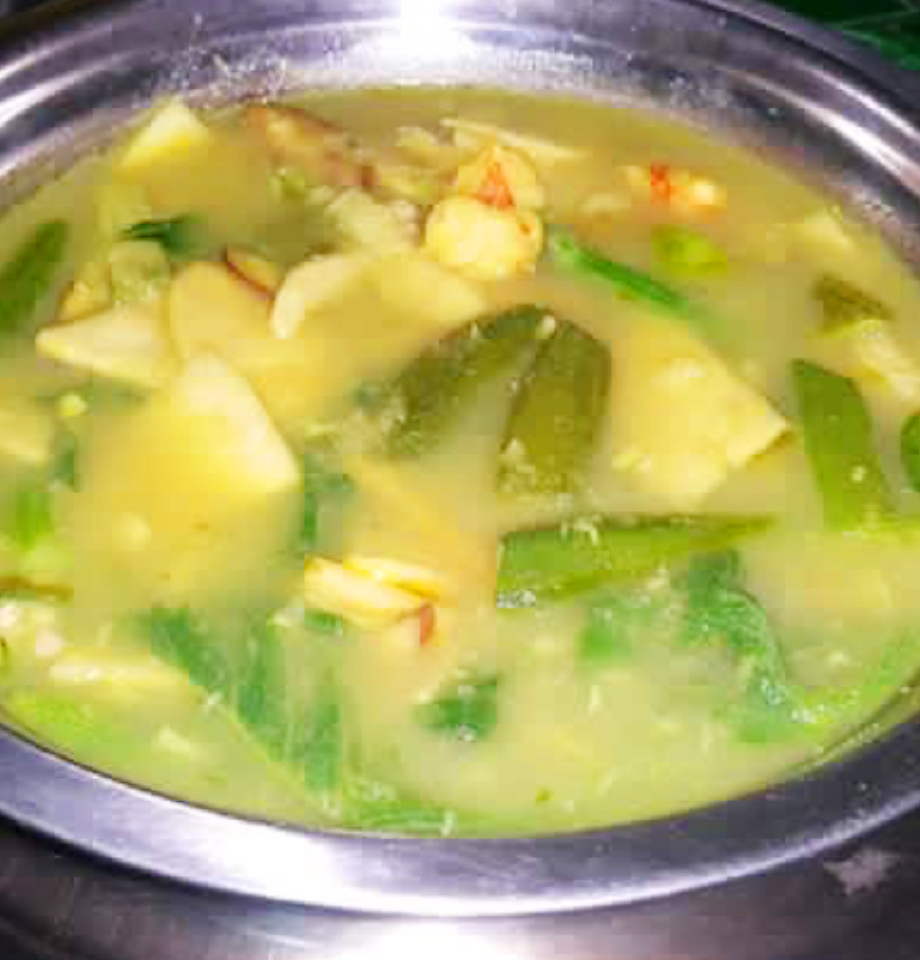
Tarlapot Hinn
A dish of Kayin people, Tarlapot Hinn is the most popular food of the state. It is the most ancient curry of the Kayin people and is still popular. The taste and cooking style is different according to the states. Some eats as a soup and some eat as a curry with pork. Try this curry when in Kayin state.
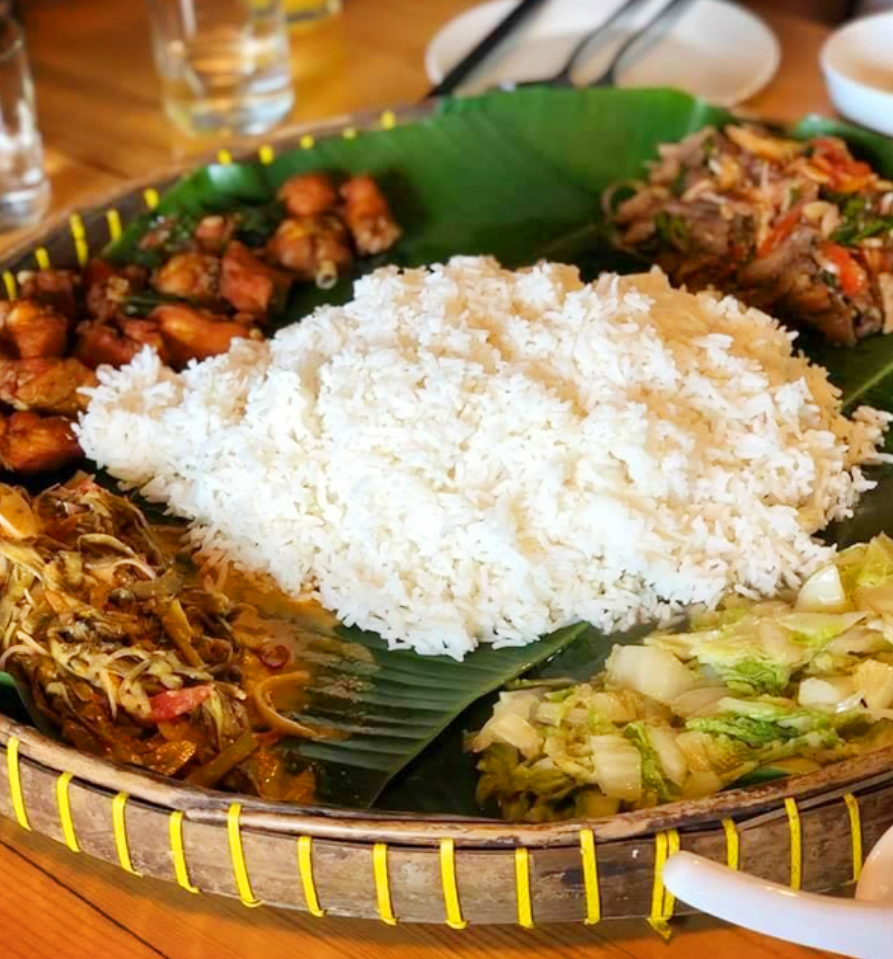
Kayin Sakaw Htamin
Kayin Sakaw Htamin is one of the signature dishes you must try. You can get the various tastes in one dish; sweet, spicy, salty and sour. It makes you to have deliciously.
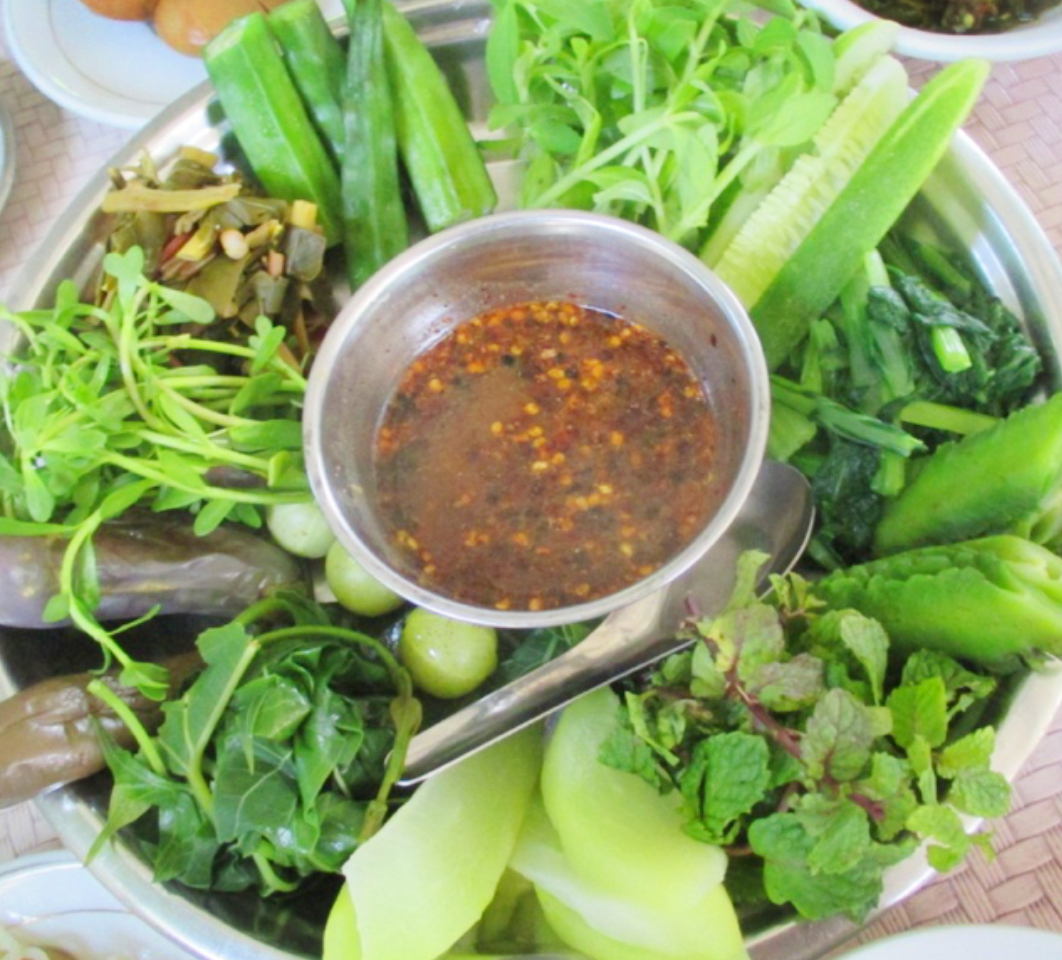
Fish Paste “Ngapi”
An essential bowl in daily meal is Ngapi. There are a lot of dishes which use “Ngapi” as a main ingredient. It is more popular in lower Burmese cooking. Kayin people eats Ngapi as a soup based (boiled Ngapi) mixed with large green chilli and garlic. They usually eat with vegetables and some can eat rice only with Ngapi.