The People
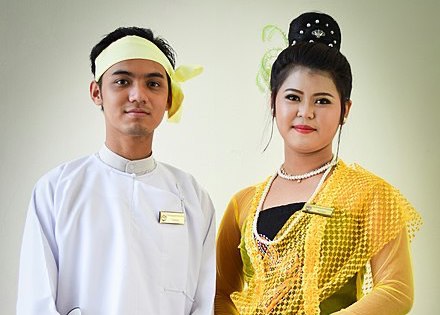
The Rakhine people speak a nonstandard variety of Burmese. They live throughout Rakhine State, Myanmar, mainly in the townships of Sittwe, Ponnagyun, Kyauktaw, Mrauk Oo, Kyauk Phyu, Man Aung, Taunggup, and Thandwe. Many other minority people living in Rakhine State and nearby Paletwa Township (Chin State) can also speak Rakhine as their second language.
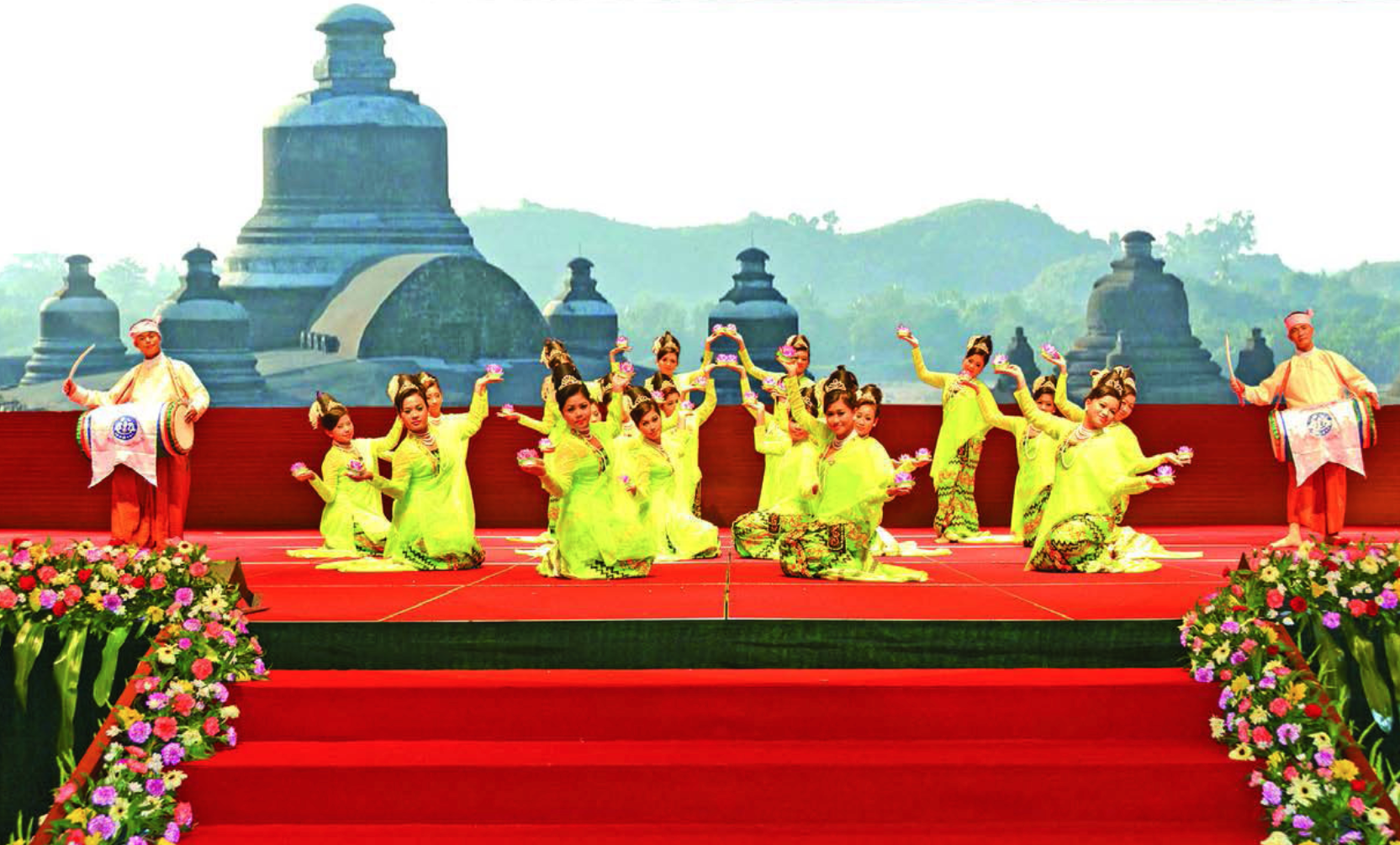
BASED on Theravada Buddhism, the Rakhine culture, literature, music and fine arts have flourished. The Rakhine oillamp choral dancing is famous; so are the traditional slash-andburn dancing by Thet ethnic people, plate dancing by ethnic Maramargrees, bottle-dancing on the head by Dainet ethnic people and horn-dancing by ethnic Mros famous in their own ways in the Rakhine State.
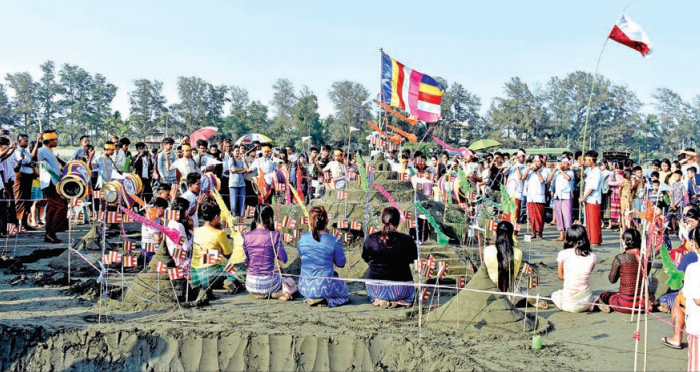
The Shite-Thaunghmyaut, or traditional sand pagoda festival of the Rakhine, was held at Sittway’s urban Point and Ngapali Beach on the Full Moon of Tabaung. The Rakhine people build sand stupas on the Full Moon of Tabaung as a form of reverence to the 84,000 Dhammakkhandha (Dhamma teachings) of the Buddha. The tradition is a way to invoke abundance of crops, safety from various kinds of danger, good weather, and peace and prosperity on the country.
RAKHINE
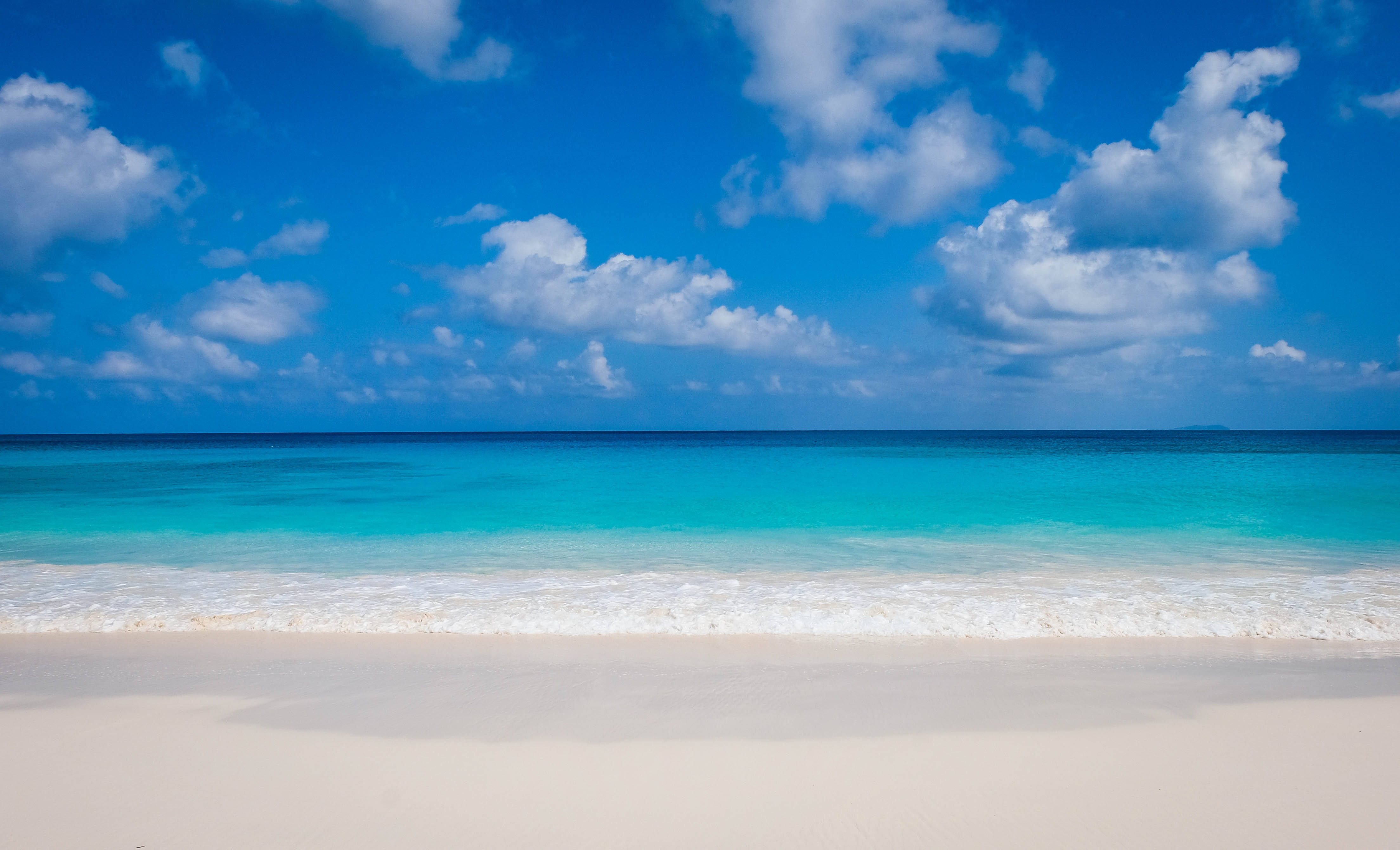
Rakhine State is located on the western coast of Myanmar. It has a long coastline on the Bay of Bengal in the west. The Arakan Mountains, rising to a height of 10,049 feet at Victoria Peak separate Rakhine State from central Burma. The state has some fairly large islands off the coast such as Cheduba and Myingun Islands. Rakhine hosts the Ngapali Beach, one of Myanmar’s premier beach destinations, located only 45 minutes by air from Yangon. Although the beach is quite popular, it is not very crowded. It is famous for its turquoise waters, wide stretches of white sand, palm tree groves and fishing village, it is relatively unspoilt.
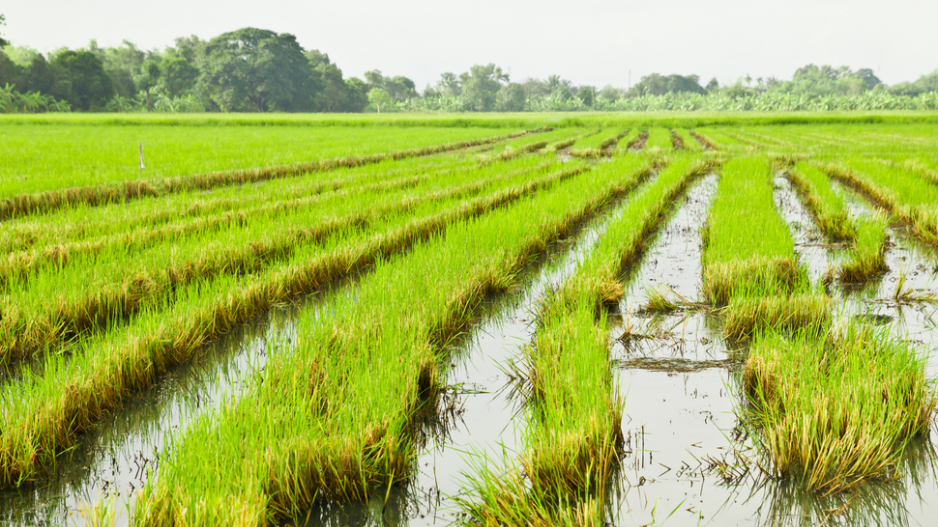
Rice is the main crop in the region, occupying around 85% of the total agricultural land.
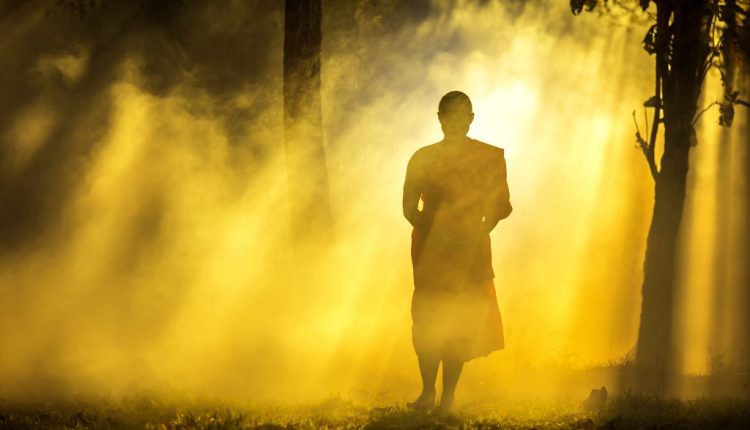
Arakaneses (Rakhine) are traditionally Theravada Buddhism.
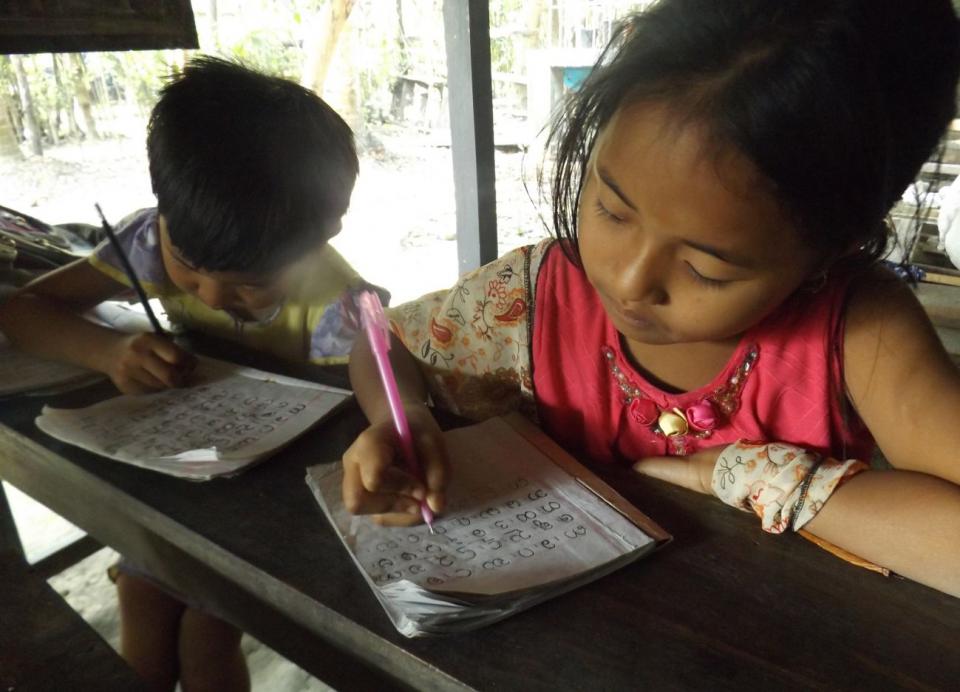
Rakhine language is closely related to Burmese, of which it is often considered a dialect.
Mrauk U
The abandoned city and hundreds of temples and pagodas at Mrauk U (also spelt Mrauk Oo and pronounced ‘Myow Oo’ or ‘Mrow Oo’, depending on Burmese or local Rakhine pronunciation) lie across rolling northern Rakhine State hilltops and form an awe-inspiring sight, whilst providing an experience quite unlike anything else in Myanmar. From the 15th to 18th centuries, Mrauk U was the capital of a mighty Arakan kingdom, frequently visited by foreign traders (including Portugese and Dutch), and this is reflected in the grandeur and scope of the structures dotted around its vicinity. But after the First Anglo-Burmese War in 1826, the British moved the regional trading centre down the Kaladan river to Sittwe, and Mrauk U went into decline. Today part of its allure lies in its isolation from the rest of the country; the lack of development; and that (for the moment) you are more likely to bump into a cow or a goat than into another tourist.
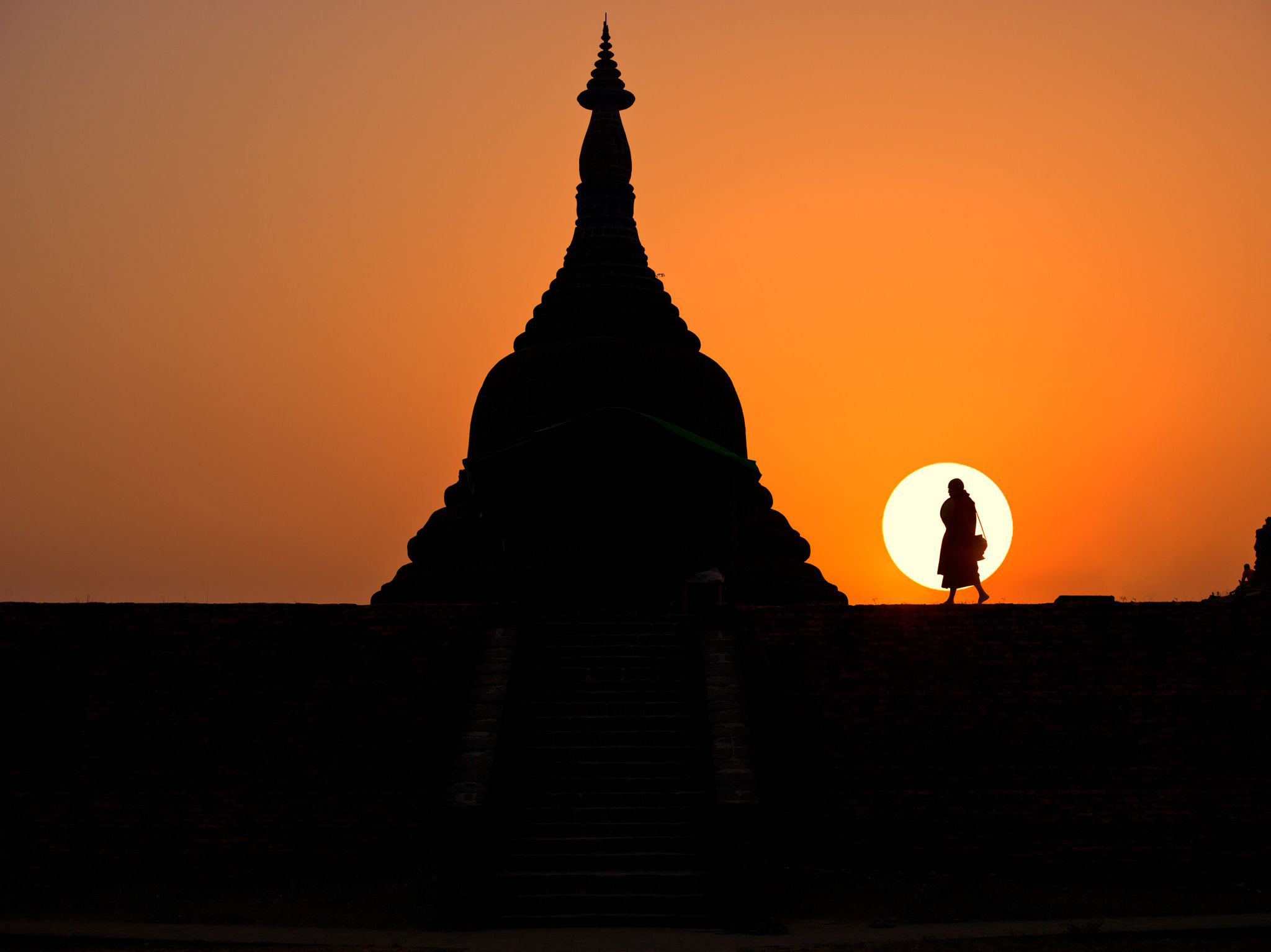
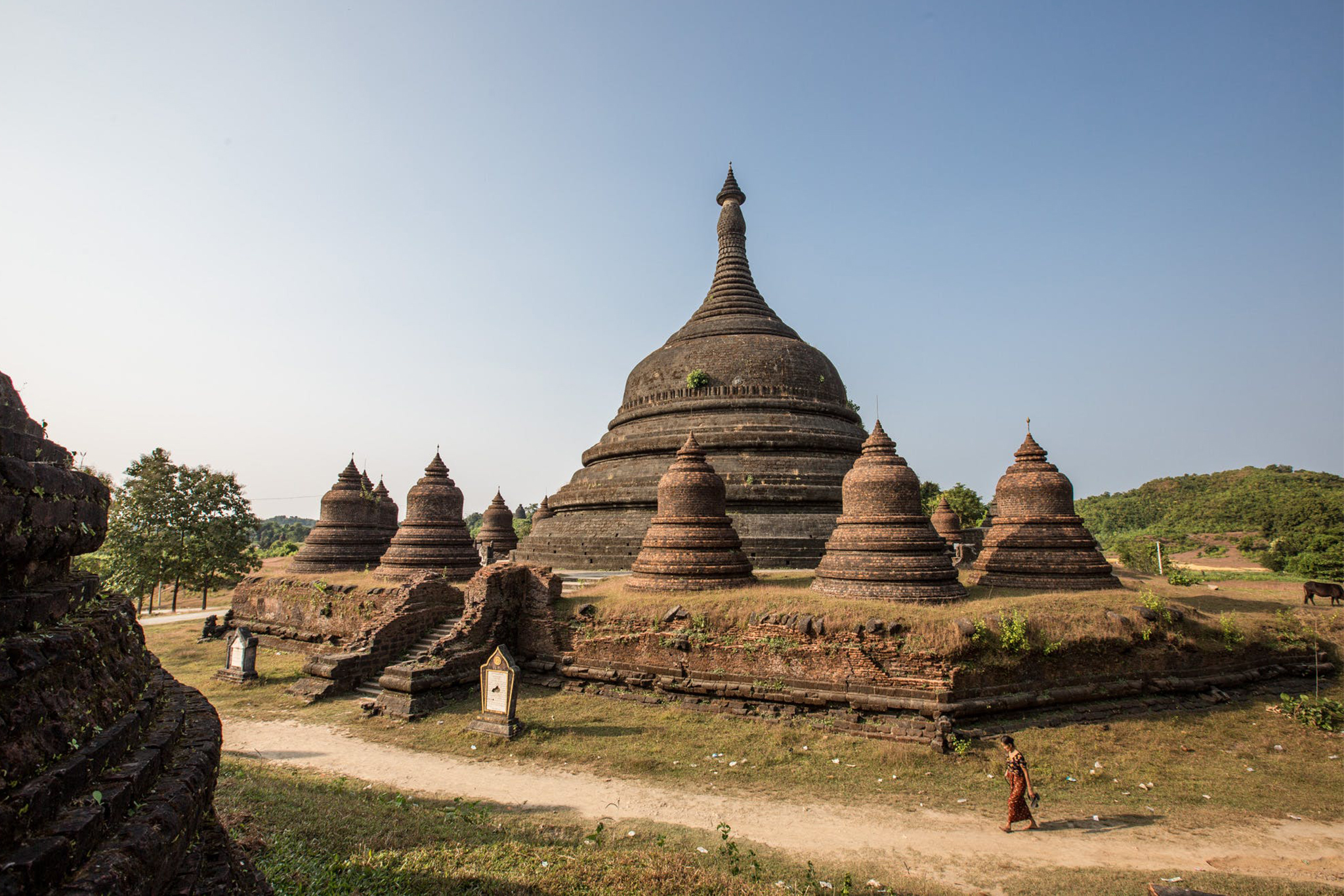
Andaw Thein Temple
Andaw Thein Temple first became famous as a reliquary for one of the Buddha's teeth, which historians believe may have originally come from Sri Lanka. The name literally translates to “tooth shrine,” and tours of Mrauk U stop here to appreciate the distinctive pagodas, very much unlike what you’ll see in other parts of Myanmar. Like the rest of Mrauk U, this site dates back to the 16th century and the height of the Arakan kingdom. Unlike the ruins of sites like Bagan, the site here hasn’t been overly restored. Instead, it’s still very much a part of the local community. This is one of the many bell-shaped pagodas that surrounds the famous Shitthaung Temple, and you’ll find this one near the temple’s northwestern corner.
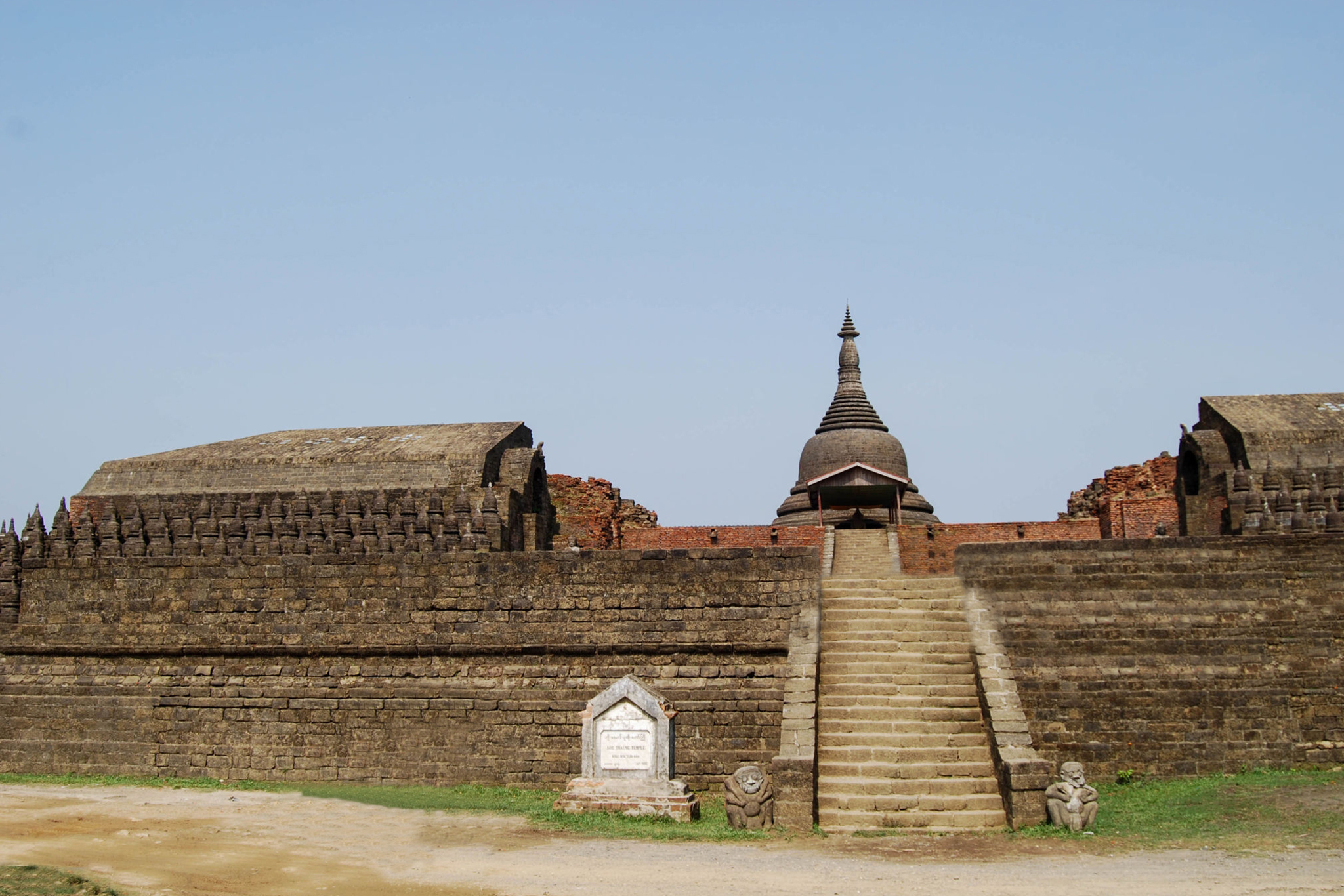
Koe Thaung Temple
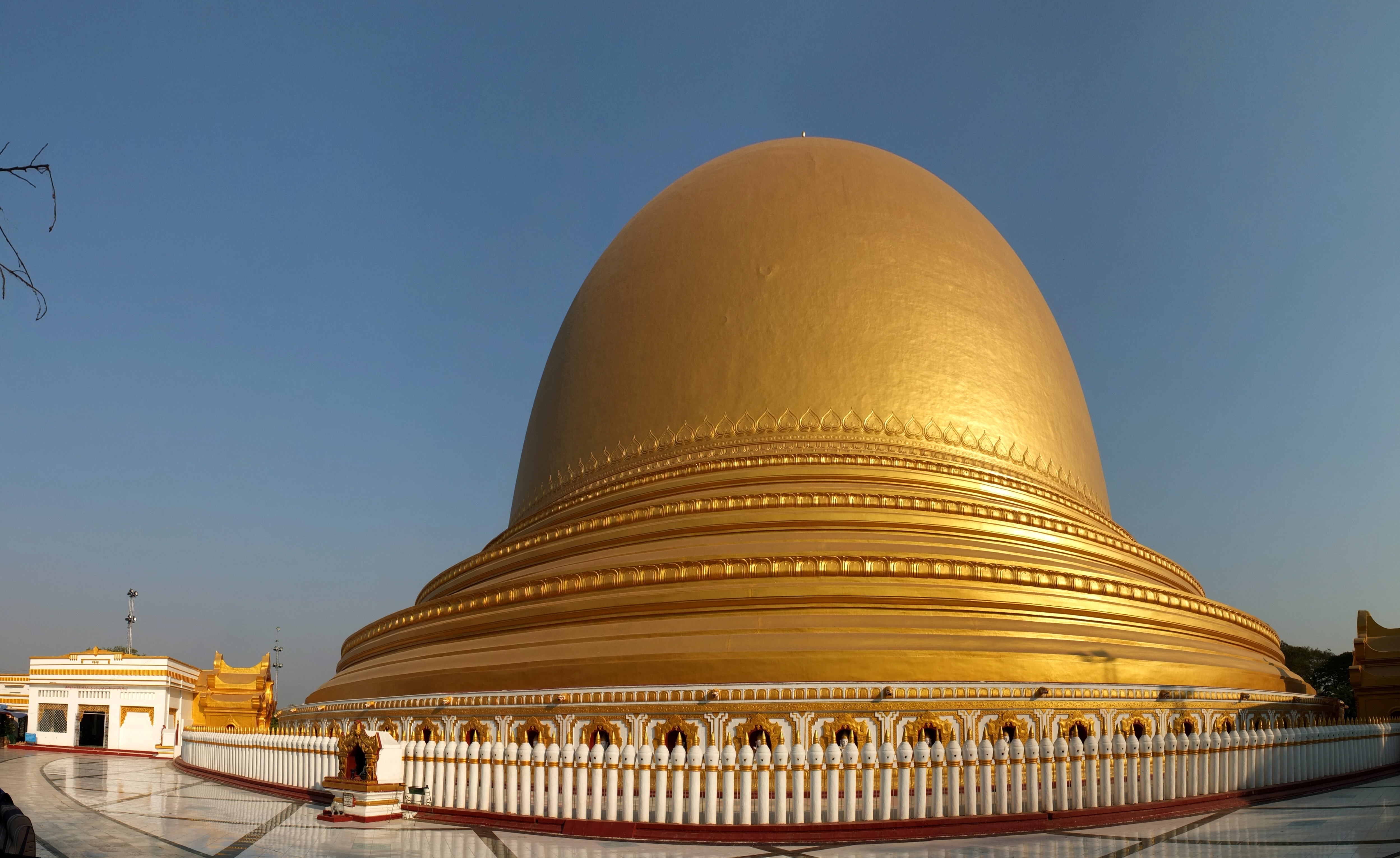
Koe Thaung translates to “shrine of the 90,000 images of the Buddha”, referring to the number of Buddha images that it contained. The temple was built in 1553 to gain religious merit by King Min Dikkha, the son of Min Bin who built the Shite-Thaung (“temple of the 80,000 images of the Buddha”) three decades earlier. After being abandoned centuries earlier, excavation works started in 1996 and the Koe-Thaung was partly restored. During excavation works several items were found like stone oil lamps, that were used to illuminate the dark interior of the temple. The massive Koe-Thaung temple is built of stone walls and stone terraces and has a maze like interior. Its entrance is on the East side. The temple is surrounded by five receding terraces on which a large number of small stupas stand. At the center of the Koe-Thaung is a large circular bell shaped stupa.
Ngapali Beach
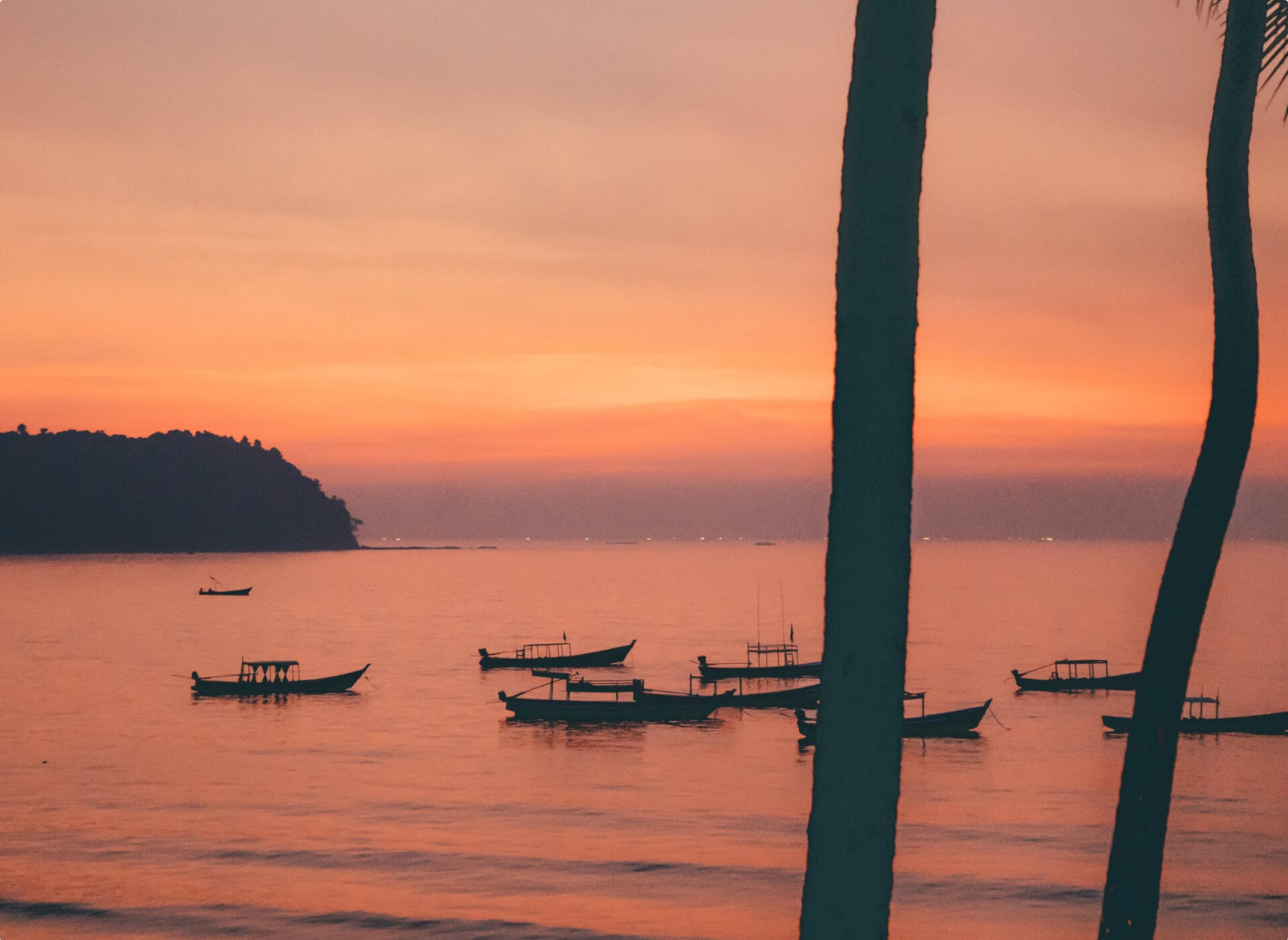
Ngapali (pronounced Napally and said to be named after the Italian city of Naples) is Myanmar’s premier beach destination. Located on the Bay of Bengal coast in Rakhine State, its main feature is an idyllic stretch of white sand and palm tree-lined coast, with a number of resorts spread out next to traditional fishing villages. There are also some new hotel developments on the beaches nearer the airport (which is named Thandwe after the nearby inland town, but is in fact located closer to Ngapali – about six kilometres north of the main beach). Ngapali is about relaxing and enjoying the sun, but other activities include taking trips on local fishing boats; kayaking; snorkelling or scuba diving amongst the brightly coloured fish; and cycling or motorbiking down the beach and around some of the local villages.
Local Specilities
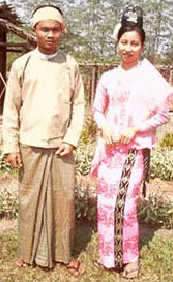
Traditional Costume
Rakhine men wear delicately woven longyis, shirts without collars and traditional jackets. They also wear ready-made turbans with the wing-cloth standing to the left. Rakhine women wear their hair in a variety of styles. They wear front-opening blouses buttoned either in the centre or on the side. Their longyis are woven in beautiful designs.
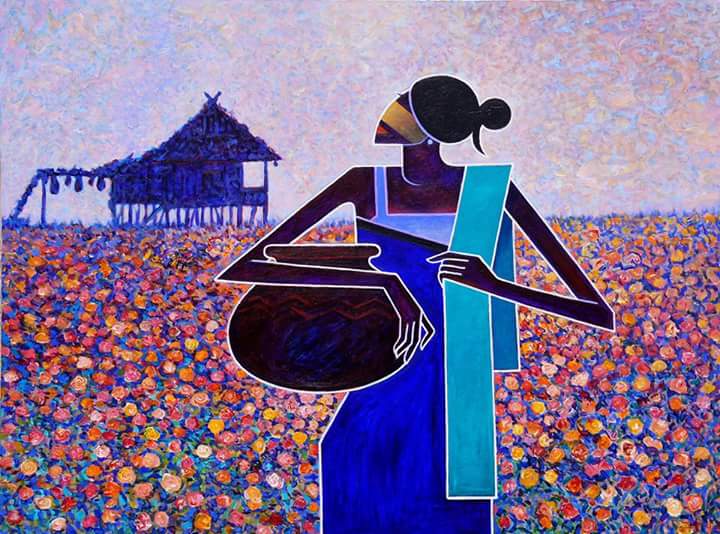
Ngapali Art Gallery, Thandwe
Ngapali Art Gallery is located in Thandwe. It opens all day from 9AM to 9PM and you can observe the Rakhine art from realistic to abstract in there and buy them at a fair price. Many of the travellers who have been to this museum said that the art are well above average and are interesting.
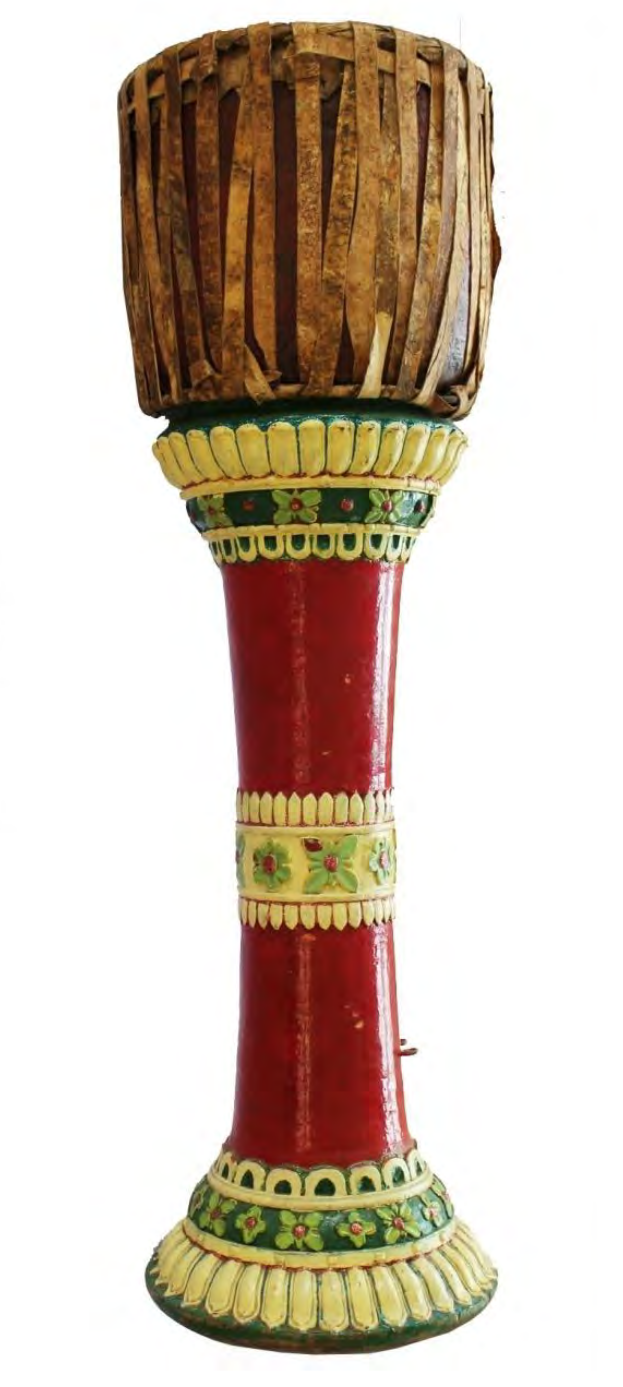
Rakhine Ozi, Pot Drum
This is the Rakhine trditional musical instrument and it has made with Padauk wood which is used to make the body and two drumheads are covered with cow-skin and goat skin. Rakhine used to play it with hand, and according to the song, it has to play together with the cymbals and gong.
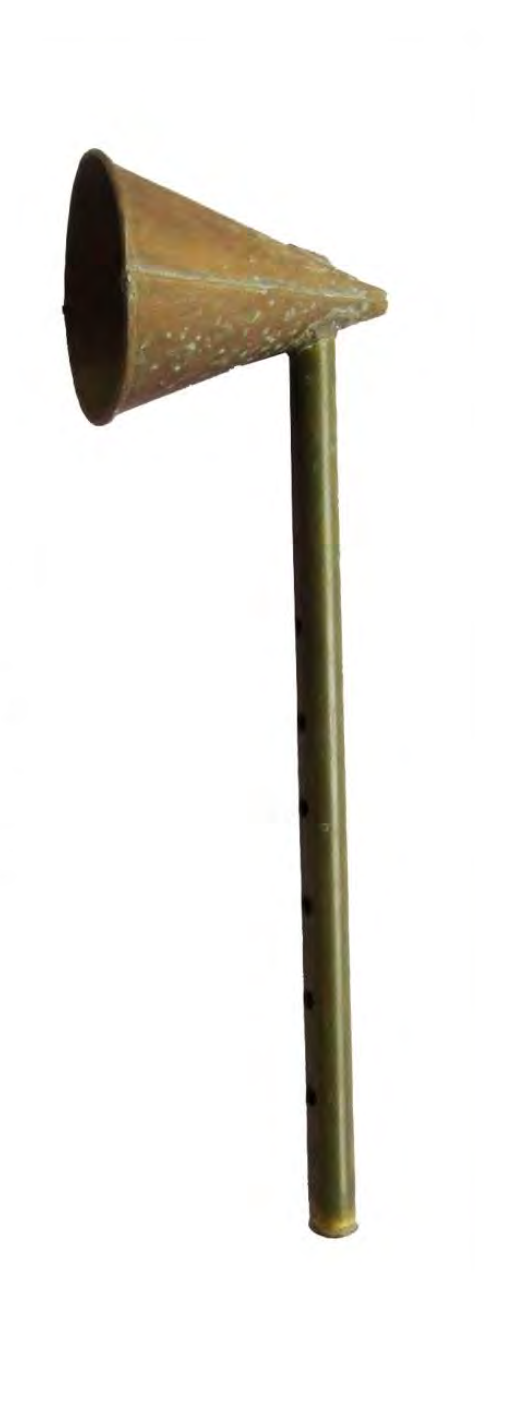
Rakhine Than Palwei ( Iron flute)
Iron-rod is used to make it and is with holes. The conical shape of iron is put on the top of the iron-rod. It is produced tune by making close or open onfret which is bored with holes. The size is 1 feet and 2 inches in length 3 inches in girth.
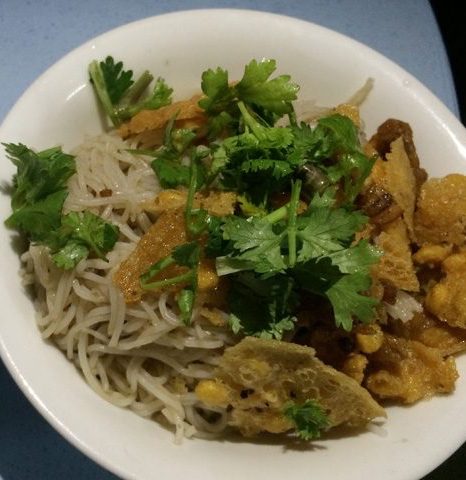
Mont Di Noodle Salad
Mont Di noodle salad is served with either hot noodle or sweet noodle salad. The hot noodle salad contains green chilli, natural nga pi and lemon so that you can savor the hot and and sour tastes. The sweet noodle option is better for children and those who cannot eat hot or spicy as it is milder without the chilli, but with fried potatoes and sour dressing.
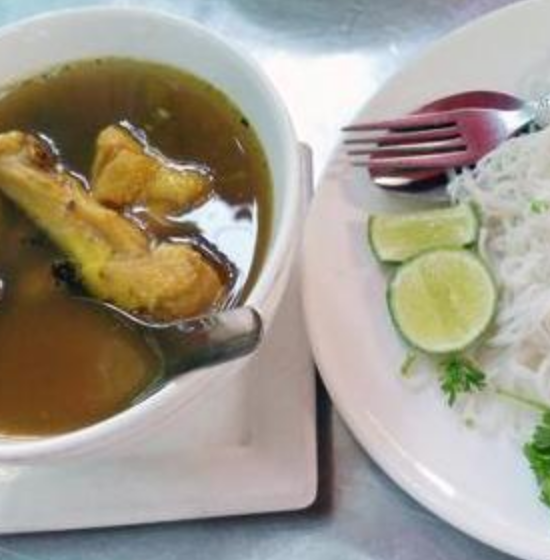
Ahr Bhu Shar Bhu Mont Di
Ahr Bhu Shar Bhu Mont Di is a hot fish soup with mainly pounded green chilli and large pieces of fish, great for those who enjoy a truly fiery taste.