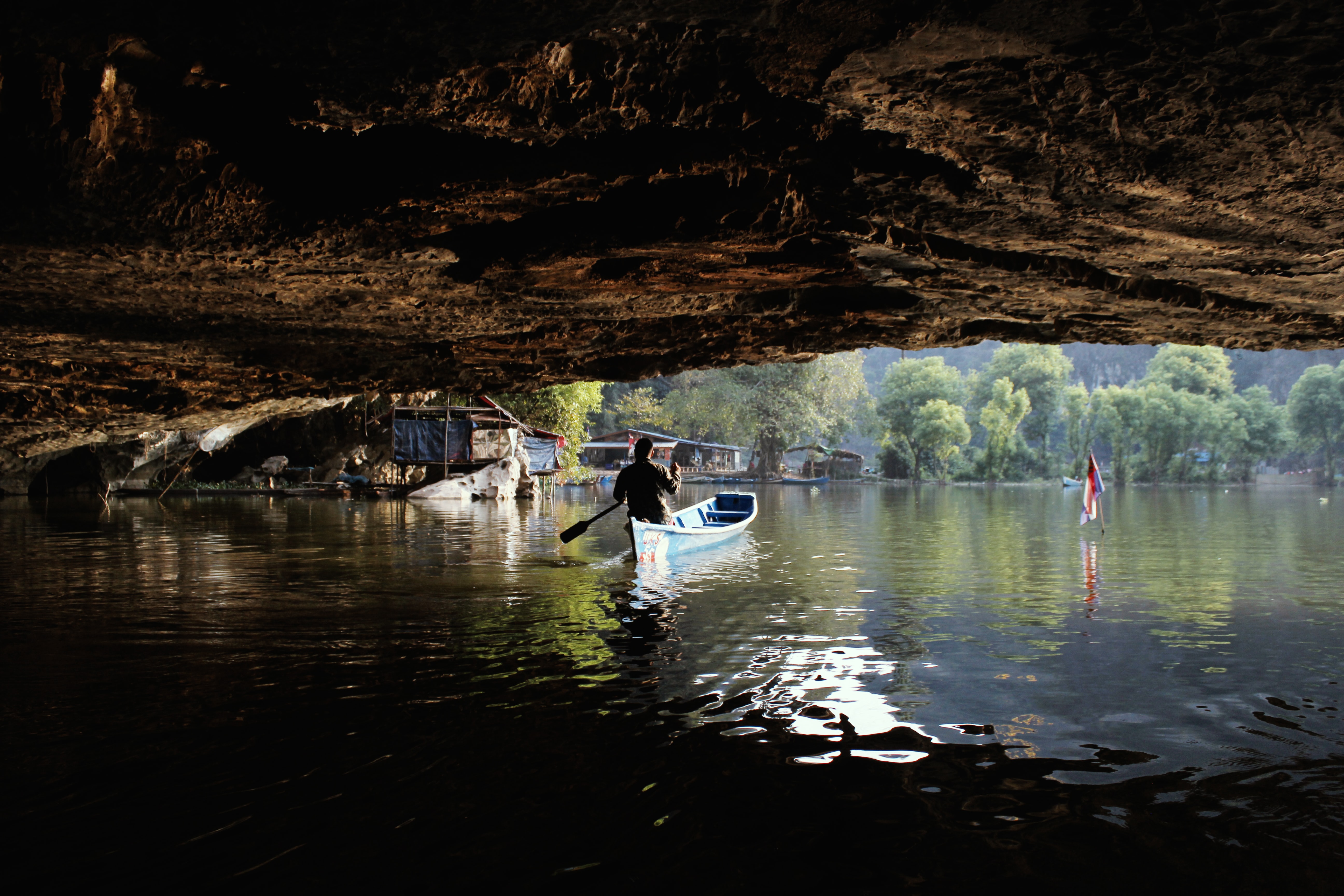
The People
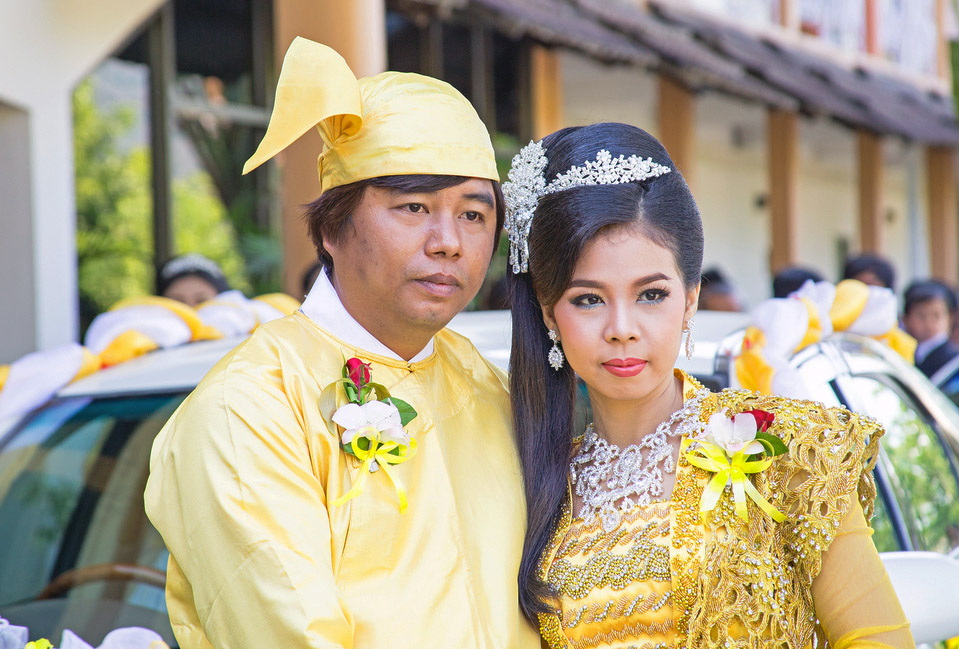
Myanmar’s majority group (around 40 million people, or two-thirds of the population), the Bamar have traditionally held sway over much of the country, particularly the fertile central plains and Ayeyarwady valley. Originally migrants from the southern China, the Bamar (or “Burmans”, as they were known in colonial times) were a wet-rice farming people, Theravada Buddhist by religion, whose tonal, Tibeto-Burman tongue – Burmese – has long been the national language.
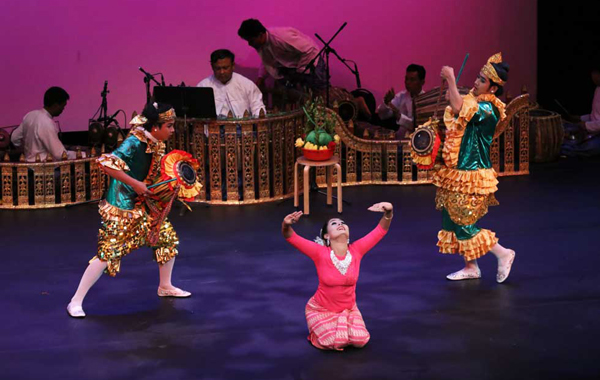
All-night performances, which combine melodrama, slapstick, traditional dance, and even pop music are called "zat pwe" in Burma. These seasonal events are staged in enclosed temporary bamboo theaters and are typically part of annual fund raising activities at pagoda festivals. The performers are traveling troupes, usually several dozen professional male and female dancers, musicians, comedians, and actors. These troupes travel widely throughout the country.
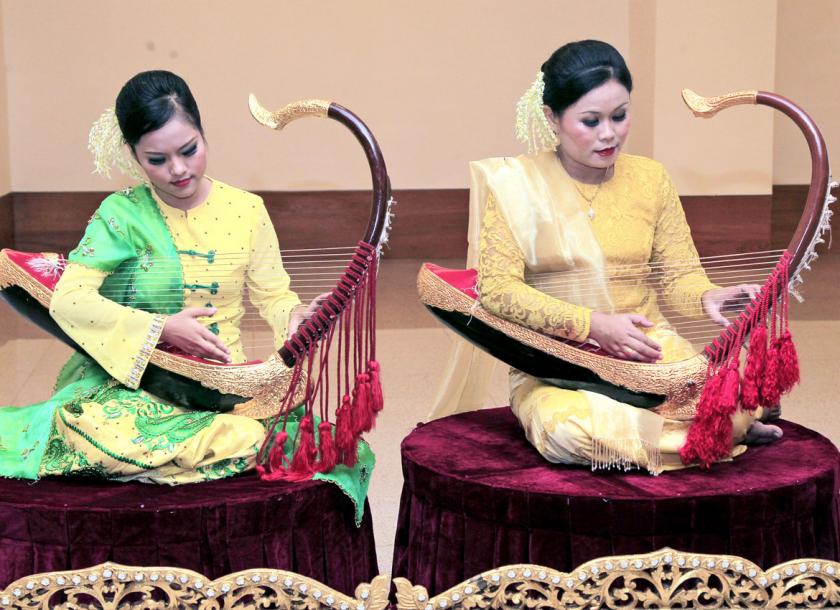
Traditional music from Burma is melodious, generally without harmony, and usually in 4/4 time (na-yi-se) or 2/4 (wa-let-se) or 8/16 (wa-let-a-myan). There are "the segments combined into patterns, combined into verses, combined into songs [that] make Burmese music a multileveled hierarchical system...The Burmese musician manipulates the various levels of the hierarchy to create the song..."
YANGON
Yangon is a region of importance nestled on the south-central part of Myanmar. Yangon is the capital of the Yangon region and the erstwhile capital of Myanmar. It is also the current commercial capital of the country as well as Yangon’s largest city. The city houses a large number of colonial-era buildings in Southeast Asia and has a unique colonial-era urban core that has been maintained over the years. The area around the Sule Pagoda is more than 2000 years old and is the commercial core of the city. Yangon is a vibrant city in flux and undergoing modernisation and also one of the most attractive cities in southeast Asia. Yangon is home to the nation’s most beloved landmark, the glorious Shwedagon Pagoda.
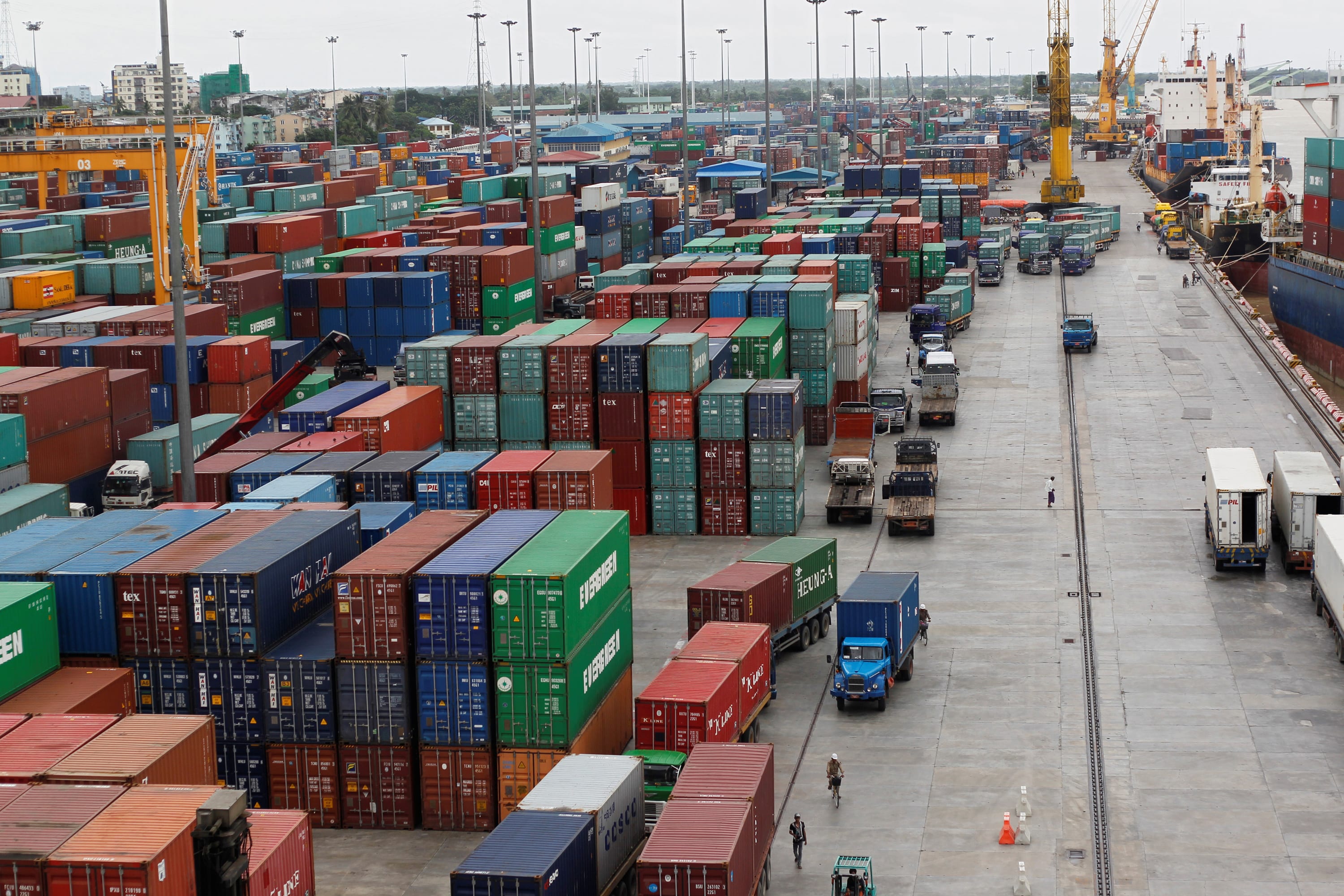
Yangon is the country's main centre for trade, industry, real estate, media, entertainment and tourism. The city represents about one fifth of the national economy.
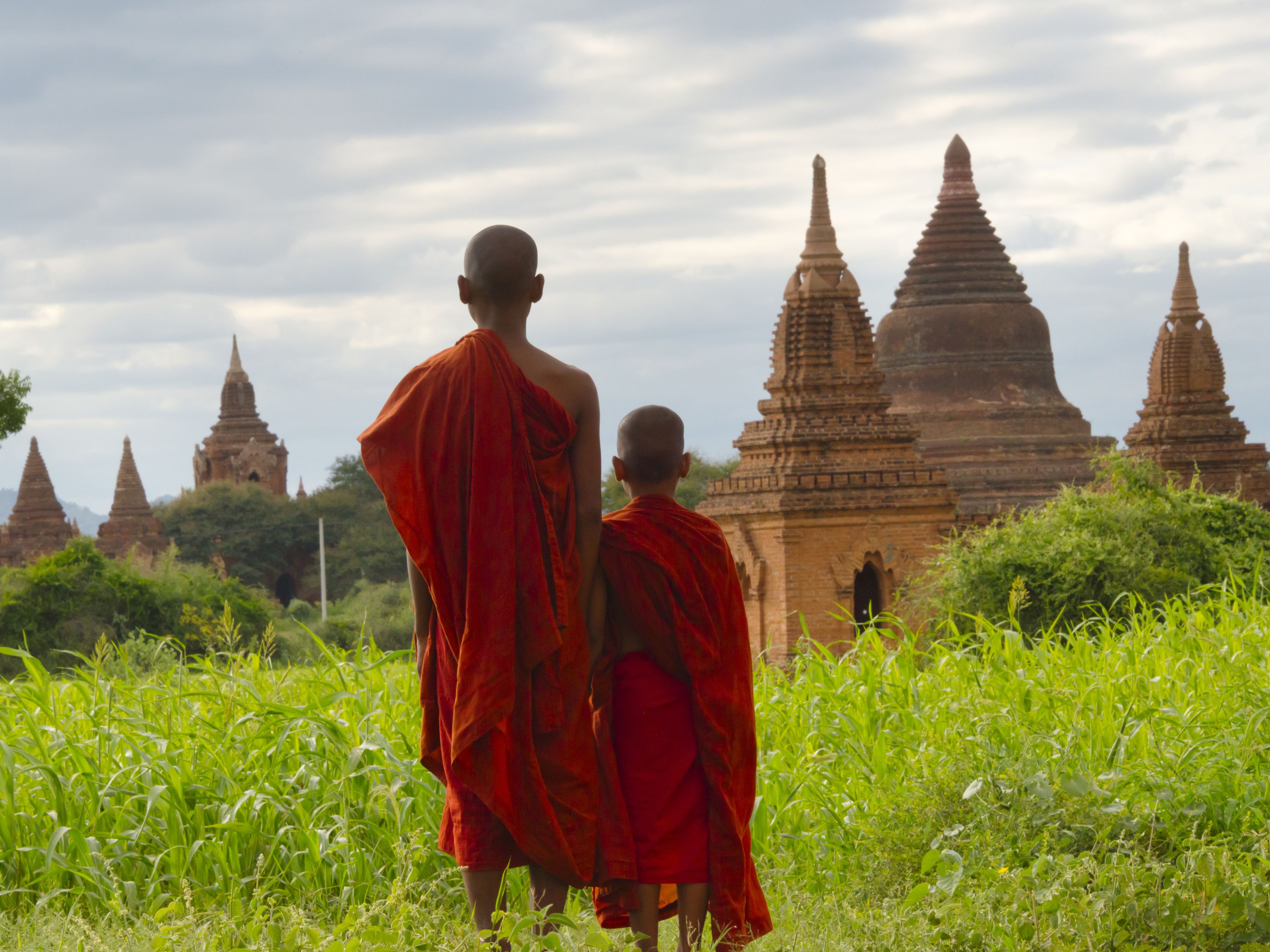
The majority in Yangon region follow Theravada Buddhism.
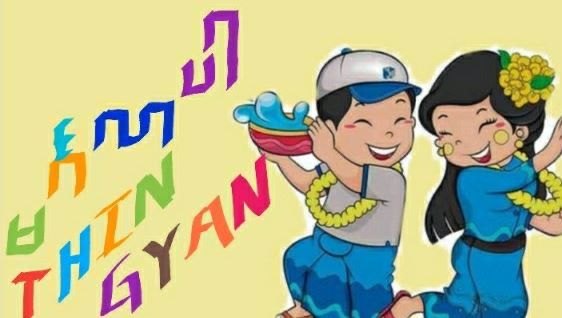
The majority in Yangon, Bamar people speak Burmese, a Sino-Tibetan language.
Shwedagon Pagoda
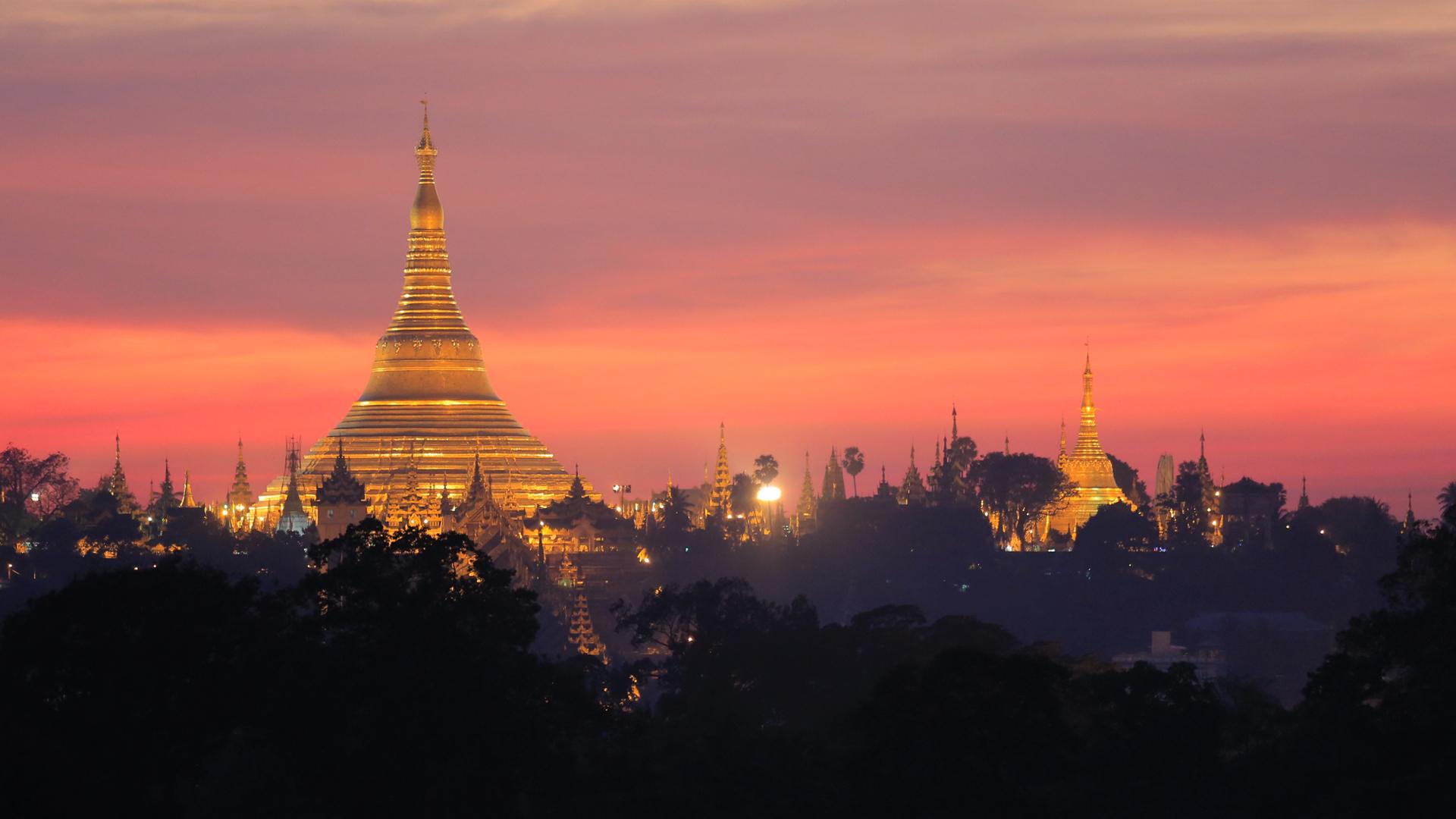
One of Buddhism's most sacred sites, the 326ft zedi (stupa) here is adorned with 27 metric tons of gold leaf, along with thousands of diamonds and other gems, and is believed to enshrine strands of the Gautama Buddha's hair as well as relics of three former buddhas. Four entrance stairways lead to the main terrace. Visit at dawn if you want tranquillity; otherwise, pay your respects when the golden stupa flames crimson and burnt orange in the setting sun. Legend has it that there's been a stupa on Singuttara Hill for 2600 years, ever since two merchant brothers, Tapussa and Ballika, met the Buddha. He gave them eight of his hairs to take back to Myanmar, a land ruled by King Okkalapa. Okkalapa enshrined the hairs in a temple of gold, together with relics of three former buddhas, which was then enclosed in a temple of silver, then one of tin, then copper, then lead, then marble and, finally, one of plain iron-brick.
Sule Pagoda
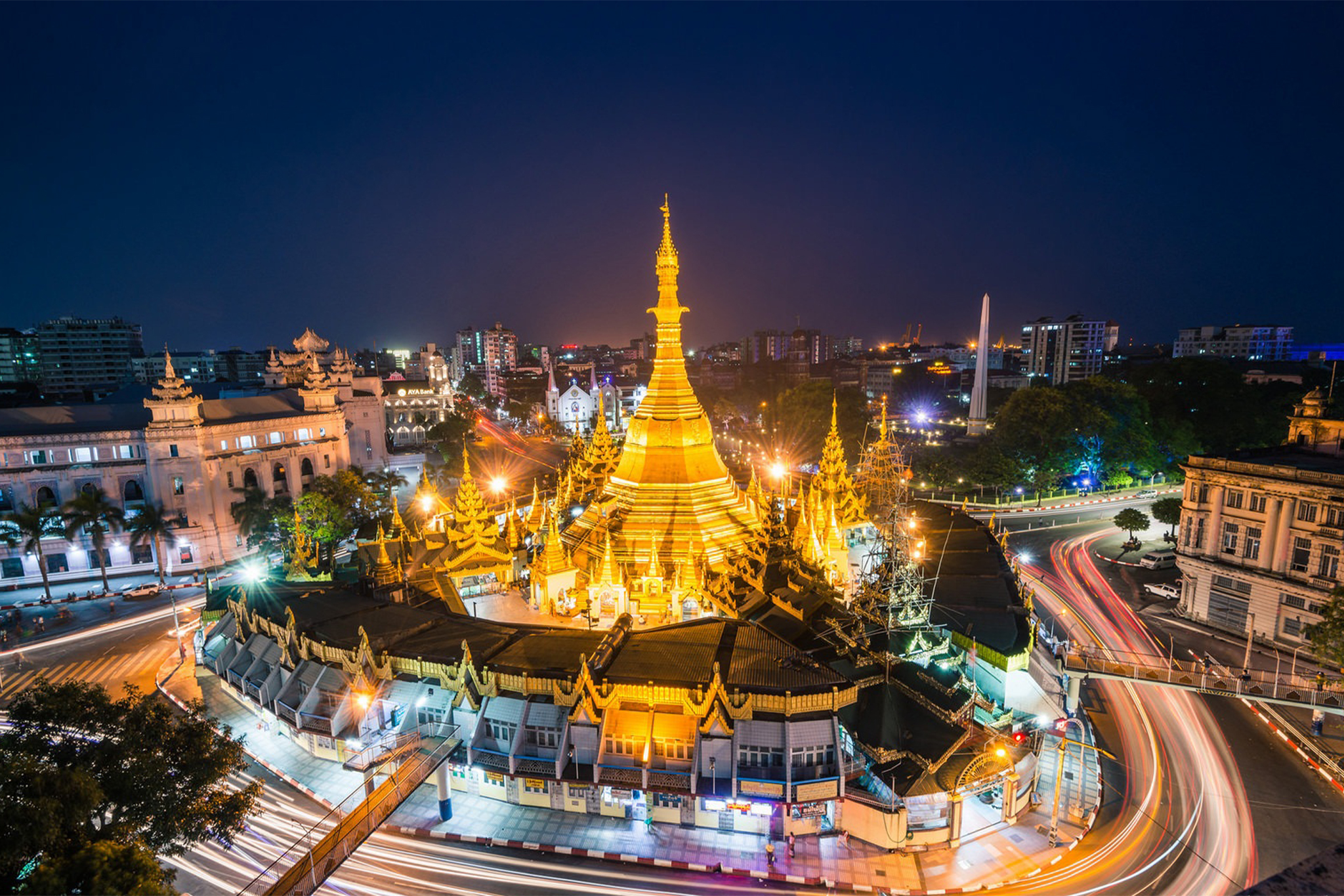
The Sule Pagoda is a small pagoda located in the center of Yangon. The pagoda, known in Burmese as the Kyaik Athok Zedi, is surrounded by busy streets, a market and colonial era buildings like the Supreme court building and Yangon city hall. According to legend the pagoda was built during the lifetime of the Gautama Buddha, about 2,500 years ago. The pagoda was much smaller at the time. It has been renovated and enlarged several times by later Kings. The paya reached its present height when it was renovated halfway the 15th century. The Sule pagoda is named after Sularata, the Sule Nat (spirit) who lived at the spot where the pagoda now stands. According to legend Sularata, a Nat millions of years old found the spot where relics of the three reincarnations of the Buddha were buried, and the location where the Shwedagon pagoda was to be build some 2,500 years ago.
Chauk Htat Gyi Pagoda
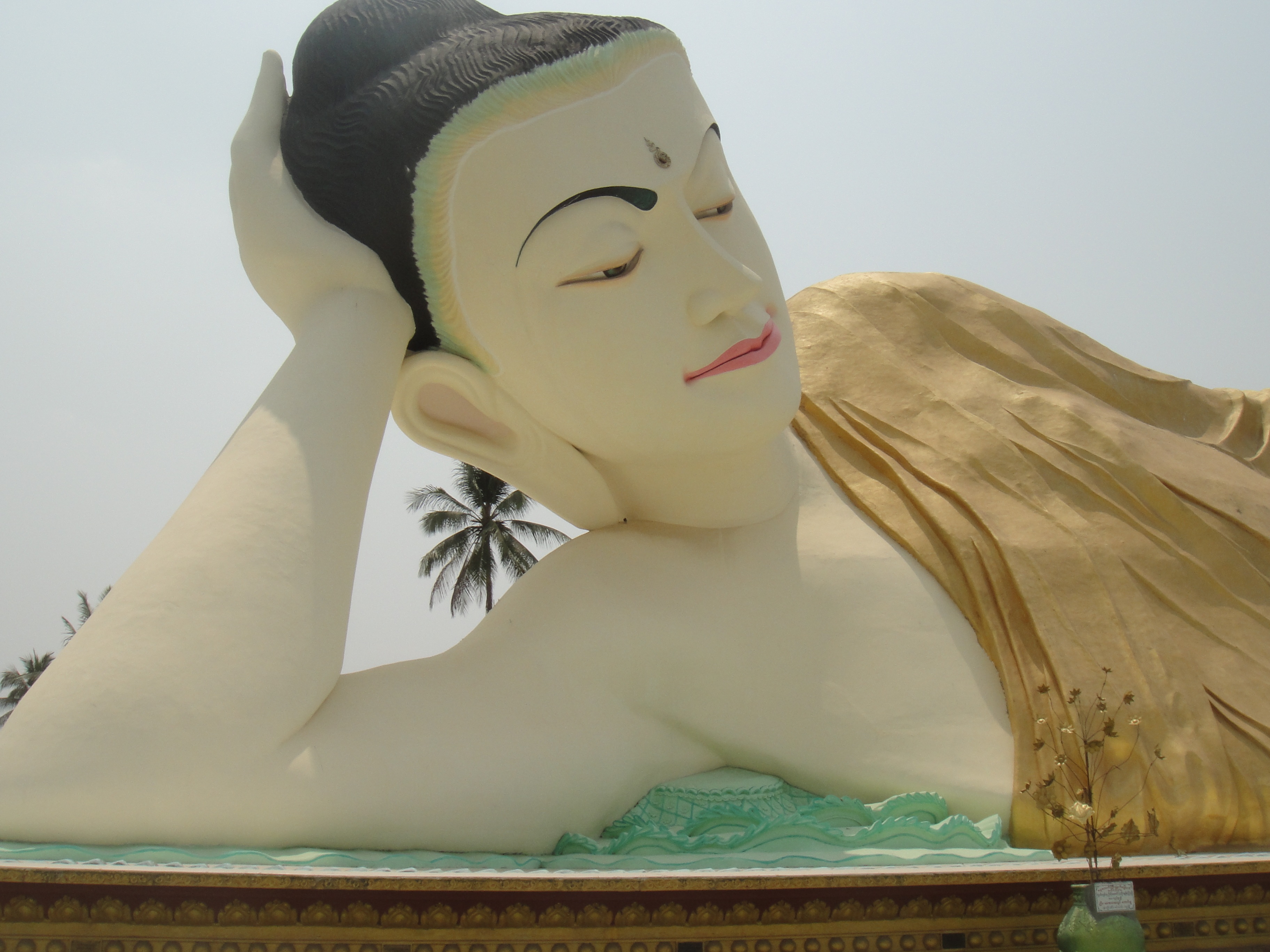
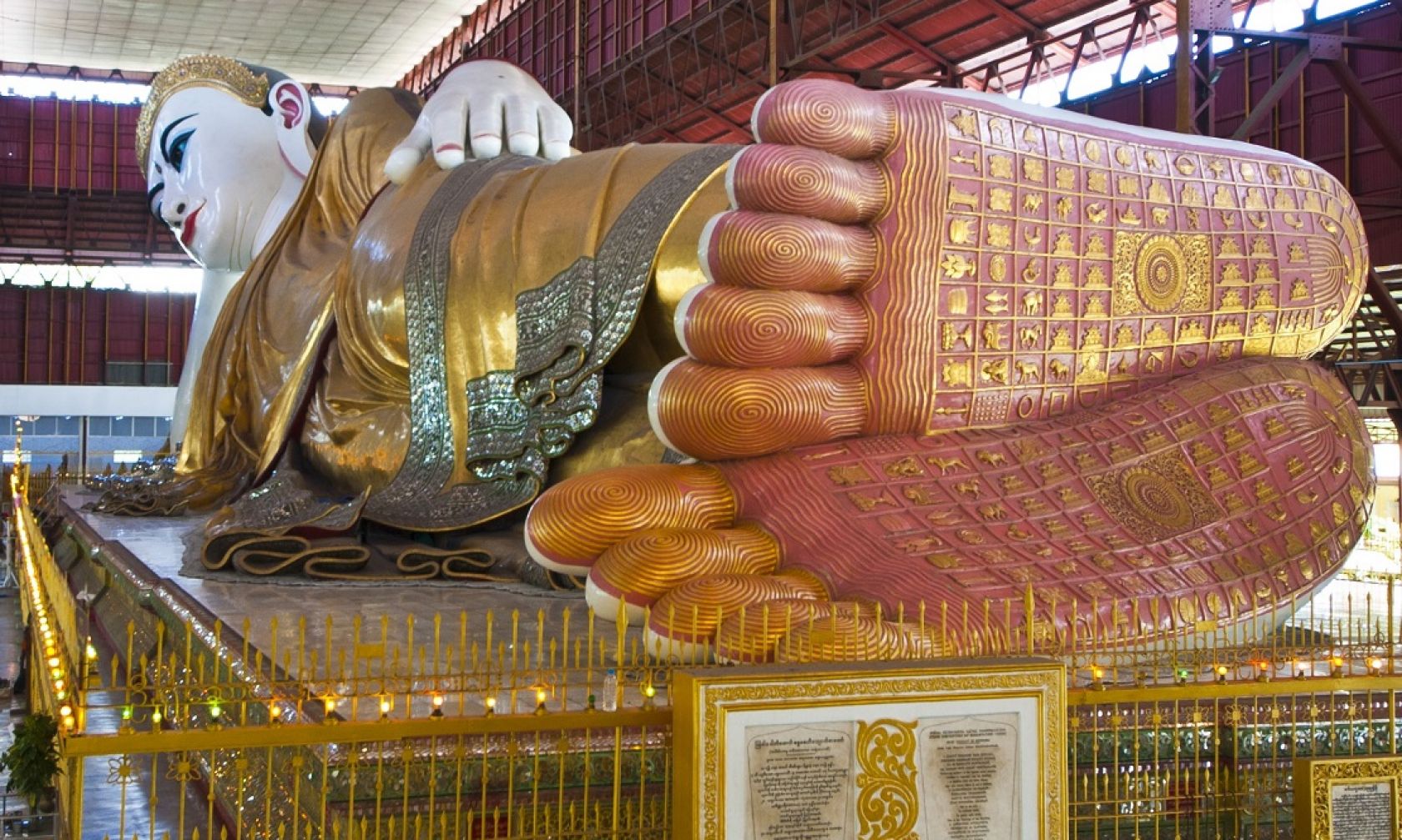
The Chauk Htat Gyi Pagoda in Yangon is known for its enormous 65 meters long Reclining Buddha image. The highly revered image is housed in a large shed North of Kandawgyi Lake. The original image was completed in 1907. When after many decades the Chauk Htat Gyi image was in a bad state of repair, a devout Buddhist decided to restore it. During renovations in 1966 about 5 meters were added to the image. The renovation was paid for entirely with donations from Buddhists and foreign tourists. The names of the contributors are inscribed on the beams of the building. The very impressive 65 meters long and 16 meters high Chauk Htat Gyi Buddha image is wearing a golden robe; the right arm of the Buddha is supporting the back of the head. The Reclining Buddha image is decorated with very expressive colors, white face, red lips, blue eye shadow, golden robe and red finger nails.
Botataung Pagoda
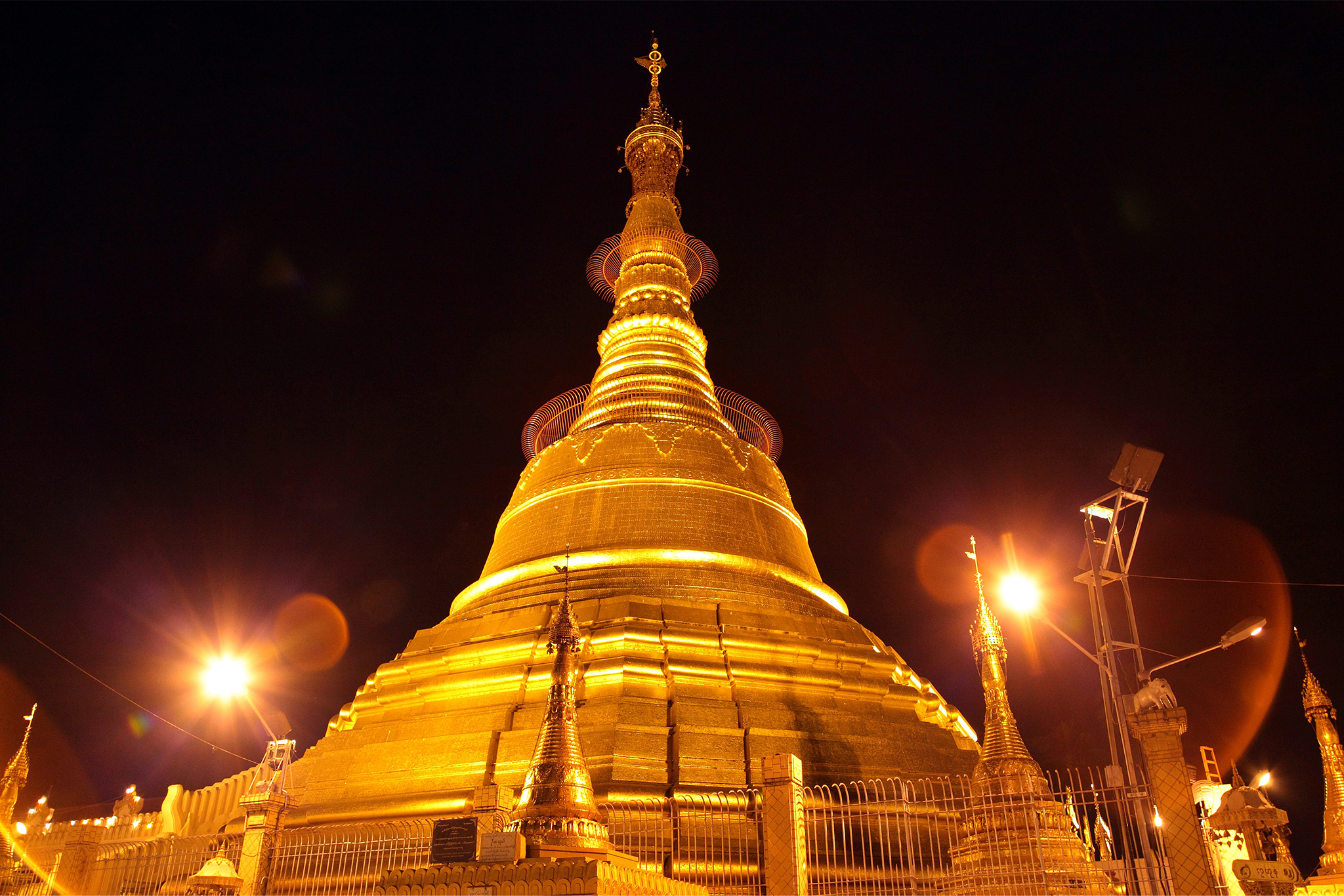
The Botataung Pagoda on the banks of the river in downtown Yangon is one of the city’s most highly revered temples. The 40 meter high golden pagoda enshrines a sacred hair relic of the Buddha. The Botataung Pagoda, also spelled Botahtaung Pagoda was built some 2,500 years ago by the Mon people. In the second World War the pagoda was destroyed during an airforce bombing mission aimed at the nearby docks. Rebuilding started in 1948 following the original design. In the center of the tiled platform stands the main stupa surrounded by a a number of smaller stupas. The main stupa is the unique feature of the Botataung monastery; it enshrines the sacred Buddha relic and it is hollow and open to the public. Seated on a high pedestal in a very ornate pavilion is the Royal Palace Bronze Buddha image.
Bogyoke Aung San Market
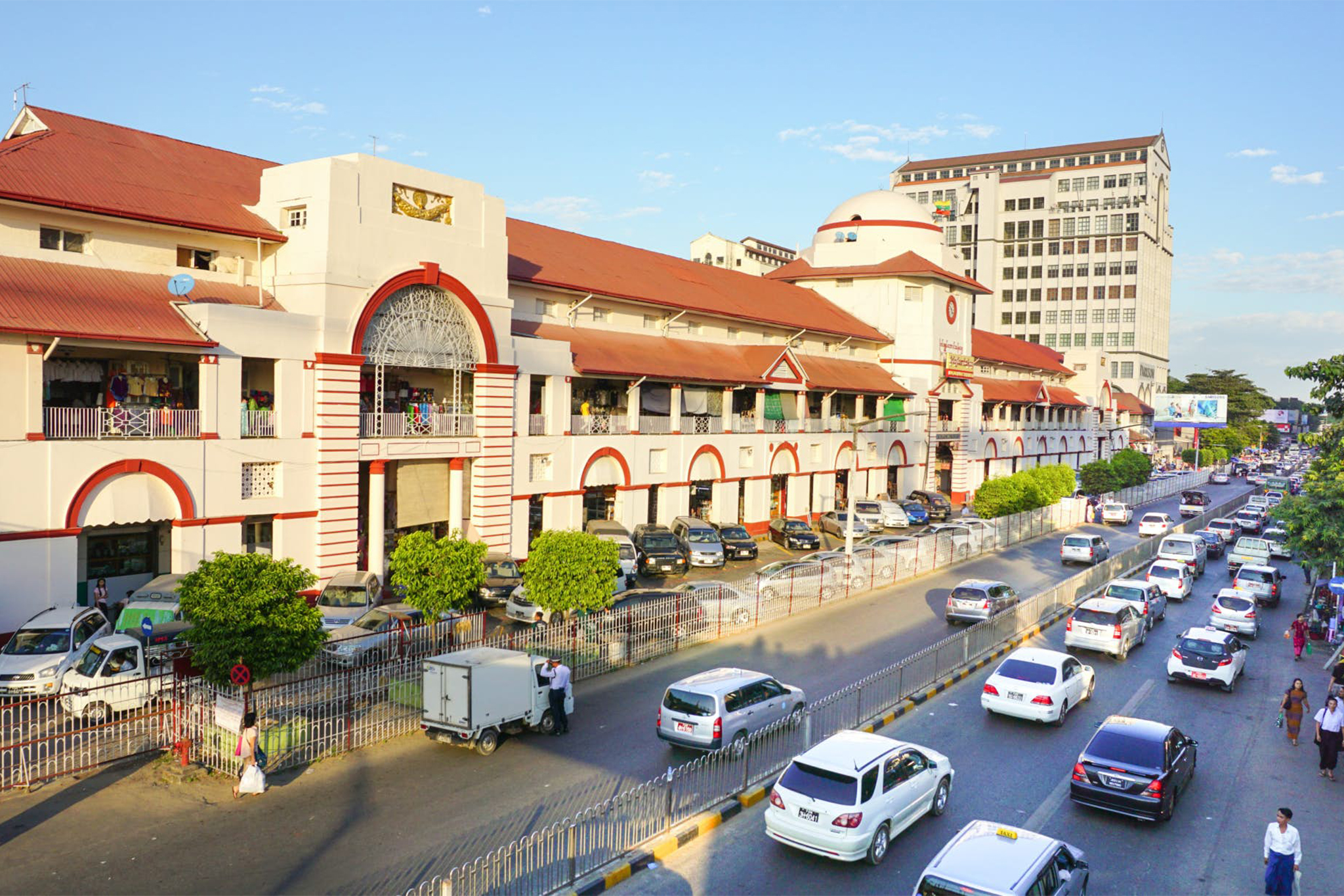
Several hours can easily be spent at this historic covered market, with over 2000 stalls selling everything from gold and diamond jewellery to tattoos. It also offers the largest selection of Myanmar handicrafts and souvenirs you’ll find in one location and is a good place to find tailors. Sometimes called by its old British name, Scott Market, this is an ideal place to pick up some nice slippers, convenient for all the on-and-off demanded by paya protocol, and a longyi (sarong-style lower garment); U Maung Maung has a good selection ranging from ones made of cotton (from K4000) to silk mix (from K9500) and best-quality silk (K30,000). Also look out for Myanmar Yanant Textile selling hand-woven and naturally dyed cotton from Meikhtila made into traditional clothes and accessories such as scarves, caps and bags
Local Specilities
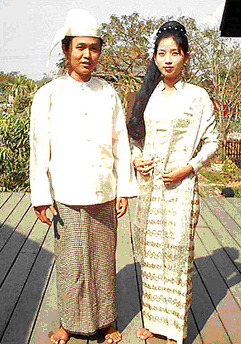
Traditional Costume
Bamar men dress in longyis, shirts without collars and traditional jackets. They also wear ready-made turbans with a wing-cloth standing to the right. Bamar women wear longyis and blouses with an opening in the front, which are buttoned either in the centre or on the side. They wear their hair in top-knots and drape lace shawls.
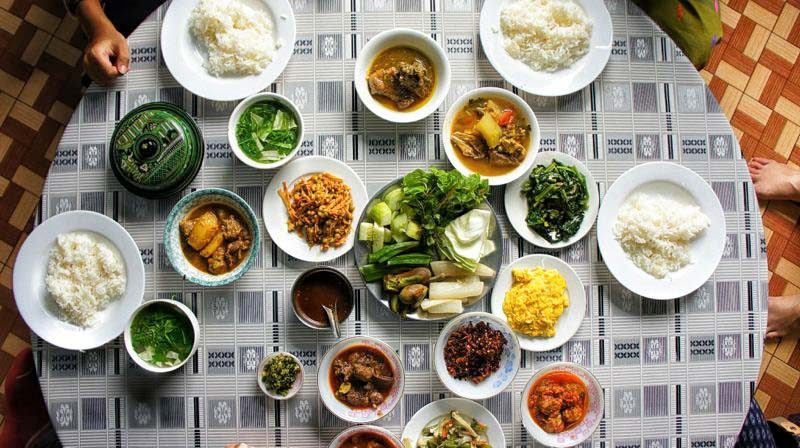
Burmese Rice
A plate of fresh vegetables, along with various condiments such as chilli powder and ground chilli peppers, are commonly eaten together with the dishes. At the end of the meal, green tea and palm sugar (jaggery) would be served.
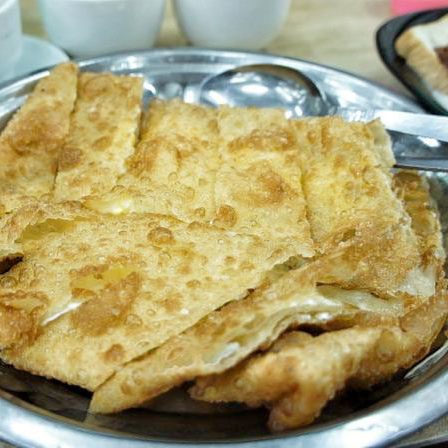
Burmese Paratha
Burmese paratha with sweet pea pyote (sweet bean paste) is a unique blend of Burmease and lndian influences. I can’t say for sure if every Burmese paratha is this crispy but the one at Lucky 7 Tea House is and they really nailed it. It is easy to appreciate anything crispy, isn’t it?
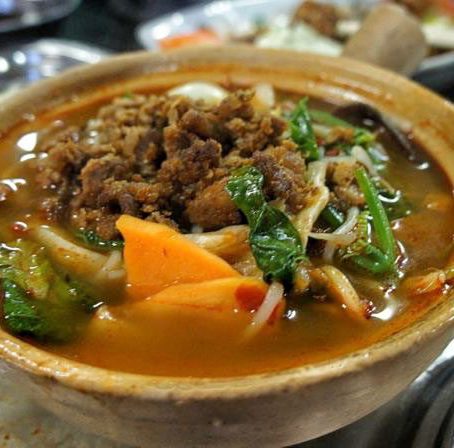
Myae Oh Myee Shae (Claypot Noodle)
Myae Oh Myee Shae (S$2.50) Essentially a claypot noodle in Myanmar, it is a popular Chinese-inspired dish that can be found along the streets of Chinatown. The noodle is served in a bubbling savoury broth topped with slices of soft-braised pork belly or shreds of beef, and three different types of vegetables for good measure.