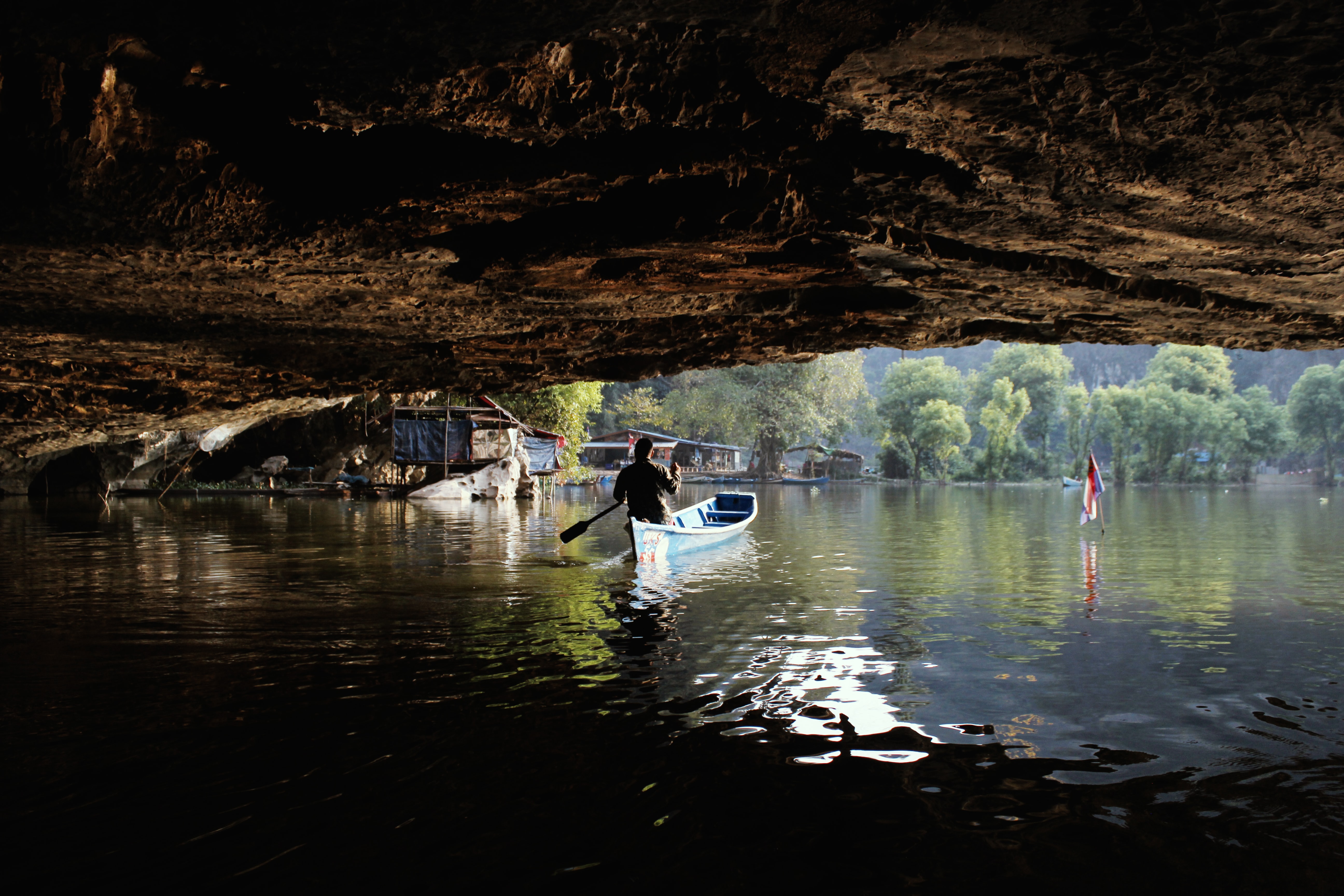
The People
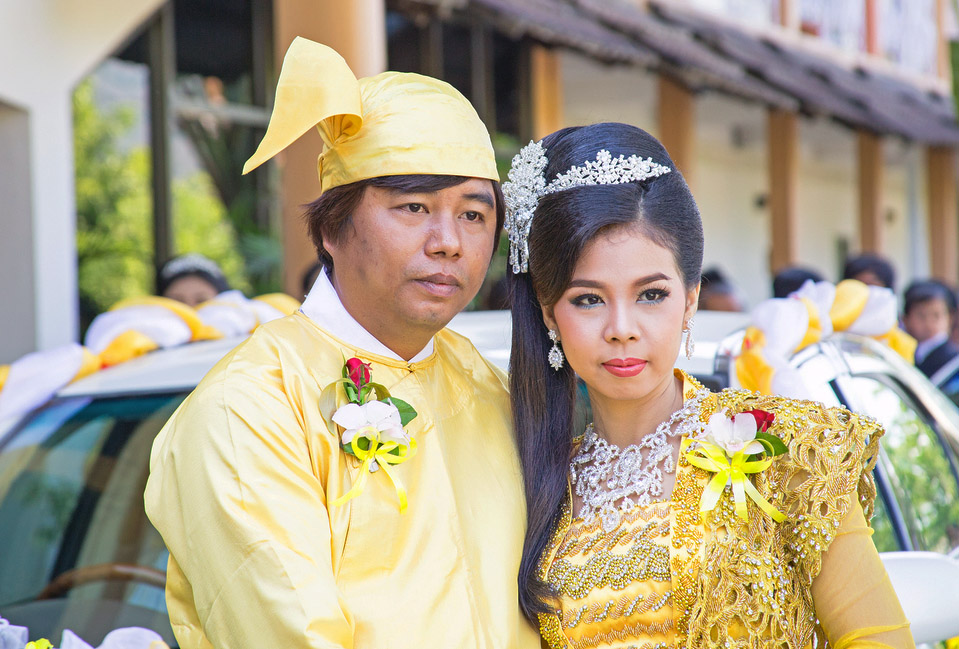
Myanmar’s majority group (around 40 million people, or two-thirds of the population), the Bamar have traditionally held sway over much of the country, particularly the fertile central plains and Ayeyarwady valley. Originally migrants from the southern China, the Bamar (or “Burmans”, as they were known in colonial times) were a wet-rice farming people, Theravada Buddhist by religion, whose tonal, Tibeto-Burman tongue – Burmese – has long been the national language.
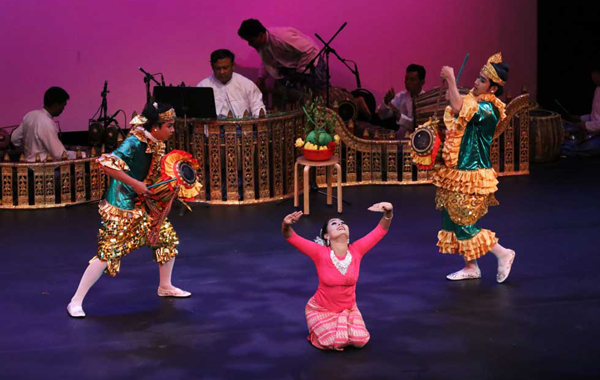
All-night performances, which combine melodrama, slapstick, traditional dance, and even pop music are called "zat pwe" in Burma. These seasonal events are staged in enclosed temporary bamboo theaters and are typically part of annual fund raising activities at pagoda festivals. The performers are traveling troupes, usually several dozen professional male and female dancers, musicians, comedians, and actors. These troupes travel widely throughout the country.
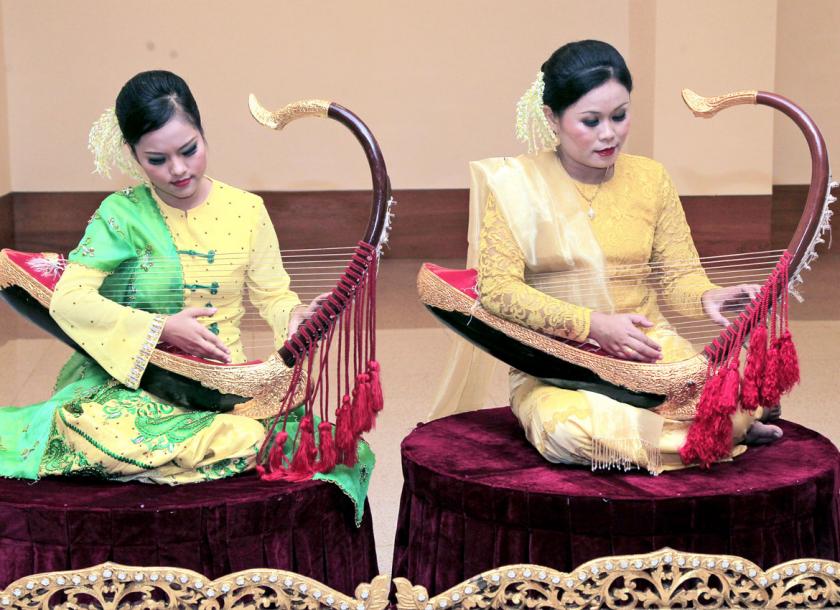
Traditional music from Burma is melodious, generally without harmony, and usually in 4/4 time (na-yi-se) or 2/4 (wa-let-se) or 8/16 (wa-let-a-myan). There are "the segments combined into patterns, combined into verses, combined into songs [that] make Burmese music a multileveled hierarchical system...The Burmese musician manipulates the various levels of the hierarchy to create the song..."
TANINTHARYI
Tanintharyi Region is an administrative region of Myanmar, covering the long narrow southern part of the country on the Kra Isthmus. It borders the Andaman Sea to the west and the Tenasserim Hills, beyond which lie Thailand, to the east. To the north is the Mon State.There are many islands off the coast, the large Mergui Archipelago in the southern and central coastal areas and the smaller Moscos Islands off the northern shores. The capital of the division is Dawei (Tavoy). Other important cities include Myeik (Mergui) and Kawthaung. The division covers an area of 43,344.9 km², and had a population of 1,406,434 at the 2014 Census.

The plentiful natural resources from this region, mostly the jewels, are very popular not only in Myanmar but also around the world.
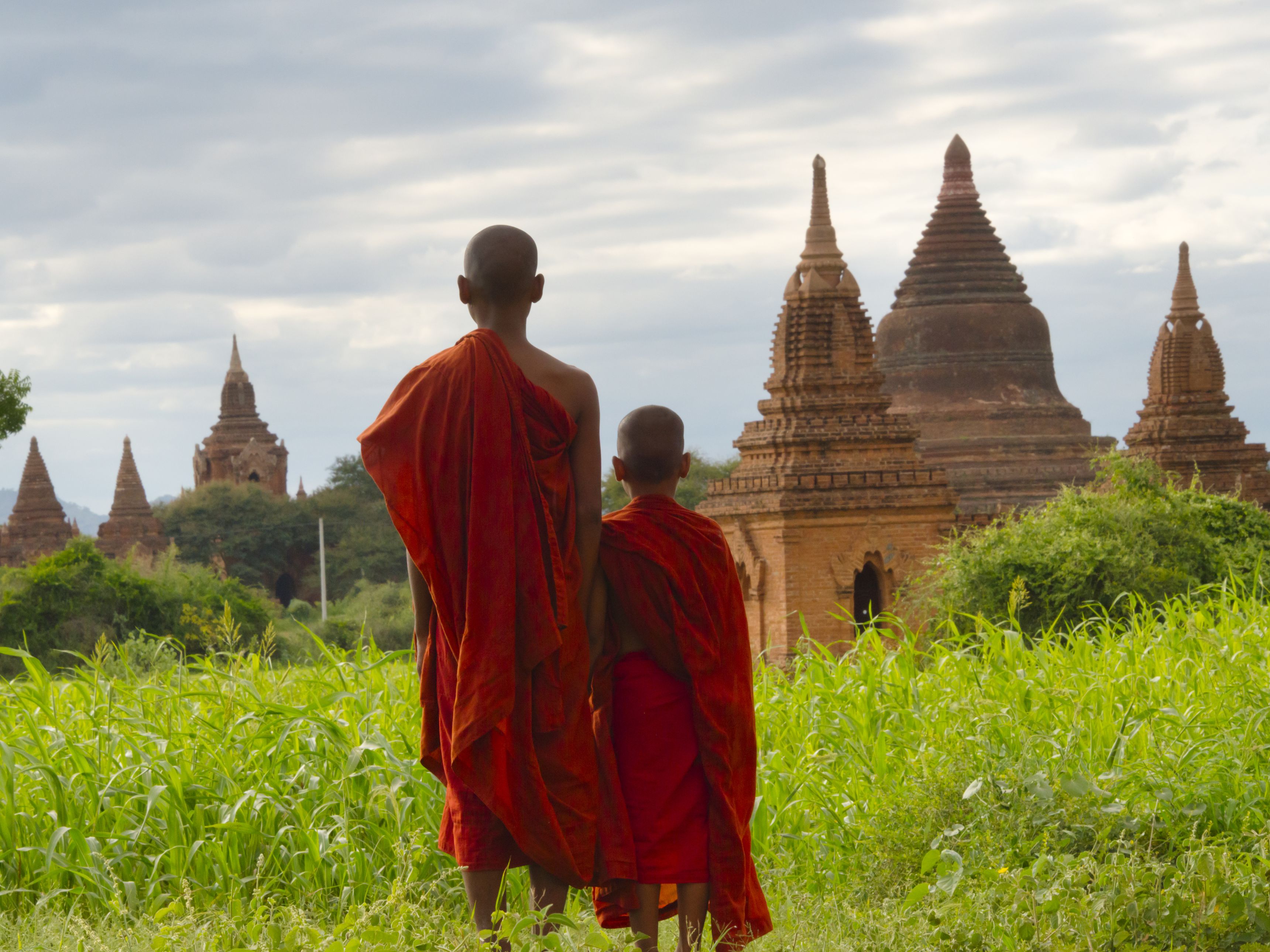
The majority in Tanintharyi region follow Theravada Buddhism.
The majority in Tanintharyi, Bamar people speak Burmese, a Sino-Tibetan language.
Maungmagan Beach
12 kilometres west of Dawei is Maungmagan beach (also spelt Maung Ma Kan), with its beautiful setting of hills rising straight up from the shoreline. There are a host of simple restaurants serving fresh seafood here and a 30 minute walk south will take you to a characterful fishing village with small boats nestled in its harbour – and some picture-perfect beer stations where you can relax and take in the views and sea breeze. Maungmagan is quite unlike the more tourist-focused beaches you will find on the Bay of Bengal coast. Here, most people are local and bathing practices are somewhat different – you may find the people wading in their jeans and shirts, particularly on public holidays; foreigners in swimwear are not frowned upon, although they may get some friendly attention. One unfortunate side-effect of the lack of tourism development is that refuse is not always cleared; this is not unsafe, but can sometimes be a little unsightly.
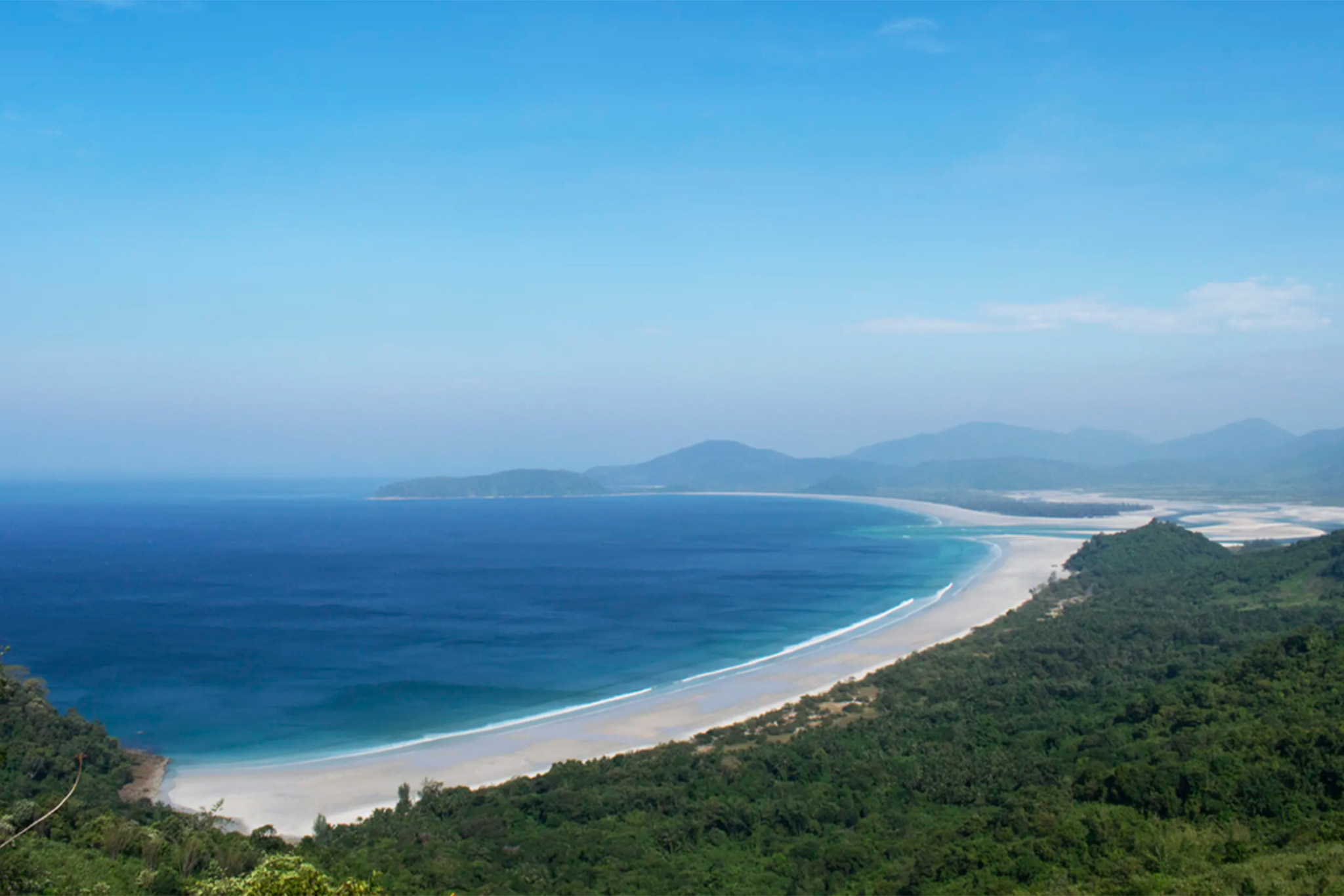
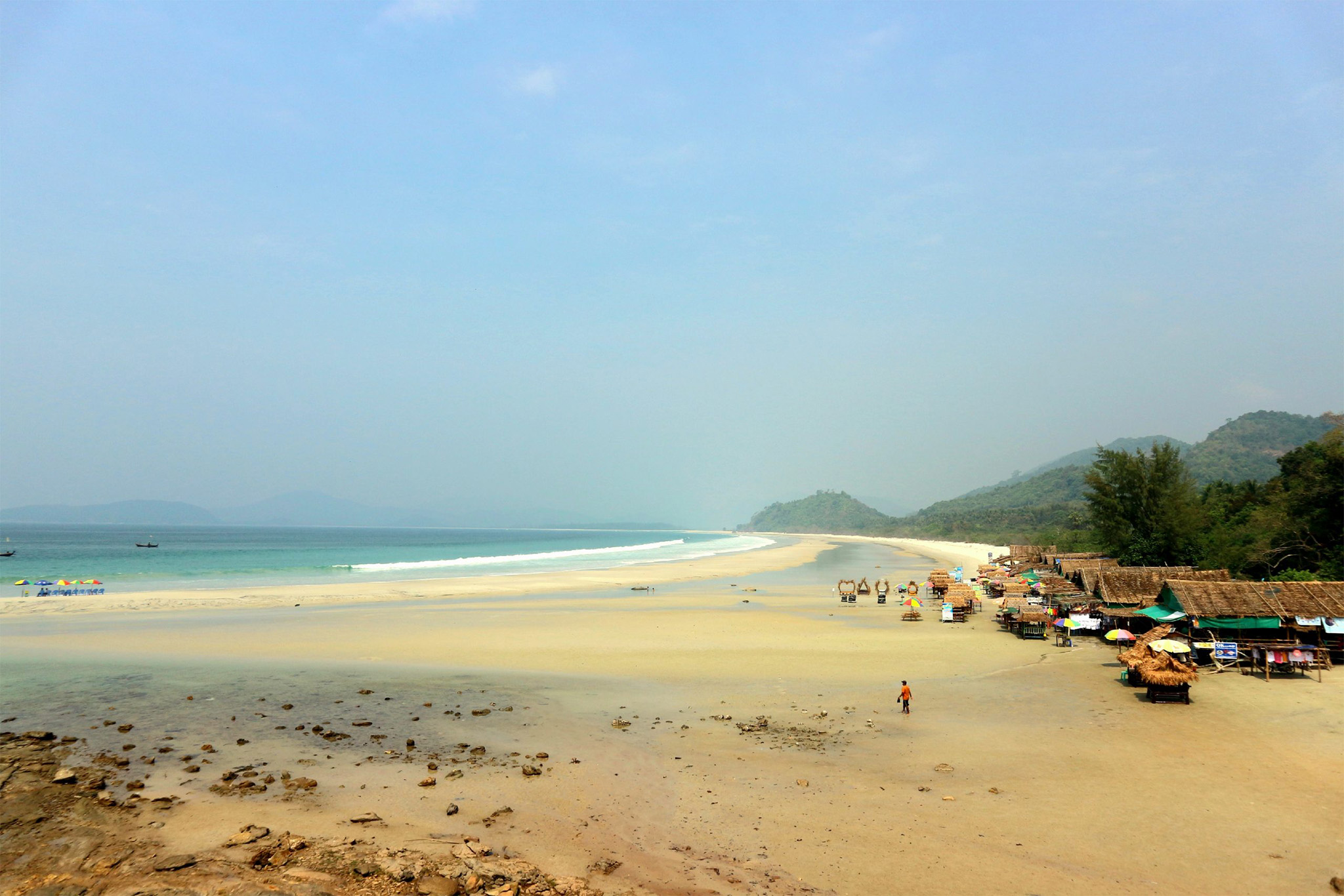
Pho Pho Kyauk Beach / Grandfather Beach
It is a beach that takes 2.5 hours by bike, 2 hours by car from Dawei, but it is worth going. Very big beach, few people, clean beach. Also, the waves are also calm so it is very easy to swim. You can run in the beach by bike, but the car is dangerous because it may be stacked on the sandy beach. While running on a motorcycle, one car was stuck. It took about 2-3 hours to escape.
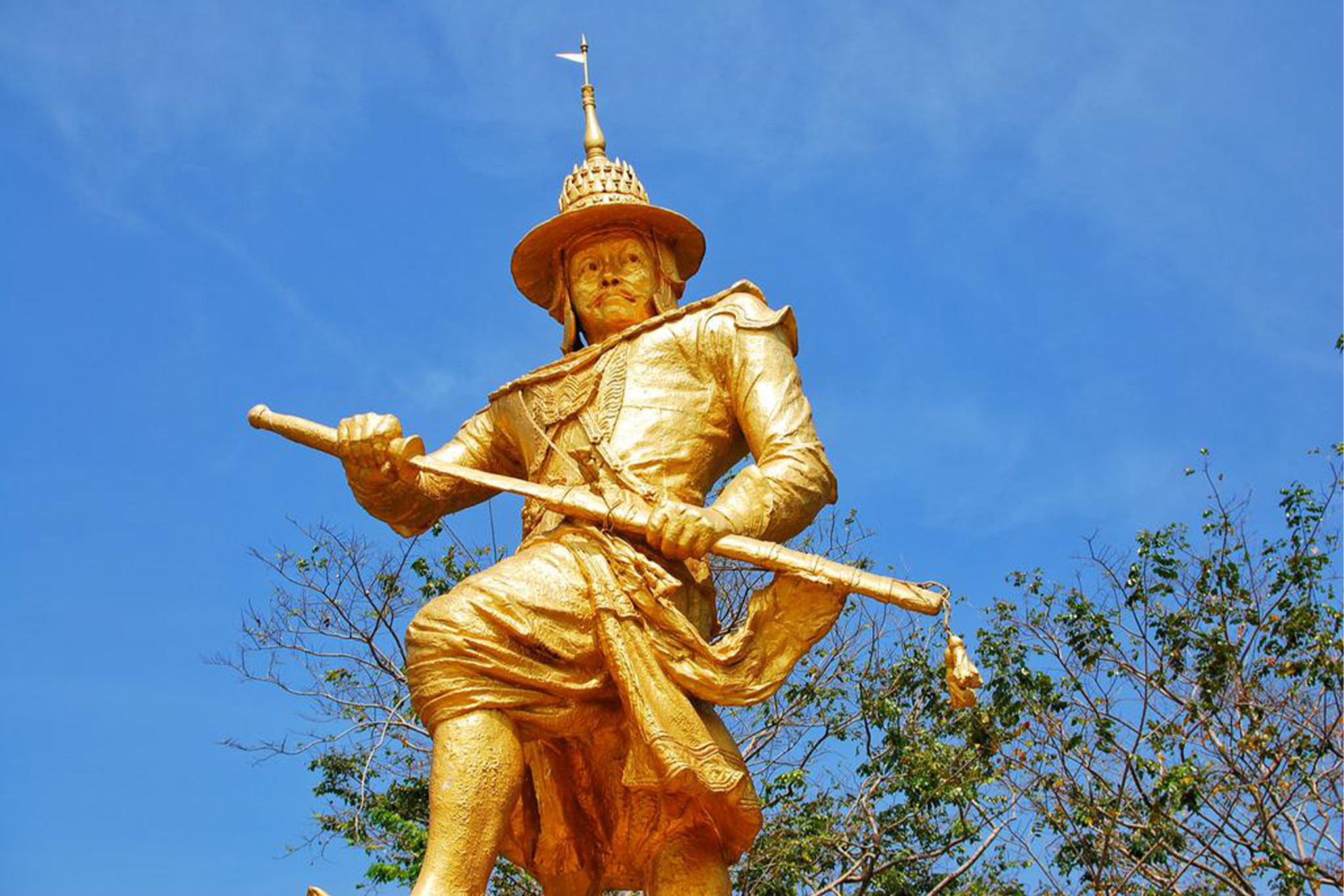
Statue of King Bayinnaung
In the absence of war, ancient Thai-Burmese conflicts are relived and revived through statue-building. The King Bayinnaung statue glowers down malevolently on the Thai border town of Mai Sai from higher ground in Tachilek, Burma just across from the river that marks the frontier. His bronze likeness also stands atop a hill at Burma’s southernmost Victoria Point, surveying Thailand’s Ranong Province across the estuary. The long-dead monarch is revered in Burma as a great warrior-king who conquered Siam. Thais, however, remember Bayinnaung as a brutal foreign invader who, on capturing Ayudhaya in 1569, looted the Siamese capital of its treasure, white elephants and many thousands of slaves. The provocative Burmese monument to the conquest of Siam is not a relic from a period of heightened tensions between the two countries.
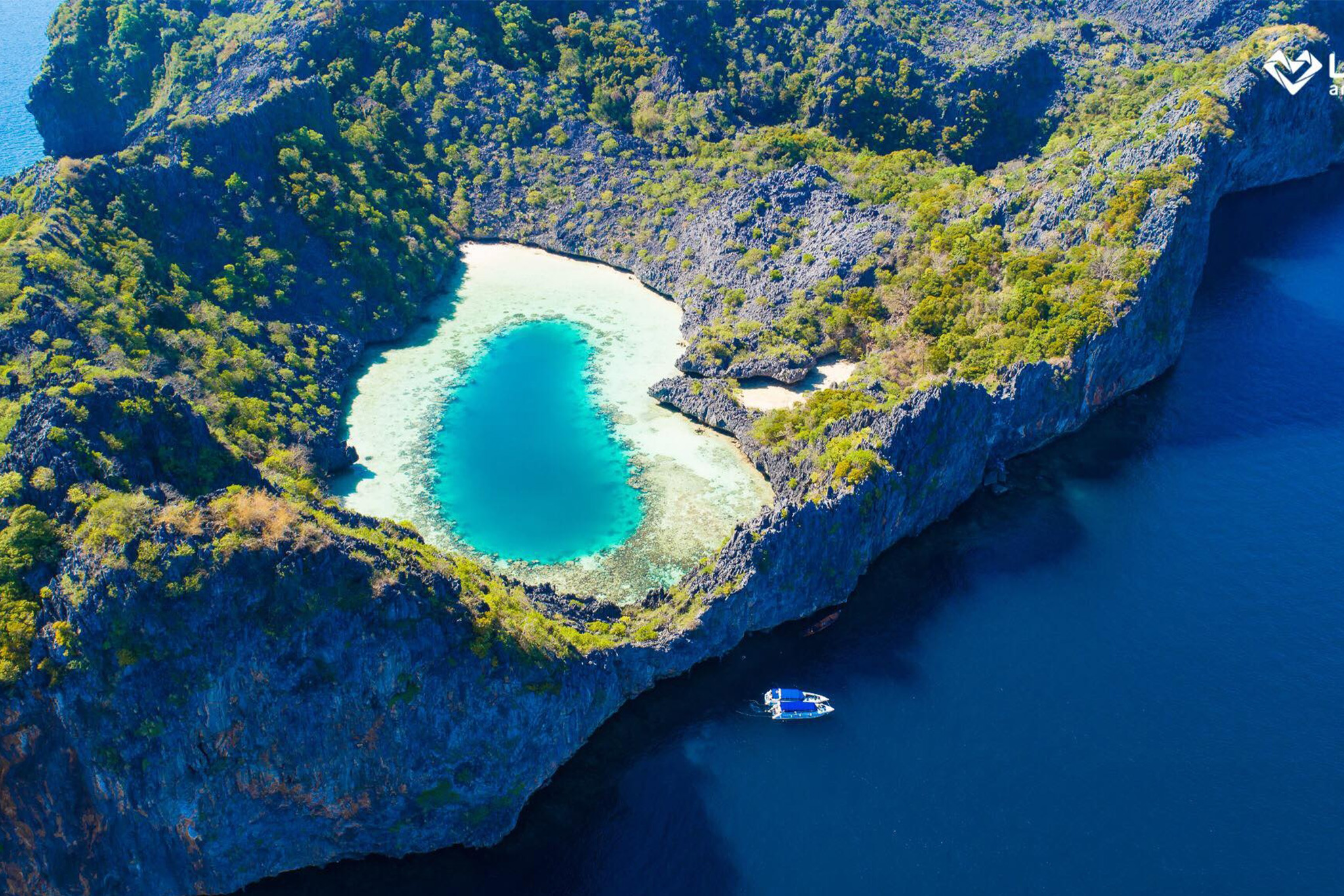
Nyaung Oo Phee Island
Nyaung Oo Pee Island is the one of 804 excellent Islands of Mergui Archipelago, in Tanintharyi Region, southern Myanmar. Nyaung Oo Phee island is situated in the Andaman Sea. It is one of the newest virgin islands of the world. The Island is secured by the virgin safari, and around of the Island is encompassed by the specific virgin white sandy shoreline (Real white and filled). Next from the shoreline into the ocean, move toward a field of the Coral. Coral reef is another whole world to explore under the water. A single place to see various kinds of beautiful colorful corals is a wonder you will remember for life.
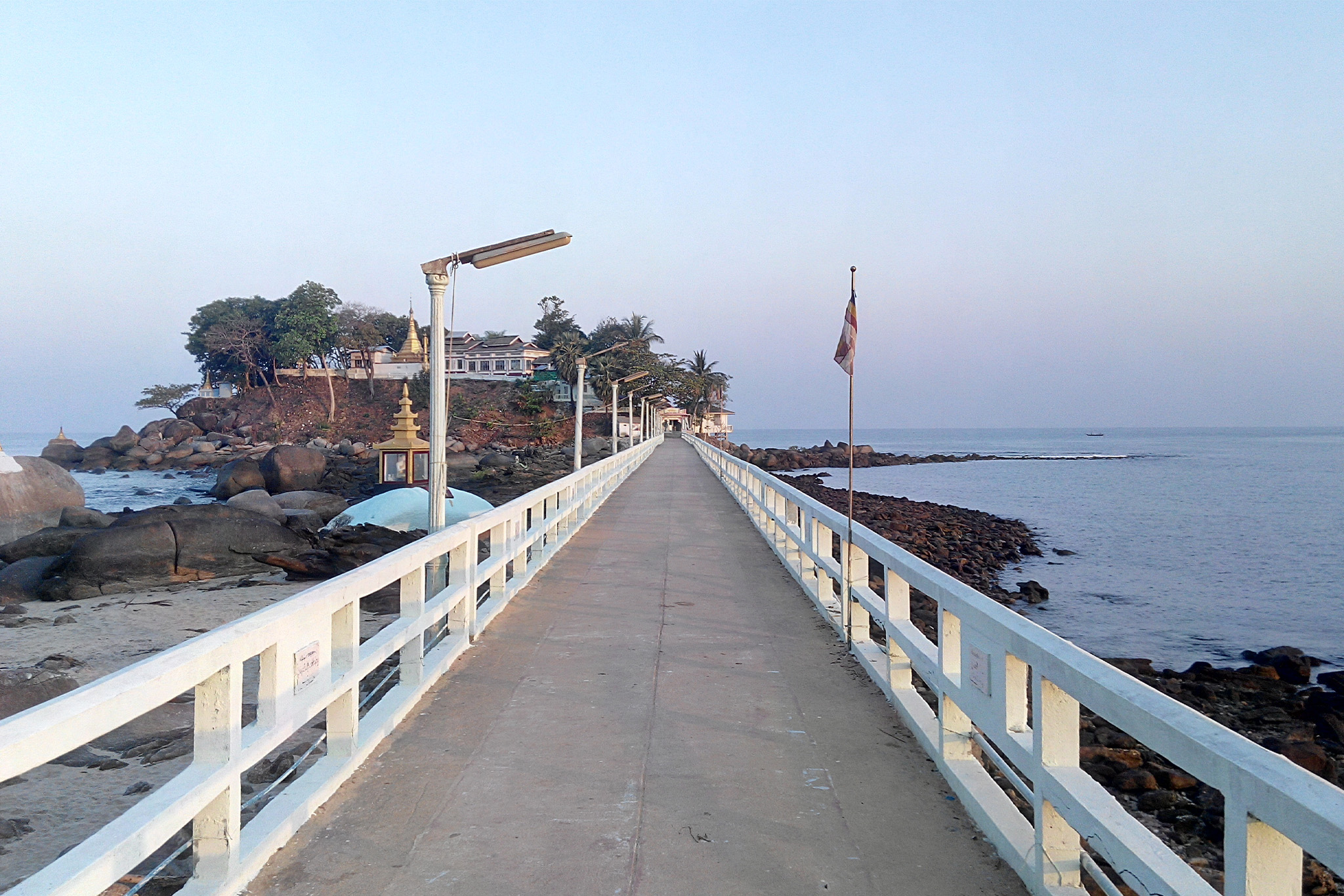
Myaw Yit Pagoda
Myaw Yit Pagoda is a rather unusual pagoda in Dawei as it sits on a small scenic island which is located to the south of Maungmagan Beach. Getting to the pagoda is half the fun as you will need to walk along a small path that takes you to a rickety wooden bridge that stretches to the island. In addition to the pagoda you will also find a boardwalk that wraps around the island that is the perfect place to go for a stroll if you want to take in the spectacular sunsets.
Local Specilities
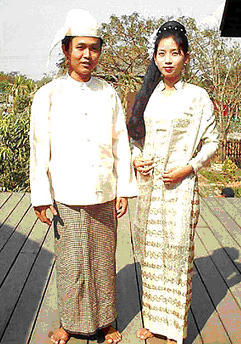
Traditional Costume
Bamar men dress in longyis, shirts without collars and traditional jackets. They also wear ready-made turbans with a wing-cloth standing to the right. Bamar women wear longyis and blouses with an opening in the front, which are buttoned either in the centre or on the side. They wear their hair in top-knots and drape lace shawls.
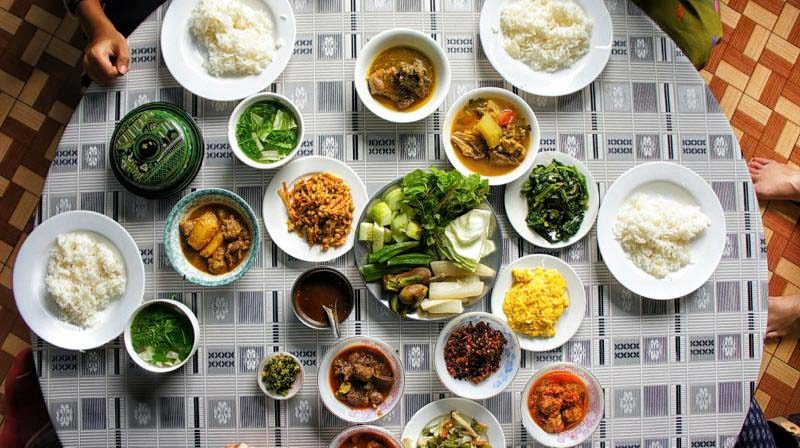
Burmese Rice
A plate of fresh vegetables, along with various condiments such as chilli powder and ground chilli peppers, are commonly eaten together with the dishes. At the end of the meal, green tea and palm sugar (jaggery) would be served.
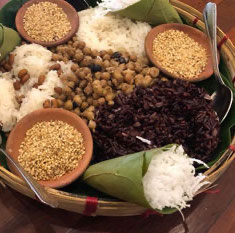
Sticky Rice (Kautnyin Paung) with grilled dried fish or peas
This is traditional breakfast in all over the country and it is one of the dish always can be easily bought in markets and tea shops. It is steamed sticky rice brown or white, served with pea & shredded coconut. We can eat with dried fish and also with deep fried tempura.
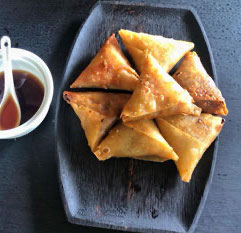
Samosa Salad
This salad is with Samosa, form of triangle preserved with patotaes, onions and indian spice masala. It's served with chopped samosa and yellow split pea fritters,mixed with shredded white cabbage,sliced tomato, shallot and boiled potato. And pour chickpea flour soup on it and add tamarind liquid, mint leaves and chilli powder.